

Protect Your Home: Water Quality in SW Florida
Water Quality, Hard Water, Southwest Florida, Plumbing Issues, Water Filtration, Water Testing
Water Quality in Southwest Florida: How to Protect Your Home and Plumbing
Do your “clean” dishes still come out of the dishwasher spotty, your shower glass always looks cloudy, and your tap water sometimes tastes a little off? If you live in Southwest Florida, that’s not just in your head—it’s your home reacting to our region’s challenging water conditions. From stubborn mineral buildup to worries about algae blooms and drought, water quality directly affects your family’s comfort, your plumbing, and your appliances. The good news: with the right information, testing, and treatment, you can take control of the water your family uses every day instead of letting it quietly damage your home.
Why Water Quality Is a Big Deal in Southwest Florida
Southwest Florida has some unique water challenges. Our region is currently dealing with one of the worst droughts in decades, with much of the area under extreme drought conditions. When water levels drop, minerals and contaminants can become more concentrated, putting extra pressure on treatment systems and private wells (drought.gov).
On top of that, Southwest Florida regularly grapples with toxic blue-green algae in the Caloosahatchee River and recurring red tide events along the Gulf coast. These are mostly surface water issues, but they raise understandable concerns about what’s coming out of your tap, especially if you rely on a private well or live near rivers, canals, or areas with known pollution problems. If you’re unsure about your water, call today to schedule a professional water testing appointment and get clear answers about your home’s water quality.
💡 Friendly Reminder: Even if your water looks clear, regional drought, algae, and runoff can still affect its taste, hardness, and safety. Testing is the only way to know what’s really in it.
Hard Water: The Everyday Issue You Can See and Feel
One of the most common water quality issues in Southwest Florida is hard water. Our water often flows through natural limestone aquifers, which load it up with calcium and magnesium minerals . These minerals aren’t usually a direct health concern, but they can be a headache for your home and plumbing.
Spots and film on dishes, glass shower doors, and faucets that never seem to come clean
Dry skin and dull hair after showers, even when you use quality products
Soap that won’t lather and laundry that feels stiff instead of soft
These are classic signs of hard water—and they’re also early warning signs that your plumbing and appliances are taking a beating behind the scenes.
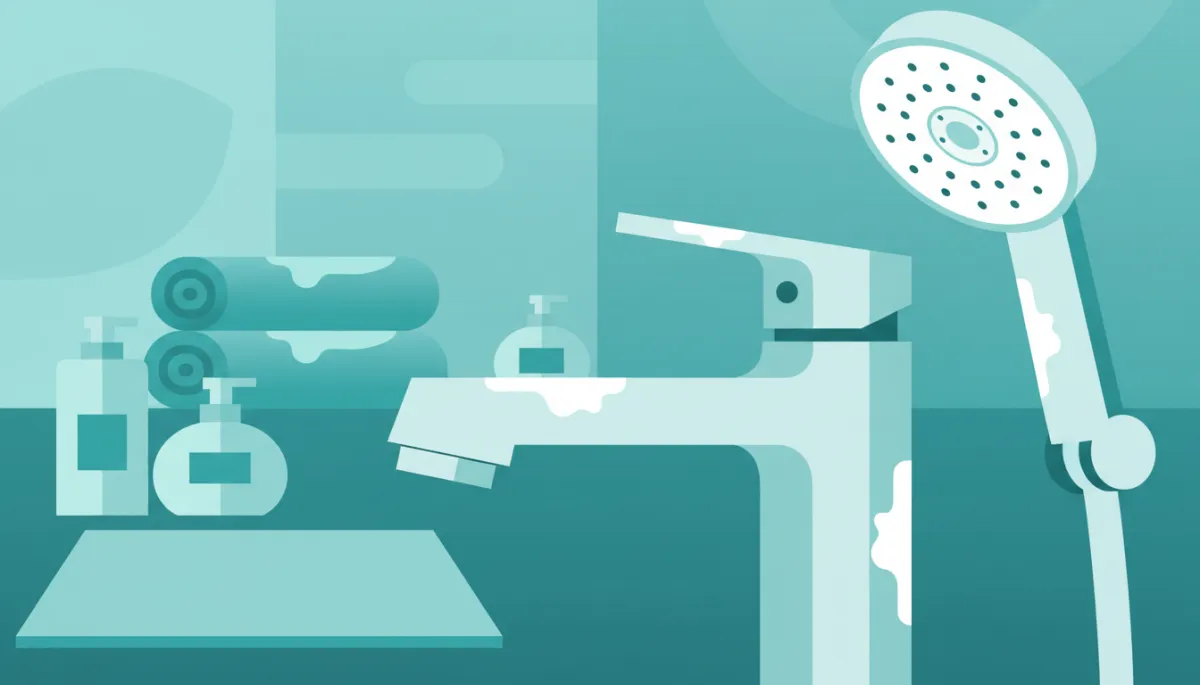
Visible scale on fixtures is a clear sign minerals are also building up inside your pipes.
How Hard Water Damages Your Plumbing and Appliances
Hard water doesn’t just leave spots—it leaves scale, a rock-like mineral buildup, inside pipes, water heaters, and fixtures. Over time, this can cause several plumbing issues:
Reduced water flow: Mineral deposits narrow your pipes, so showers and faucets lose pressure even when there’s no leak.
Struggling water heaters: Scale coats heating elements, forcing your water heater to work harder and use more energy, and often shortening its life.
Frequent repairs: Valves, cartridges, and small parts inside faucets and toilets can clog or wear out faster when minerals are constantly flowing through them.
Over the years, these issues add up to higher utility bills, more service calls, and early replacement of expensive appliances. That’s why many Southwest Florida homeowners choose to address hard water proactively with water softeners and whole-home water filtration.
Warning Signs Your Home Has a Water Quality Problem
Some water problems are easy to spot; others are more subtle. Here are common warning signs Southwest Florida residents should watch for:
Unusual taste or odor – metallic, earthy, swampy, or “rotten egg” smells can point to minerals, bacteria, or sulfur compounds.
Discolored water – brown, yellow, or cloudy water may indicate rust, sediment, or other contaminants in your plumbing or supply.
Rust stains and blue-green streaks – orange rust around drains or bluish stains can signal corrosive water reacting with your pipes.
Frequent pinhole leaks or fixture failures – repeated small leaks, failing water heaters, or constantly clogged aerators may be tied to water chemistry, not just “old plumbing.”
📌 Key Takeaway: If you’re noticing stains, odors, or repeated plumbing issues, it’s time to stop guessing and schedule professional water testing.
Water Testing: The First Step to Better Water at Home
Every great water solution starts with a simple question: What’s actually in my water? In Southwest Florida, that answer can vary a lot from neighborhood to neighborhood, and even from one home to the next—especially for private wells. That’s why water testing is so important.
Certified labs and local professionals can test for:
Bacteria such as total coliform and E. coli, which can indicate contamination from septic systems or surface runoff.
Nitrates from fertilizers or nearby agriculture—especially important for families with infants.
Metals and minerals like lead, iron, manganese, calcium, and magnesium (which affect hardness and plumbing wear).
pH and corrosivity, which influence whether your water will slowly eat away at pipes or leave scale behind.
For private wells, health agencies recommend testing at least once a year for bacteria and nitrates, and doing a more comprehensive panel every few years or after major events like flooding or construction nearby.

Professional lab testing gives you clear numbers so treatment can be tailored to your home.
Smart Solutions: From Water Softeners to Reverse Osmosis and UV
Once you know what you’re dealing with, you can choose the right water filtration and treatment solutions. Here are the most common options Southwest Florida homeowners use to tackle hard water and other water quality issues:
Water Softeners: Your Defense Against Hard Water
A traditional water softener uses a special resin to swap hardness minerals (calcium and magnesium) for sodium or potassium. The result is noticeably “silkier” water that:
Helps protect your pipes, water heater, and fixtures from scale buildup
Makes soap and shampoo lather better, so you use less and feel cleaner
Reduces spots and film on dishes, glass, and shower doors
Whole-Home Filtration: Cleaner Water at Every Tap
Whole-house water filtration systems are designed to filter all the water entering your home. Depending on your test results, they can reduce sediment, chlorine, certain chemicals, and unpleasant tastes and odors. In a region facing algae blooms and drought-related changes, this extra layer of protection can bring real peace of mind.
Reverse Osmosis: High-Quality Drinking and Cooking Water
For the water you actually drink and cook with, reverse osmosis (RO) is one of the most effective options available. Typically installed under the kitchen sink, an RO system pushes water through a semi-permeable membrane, removing many dissolved solids and contaminants that standard filters miss. It’s a popular choice for homeowners who want bottled-water quality straight from the tap, without the plastic waste or constant store runs.
UV Purification: Extra Protection Against Microorganisms
If your water tests show bacterial concerns—or if you simply want added protection—a UV purification system can be a great partner to filtration. These systems use ultraviolet light to inactivate bacteria, viruses, and other microorganisms without adding any chemicals. They’re especially valuable for private wells or homes in areas with known contamination or heavy runoff.
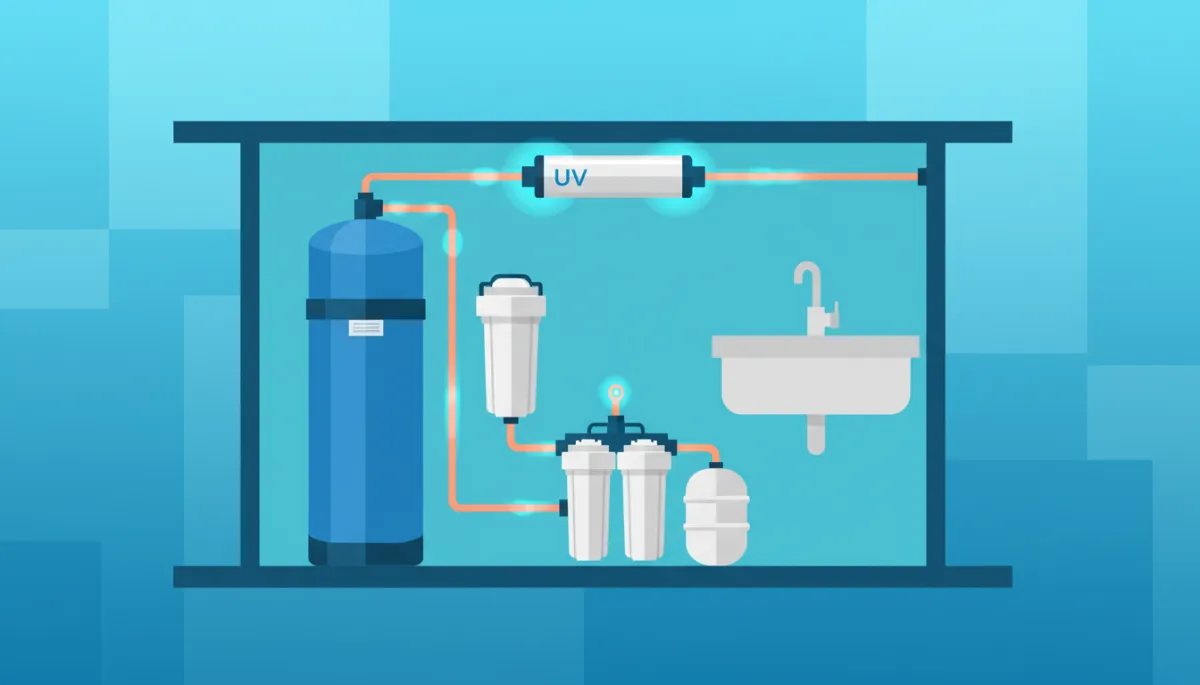
Layering softening, filtration, RO, and UV creates a customized defense for your home’s water.
Why Professional Help Matters in Southwest Florida
DIY filters from the hardware store can help with basic taste and odor issues, but they’re rarely enough for the complex water conditions we face in Southwest Florida. A local water professional or licensed plumber who understands our region’s hard water, drought impacts, algae concerns, and infrastructure quirks can:
Recommend the right water testing panels for your situation—city water vs. private well, coastal vs. inland, new build vs. older home.
Interpret lab results clearly, so you know which numbers truly matter and what to do about them.
Design a treatment system—softener, filtration, RO, UV—that fits both your water and your budget, without over- or under-treating.
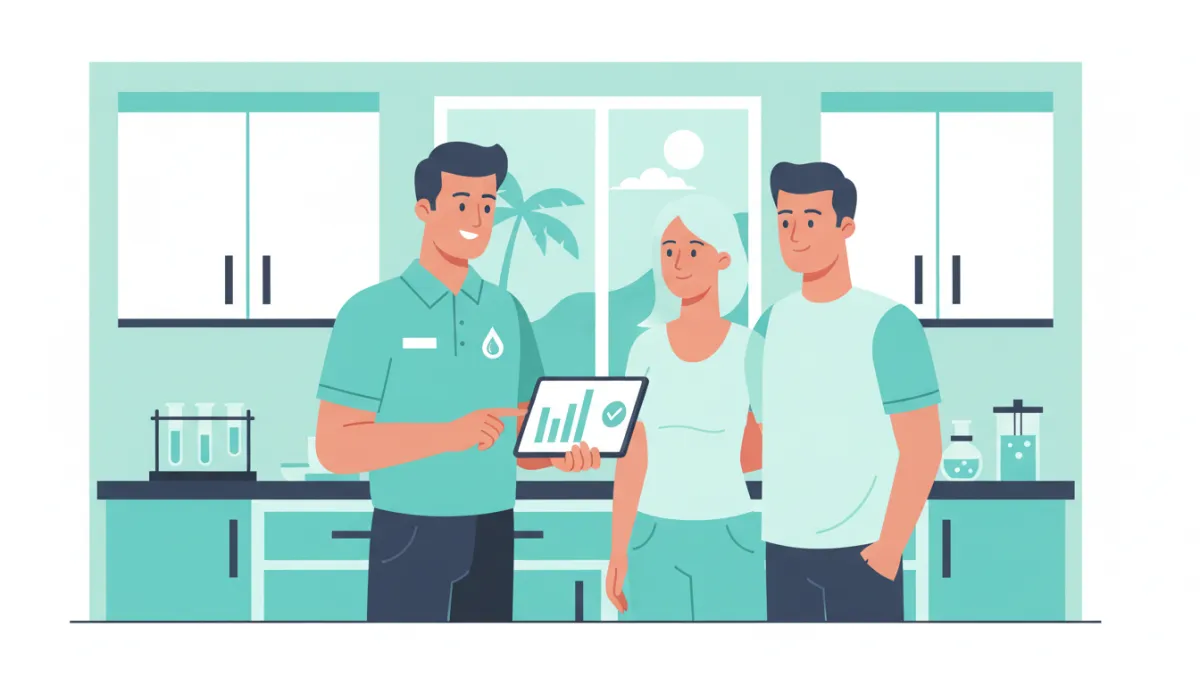
Local experts understand regional water challenges and can tailor solutions to your home.
Taking Control of Your Home’s Water Quality
Living in Southwest Florida means enjoying sunshine, beaches, and beautiful waterways—but it also means staying aware of what’s happening with your water quality. Between hard water, drought, algae blooms, and potential contamination, waiting and hoping isn’t a great strategy. Fortunately, you have more control than you might think.
Start with professional water testing so you know exactly what’s in your water.
Work with a trusted local pro to address hard water, plumbing issues, and any health-related concerns.
Consider a layered approach—softening, whole-home filtration, reverse osmosis for drinking water, and UV purification when bacteria are a concern.
With a little guidance and the right equipment, you can protect your plumbing, extend the life of your appliances, and enjoy cleaner, better-tasting water every day. In a region facing real water challenges, taking charge of your home’s water quality is one of the simplest, most powerful steps you can take for your family’s comfort and peace of mind.
Frequently Asked Questions About Water Quality in Southwest Florida
Is my tap water safe to drink during algae blooms or drought?
City water in Southwest Florida is treated and monitored, but extreme drought and algae events can still affect taste, odor, and mineral levels. If you’re on a private well, you don’t have that same level of oversight, so testing is especially important. When in doubt, call to schedule a professional water test so you can see exactly what’s in your water and decide whether additional filtration or treatment is needed.
How often should I test my water?
If you use a private well, health agencies recommend testing at least once a year for bacteria and nitrates, and doing a more complete panel every few years or after major storms, flooding, or nearby construction. If you’re on city water, consider testing when you notice changes in taste, color, or odor—or any time you install new plumbing or filtration equipment.
Will a basic pitcher filter fix hard water problems?
Pitcher and faucet-mounted filters can improve taste and reduce some contaminants, but they don’t soften water or protect your plumbing. To actually reduce hardness and scale, you’ll need a water softener or a professionally designed treatment system that targets the specific minerals in your home’s water.
Do I need both a water softener and reverse osmosis?
Many Southwest Florida homeowners use a softener to protect plumbing and appliances, and a reverse osmosis system at the kitchen sink for drinking and cooking water. The softener handles hardness throughout the house, while RO provides high-quality water at the tap where you need it most.
Who should I call if I’m worried about my water?
If you’re seeing stains, smelling odors, or just feeling unsure about what’s coming out of your tap, reach out to a local water quality professional or licensed plumber who understands Southwest Florida’s conditions. They can test your water, explain the results in plain language, and recommend a treatment plan that fits your home and budget. .


Facebook
Instagram