Why Water Heaters Last 6 Years in SW Florida
Home Maintenance, Southwest Florida Water Heaters
Why Water Heaters in Southwest Florida Only Last About 6 Years
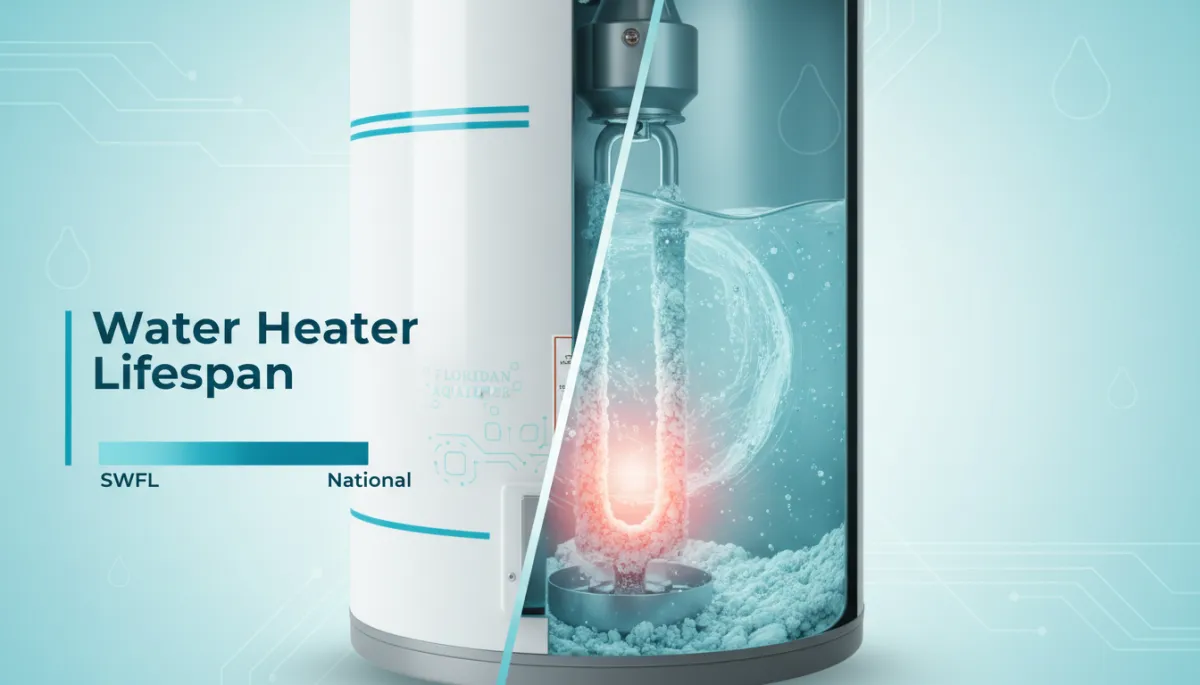
If you live in Southwest Florida and feel like you are replacing your water heater way more often than your friends up north, you are not imagining things. While national averages say a tank water heater should last 8–12 years, many Southwest Florida homeowners are shocked when their units give out around year six. Let’s unpack why the average water heater life here is so much shorter, and what you can do to fight back against our area’s unique water conditions.
The Real Average Lifespan of a Water Heater in Southwest Florida
Across the country, most sources agree that a traditional tank water heater should last 8–12 years, and tankless models can reach 15–20 years with good care (Family Handyman, Bob Vila). But in Southwest Florida, plumbers and homeowners often tell a very different story: water heaters failing in 5–7 years, sometimes even sooner if they have never been flushed or serviced.
For many homes on city water or private wells tapping into the Floridan Aquifer, a realistic Water Heater Lifespan is closer to about 6 years. That does not mean every unit will die right at six years, but it is a fair local “average” if the heater is exposed to hard water, heavy mineral content, and minimal maintenance. Understanding this gap between the brochure promise and real-world experience is the first step to planning (and budgeting) wisely.
Why National Lifespan Statistics Don’t Match Local Experiences
So where does the disconnect come from? National statistics are based on a mix of regions with very different water qualities. Many of those areas have relatively soft water, or homeowners who routinely maintain their heaters. Southwest Florida is different for three key reasons:
Our water is often very hard, loaded with calcium and magnesium from the limestone-based Floridan Aquifer.
Many homes lack whole-house softeners or filters, so heaters take the full brunt of that hardness.
Regular water heater maintenance—like flushing the tank—is often skipped, allowing damage to build up year after year.
In other words, those national 10–15 year expectations assume kinder conditions than what most Southwest Florida Water Heaters face daily. When you combine very hard water with little maintenance, it is no surprise that the Average Water Heater Life here is shorter than the glossy brochures suggest.
💡 Friendly Tip: If you just moved here from a softer-water state, adjust your expectations. In this climate and water, six years is not “bad”—it is often normal without extra protection.
How the Floridan Aquifer “Cooks” Your Water Heater from the Inside Out
The real villain behind shortened Water Heater Lifespan in our region is not the heater itself—it is what is flowing through it. The Floridan Aquifer Effects are felt in almost every Southwest Florida home, because this aquifer is naturally rich in dissolved minerals picked up as water passes through limestone bedrock. That is what makes our water “hard.”
When hard water is heated, those minerals—especially calcium and magnesium—come out of solution and form mineral scale. Over time, this scale builds up on the bottom of your tank and on the heating elements. Think of it like a thick, chalky crust lining the inside of your water heater. According to Florida water treatment experts, hardness in areas drawing from the Floridan Aquifer can reach 15–25 grains per gallon or more, which is considered very to extremely hard. That means scale forms quickly and aggressively.
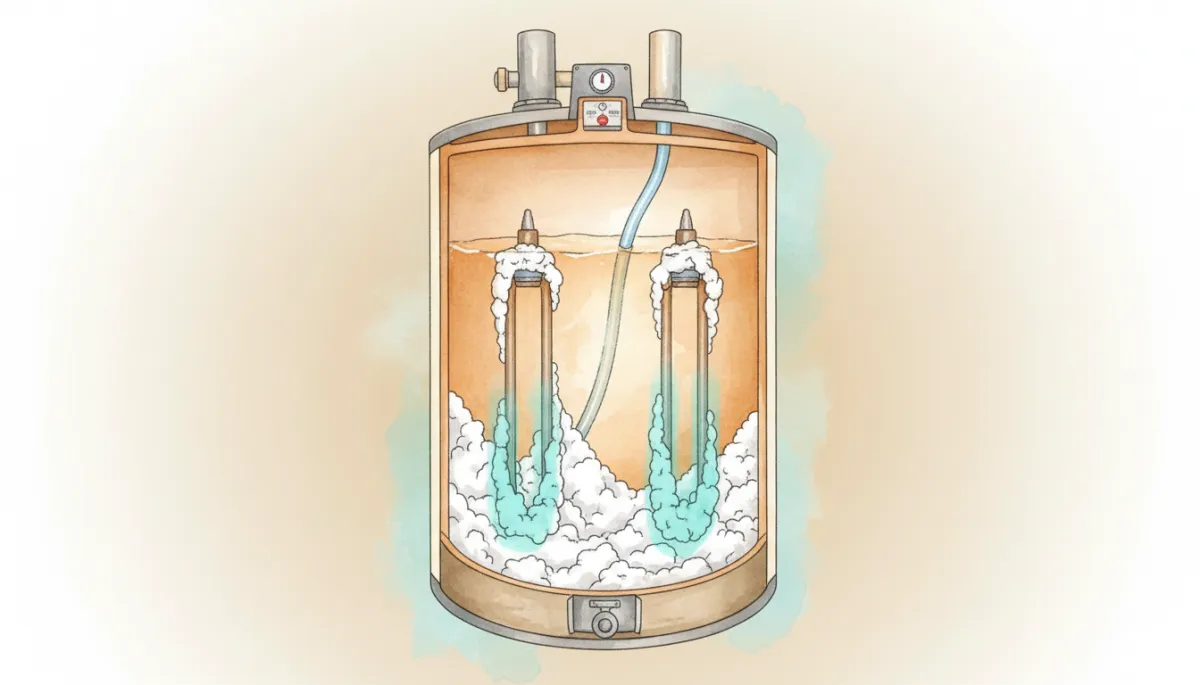
Cutaway of a water heater tank showing thick white mineral scale at the bottom and on heating...
Heavy mineral scale from hard water acts like insulation, forcing heaters to overwork and fail early.
Mineral Scale Impact: A Sneaky Thermal Insulator
Here is where it gets interesting—and a little scary. That mineral scale does not just sit there; it acts like a thermal insulator. Instead of your heating element directly warming the water, it has to push heat through a crust of rock-like buildup first. The thicker the scale, the harder your water heater has to work to deliver the same hot shower.
The U.S. Department of Energy and plumbing experts note that even 1/16 of an inch of scale can raise energy use by around 10%. Some sources estimate that heavy sediment buildup can cut efficiency by up to 25%. That wasted energy is only part of the story, though. As the element struggles to push heat through the scale, it runs hotter and longer. Over time, it essentially gets cooked from the inside out, leading to:
Burned-out heating elements that need frequent replacement
Rumbling, popping, or banging sounds as trapped water flashes to steam under the scale
Extra stress on the tank itself, which can speed up corrosion and leaks
This is the heart of the Mineral Scale Impact problem in Southwest Florida: the Floridan Aquifer loads your water with minerals, those minerals form scale, and the scale quietly destroys your heater years before the national averages say it should fail.
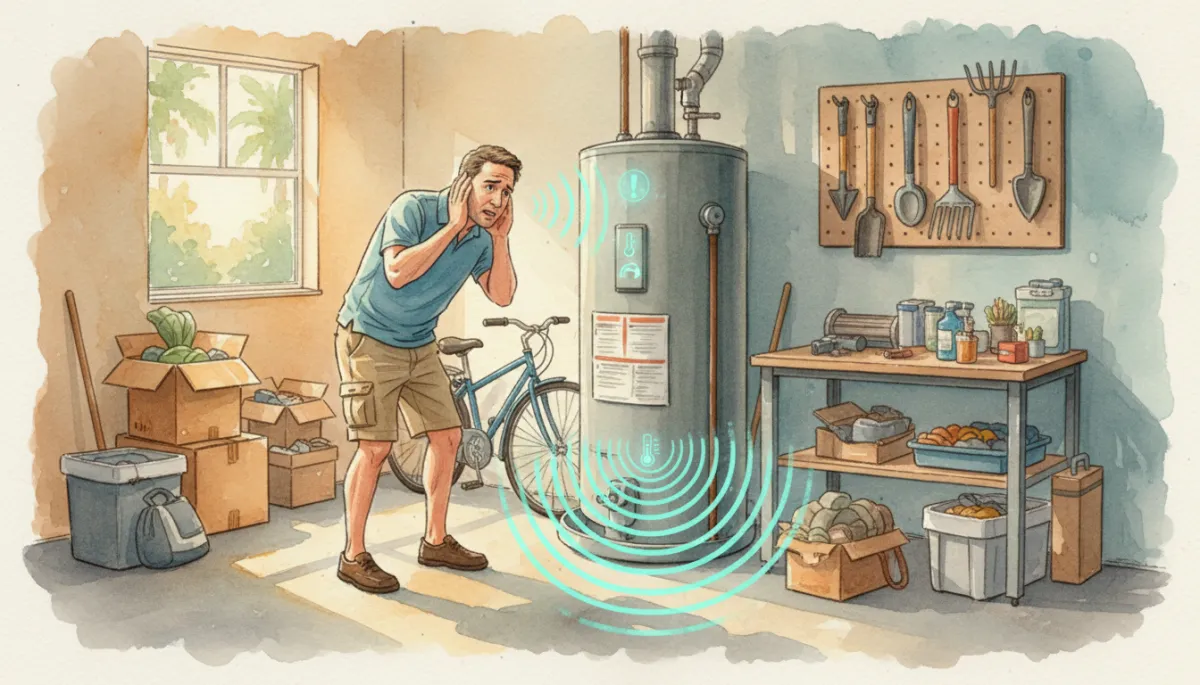
Scene of a Southwest Florida homeowner listening to a noisy water heater in a garage, with...
Popping or rumbling sounds are early warning signs of serious mineral buildup inside your heater.
Tank vs. Tankless: Are Any Southwest Florida Water Heaters Safe?
You might be wondering whether switching to a tankless unit will magically fix the problem. Tankless models do have a longer potential Water Heater Lifespan—often 15–20 years in softer-water regions. But in Southwest Florida, they are still vulnerable to the same Floridan Aquifer Effects.
Tankless heaters use narrow internal passages and high-efficiency heat exchangers. Even a thin layer of scale can restrict flow, reduce heat transfer, and trigger error codes or shutdowns. Without regular descaling, a tankless unit exposed to hard water can also see its Average Water Heater Life shortened by several years. The technology is different, but the enemy—mineral scale from the Floridan Aquifer—is the same.
💡 Friendly Tip: Whether you have a tank or tankless system, ask your plumber how often it should be flushed or descaled based on your specific water hardness.
Water Heater Maintenance Habits That Can Add Years to Your System
The good news is that you are not powerless. With the right Water Heater Maintenance routine, you can push your Southwest Florida water heater closer to (or even beyond) that six-year mark. Here are practical steps that make a real difference:
Flush the tank regularly. In very hard-water areas, many pros recommend flushing every 6–12 months to remove sediment before it hardens into thick scale.
Check the anode rod. This sacrificial rod attracts corrosive elements so your tank does not have to. Inspecting and replacing it every few years can significantly extend tank life.
Test the pressure relief valve annually. This simple step helps keep your heater operating safely and can reveal issues before they become emergencies.
Set the thermostat around 120°F. This is hot enough for comfort but gentle enough to reduce stress on elements and minimize scalding risks.
Consider a whole-home water softener. By reducing calcium and magnesium before they reach your heater, a softener can dramatically cut scale formation and help you reclaim some of those “lost” years of Water Heater Lifespan.
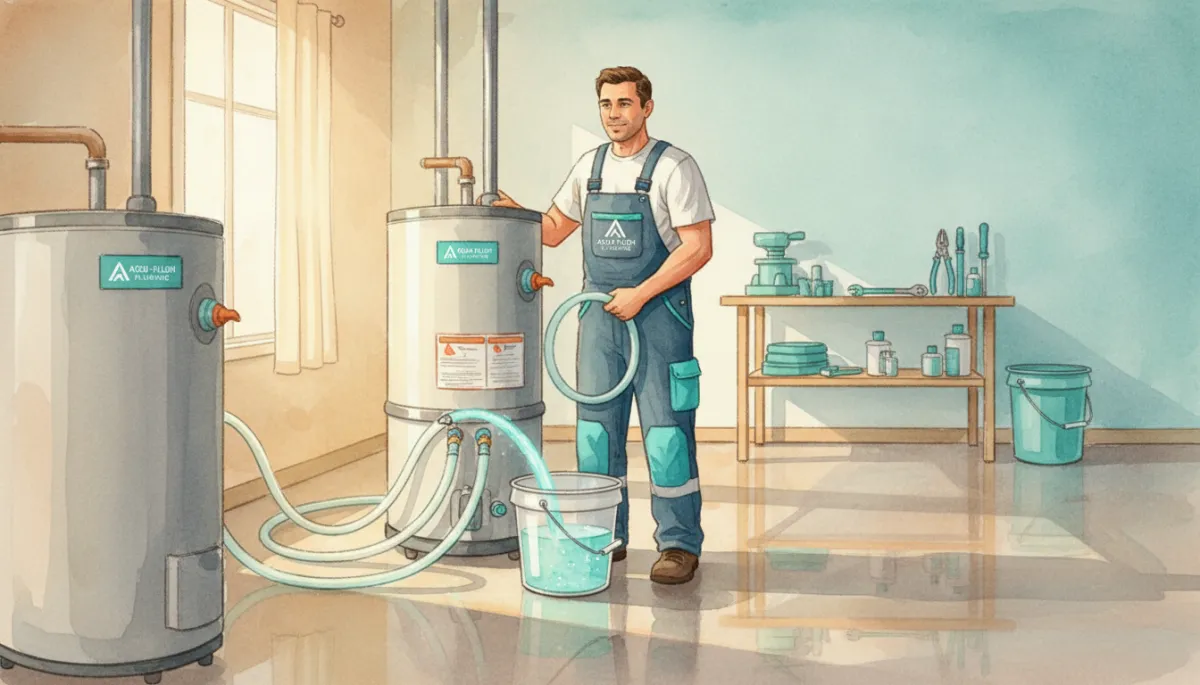
Plumber in a clean garage flushing a water heater with hoses attached, fresh aqua accents on...
Simple yearly flushing and inspections can offset hard water damage and extend heater life.
Setting Realistic Expectations—and a Smart Replacement Plan
When you understand how hard water and Mineral Scale Impact your system, the “mystery” of why Southwest Florida water heaters only last about six years starts to make sense. The Floridan Aquifer Effects are simply tougher on equipment than what national averages assume. That is why a heater that might last 10–12 years in a soft-water state can struggle to reach six or seven years here without extra help.
A friendly, realistic approach is to:
Assume an Average Water Heater Life of about 6–8 years locally, depending on your water hardness and maintenance habits.
Start planning for replacement once your heater hits year five, rather than waiting for a surprise cold shower.
Invest in regular Water Heater Maintenance and, if possible, a water softener to tilt the odds back in your favor.
With a little knowledge and a proactive mindset, you can stop feeling blindsided by early failures and instead treat your Southwest Florida Water Heaters like what they really are: hard-working appliances operating in one of the most challenging water environments in the country. Take care of them, and they will take better care of you—one hot shower at a time.

Facebook
Instagram