

Water Heater Replacement in Naples & Bonita Springs
Water Heater Replacement, HOA Plumbing Rules, Naples Condos, Bonita Springs Plumbing, Flood Risk Regulations, Condo Expansion Tanks
Replacing Water Heaters in Naples & Bonita Springs Condos: HOA Rules, Codes, and Flood Risk
Wondering what the requirements are for replacing a water heater in a Naples or Bonita Springs condo? You’re not alone. Between HOA plumbing rules, city and county permits, and flood risk concerns, it can feel like a maze. This friendly guide walks you through the essentials so you can upgrade your water heater with confidence—and without surprise violations or leaks.
The Short Answer: What’s Required in Naples & Bonita Springs Condos?
In both Naples and Bonita Springs, Water Heater Replacement in a condo almost always requires:
A plumbing permit through the City of Naples or Collier County / City of Bonita Springs, depending on your building’s jurisdiction.
Compliance with the Florida Building Code for water heaters, including safe installation, access, and proper relief valve piping.
Adherence to your condo association’s HOA Plumbing Rules, which may be stricter than city or state codes—especially around age limits, leak protection, and scheduling work.
On top of that, many buildings now require automatic shut-off sensors and sometimes Condo Expansion Tanks to protect the shared plumbing stacks and minimize flood risk.
Step One: Understand Your HOA Building Guidelines
Before you call a plumber, pull out your condo’s Rules & Regulations or contact the property manager. In Naples and Bonita Springs, many HOAs treat water heaters as a major risk item and set their own timelines and standards for replacement.
Age limits: Some Naples condos require tank-type heaters to be replaced every 10 years, regardless of how they look, because one burst tank can damage multiple floors. For example, Beacon House Condominium in Naples uses a 10-year rule with limited extensions based on inspections and board approval (beaconhousenaples.com).
Approval process: Your HOA may require an architectural or maintenance request form before any work, plus proof of your contractor’s license and insurance.
Work hours & access: Many Bonita Springs and Naples condos only allow plumbing work during weekday business hours and require advance notice to neighbors or on-site staff.
Responsibility lines: Typically, you’re responsible for the water heater inside your unit, while the HOA handles the main risers and common stacks—but each building’s documents define this differently.
💡 Friendly Tip: Email your manager asking, “What are our current rules for water heater replacement?” and keep their reply with your records. It’s an easy way to avoid misunderstandings later.
Permits, Pans, and Drains: What the Codes Require in Naples
Next comes the legal side. Under the Florida Building Code, replacing a water heater—whether in a single-family home or a condo—requires a plumbing permit (naplesgov.com; collier.gov). Collier County even offers “self-issuing” permits online for simple like-for-like swaps, but any change in type, size, or location usually needs full review with plans (colliercountyfl.gov).
The City of Naples adds an important twist for condos: if your water heater is above the first floor, it must sit in a pan with 4-inch sides and a minimum 1-inch drain line that discharges to a safe location—either outside or to an approved drain. The temperature and pressure relief (T&P) valve must also be piped to a safe discharge point (naplesgov.com; codes.iccsafe.org).
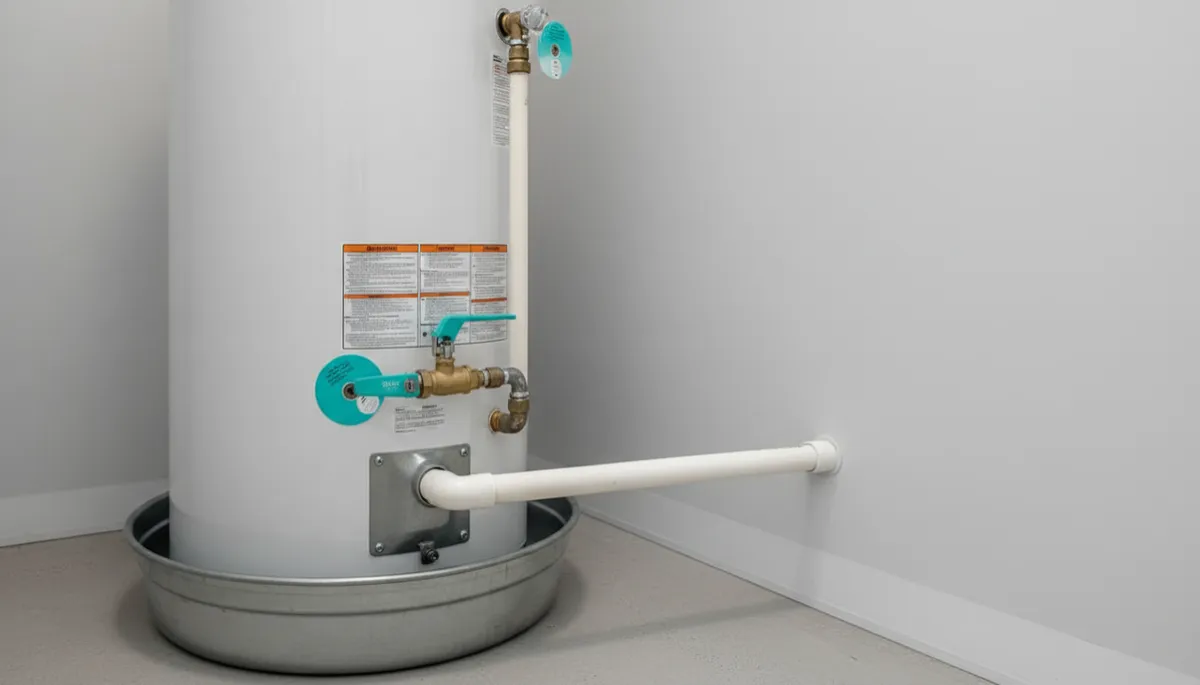
Proper pans and drains help keep condo water heater leaks from becoming multi-floor floods.
State code doesn’t always require a new pan if one wasn’t there before, but the City of Naples does for elevated installations—so your contractor should follow the stricter local rule. In Bonita Springs, you’ll still need a permit and inspection, and plumbing work can’t be concealed until passed by the building official (codes.iccsafe.org; cityofbonitasprings.org).
Condo Stack Pressure and Why Expansion Tanks Matter
In a high-rise condo, your water heater isn’t working in isolation. It’s tied into a vertical plumbing stack that serves multiple units. These stacks can be under significant pressure, especially in taller Naples and Bonita Springs buildings or where backflow prevention and check valves are installed to meet current codes.
When water heats up, it expands. In a “closed” plumbing system (very common in condos), this expansion has nowhere to go, so pressure builds. Over time, that extra pressure can:
Stress your water heater tank and shorten its life.
Cause the T&P valve to drip or discharge frequently.
Affect shared stack pressure, potentially impacting neighbors’ fixtures and valves.
That’s where Condo Expansion Tanks come in. These small pressurized tanks absorb the extra volume when water heats up, helping stabilize pressure in the stack. Many Naples Condos and Bonita Springs Plumbing contractors now strongly recommend, or even require, expansion tanks when replacing a water heater—especially if your building has upgraded to modern backflow protection.
💡 Friendly Tip: Ask your plumber, “Is our building’s system considered closed, and do I need an expansion tank for stack pressure?” It’s a small upgrade that can prevent big headaches.
Mandatory Leak Protection: Shut-Off Valves and Sensors
Flood risk is a huge concern in Southwest Florida condos—not just from storms, but from everyday leaks. Many HOAs now require automatic shut-off devices when you replace a water heater. While these devices aren’t yet mandated by the Florida Building Code statewide, they are increasingly written into HOA Plumbing Rules as a condition of approval, especially in buildings with high deductibles or recent water damage claims.
These systems usually include:
A motorized shut-off valve on the cold-water supply to the heater.
One or more leak sensors placed in the drain pan or on the floor nearby.
A control unit that closes the valve automatically when water is detected, and often sends an audible alarm or smart notification.
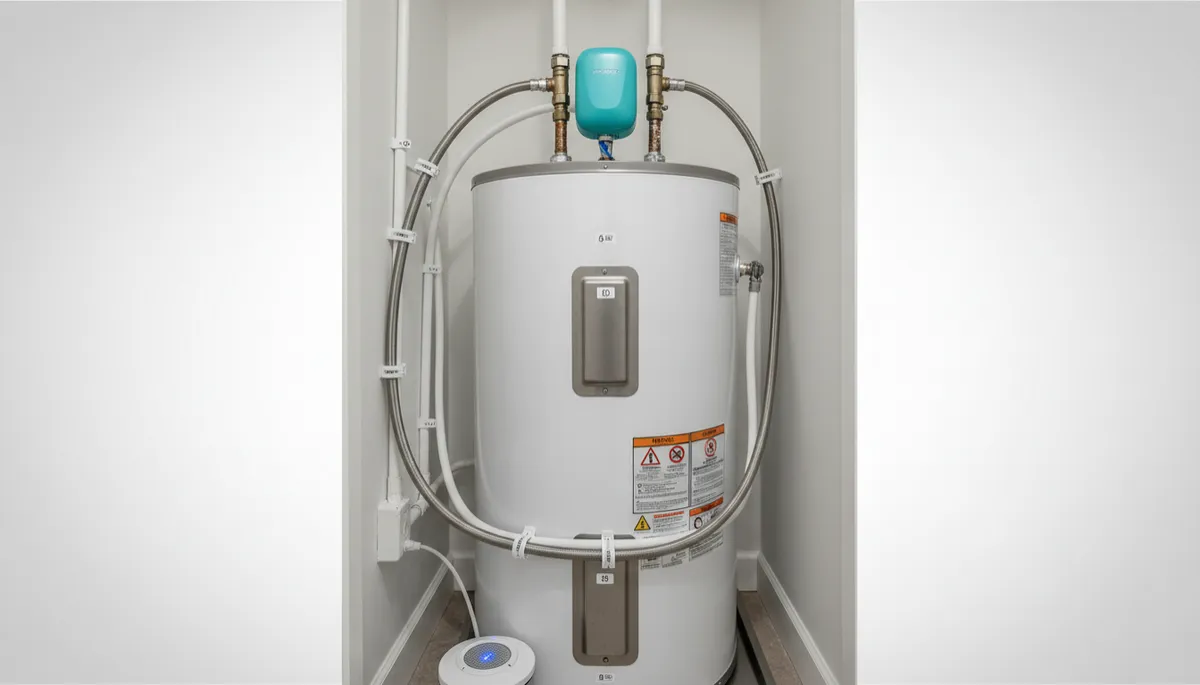
Automatic shut-off sensors can stop a minor leak from turning into a multi-unit insurance claim.
Some associations in flood-prone or high-rise areas now list these devices as mandatory for any new Water Heater Replacement. Even where not required, they’re a smart way to protect yourself and your neighbors—and they may help with insurance discussions around Flood Risk Regulations and mitigation.
How Flood Risk and Insurance Tie Into Your Water Heater Project
Florida’s flood rules focus more on building-wide resilience than on individual water heaters, but the two are connected. Condo associations near the coast—like many in Naples and Bonita Springs—are encouraged to carry flood insurance on common elements under Chapter 718, Florida Statutes, and can also pursue mitigation grants through programs like the My Safe Florida Condominium pilot for hurricane and water intrusion improvements (flsenate.gov; Chapter 215).
While your personal water heater may not be a “flood” device, a failed tank can cause enough damage to trigger insurance claims and special assessments. That’s why boards often:
Enforce strict replacement age limits for tanks.
Require pans, drains, and leak sensors as part of their flood risk management strategy.
Ask for proof of permits and inspections to show compliance with the Florida Building Code and local ordinances.

Many condo boards now treat water heater upgrades as part of their overall flood and leak mitigation strategy.
A Simple Checklist for Replacing Your Condo Water Heater in SWFL
Check your HOA documents. Look for sections on water heaters, plumbing, maintenance responsibilities, and replacement timelines. If you’re unsure, email the manager for written guidance.
Confirm permit requirements. Your licensed contractor should pull the correct permit—self-issuing for simple like-for-like jobs when allowed, or full permits with plans if changing type, size, or location (colliercountyfl.gov; naplesgov.com).
Ask about pans, drains, and relief piping. In Naples, elevated heaters need a 4-inch pan and 1-inch drain line, plus properly routed T&P discharge. Bonita Springs also requires permitted, inspected work that meets Florida Building Code standards.
Discuss stack pressure and expansion tanks. In multi-story Naples Condos and Bonita Springs buildings, an expansion tank can protect both your heater and the shared plumbing stack.
Install leak detection and shut-off sensors if required (or recommended). Many associations now treat these as mandatory for new water heaters, and they’re a wise upgrade even when optional.
Keep your paperwork. Save permits, inspection results, invoices, and any HOA approvals. They’re helpful for resale, insurance, and future board questions.
Final Thoughts: A Safer, Smarter Water Heater Upgrade
Replacing a water heater in a Naples or Bonita Springs condo isn’t just a quick swap—it’s a small construction project with shared consequences. When you understand your HOA building guidelines, respect the condo’s stack pressure dynamics, and add modern protections like automatic shut-off sensors and Condo Expansion Tanks, you’re doing more than following the rules. You’re helping keep your neighbors’ homes dry and your building’s insurance costs under control.
Partner with a licensed Bonita Springs Plumbing or Naples contractor who understands condo work, and don’t be shy about asking questions. A friendly, informed approach now can save you—and your HOA—a lot of stress down the road.


Facebook
Instagram