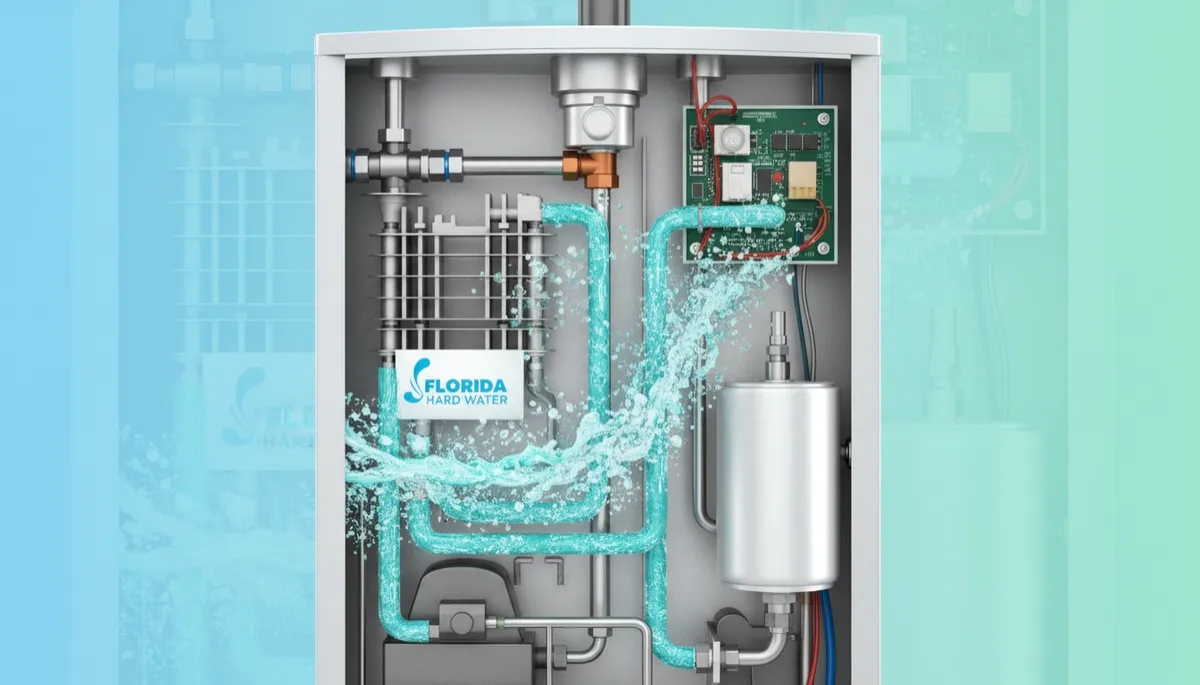
Essential Tankless Water Heater Maintenance Tips
Home Maintenance, Tankless Water Heater, SWFL
Tankless Water Heater Maintenance: The Critical Step Most SWFL Homeowners Miss
If you live in Southwest Florida and own a tankless water heater, you may have heard it’s “maintenance-free.” In our unique Florida hard water conditions, that myth can quietly destroy your system long before its time. Let’s walk through what SWFL homeowners really need to know about water heater maintenance, descaling, and protecting your investment from the aggressive scaling properties of the Floridan Aquifer.
The “Maintenance-Free” Myth Meets Florida Hard Water
Tankless units are often marketed as sleek, efficient, and almost hands-off. Compared to bulky storage tanks, they absolutely save space and can be more efficient. But “maintenance-free”? Not in Southwest Florida. Our water comes from the Floridan Aquifer, which is rich in dissolved minerals like calcium and magnesium. That mineral-heavy water is what we call Florida hard water, and it’s the main villain behind scale buildup inside your tankless water heater.
Every time hot water flows through your tankless system, minerals precipitate out and cling to the internal heat exchanger. Over time, this “rock candy” of scale narrows passages, forces the heater to work harder, and traps heat where it shouldn’t be. According to national maintenance guides, tankless units in hard water areas already need more attention than average; in SWFL, the effect is even more aggressive because the aquifer’s hardness is consistently high all year round (Family Handyman, Water Heater Hub).
💡 Friendly Reminder: “On-demand” doesn’t mean “no-maintenance.” It simply means your tankless water heater heats water when you need it, not that it’s immune to Florida hard water.
What Scale Actually Does Inside Your Tankless Water Heater
For many SWFL homeowners, scale is out of sight and out of mind—until something breaks. Here’s what happens when you skip regular water heater maintenance and never descale your tankless heater:
Reduced efficiency: Scale acts like insulation on the heat exchanger. Your heater has to burn more gas or use more electricity to deliver the same hot water temperature, raising your utility bills.
Erratic temperatures: Mineral buildup disrupts water flow, causing those frustrating hot-cold-hot-cold “shower surprises.”
Noise and vibration: As scale flakes and moves, you may hear rattling, whistling, or banging inside the unit, especially when multiple fixtures run at once.
Shortened lifespan: Overheated components and restricted flow can cause premature failure of the heat exchanger—a very expensive repair that often makes replacement more practical than fixing.
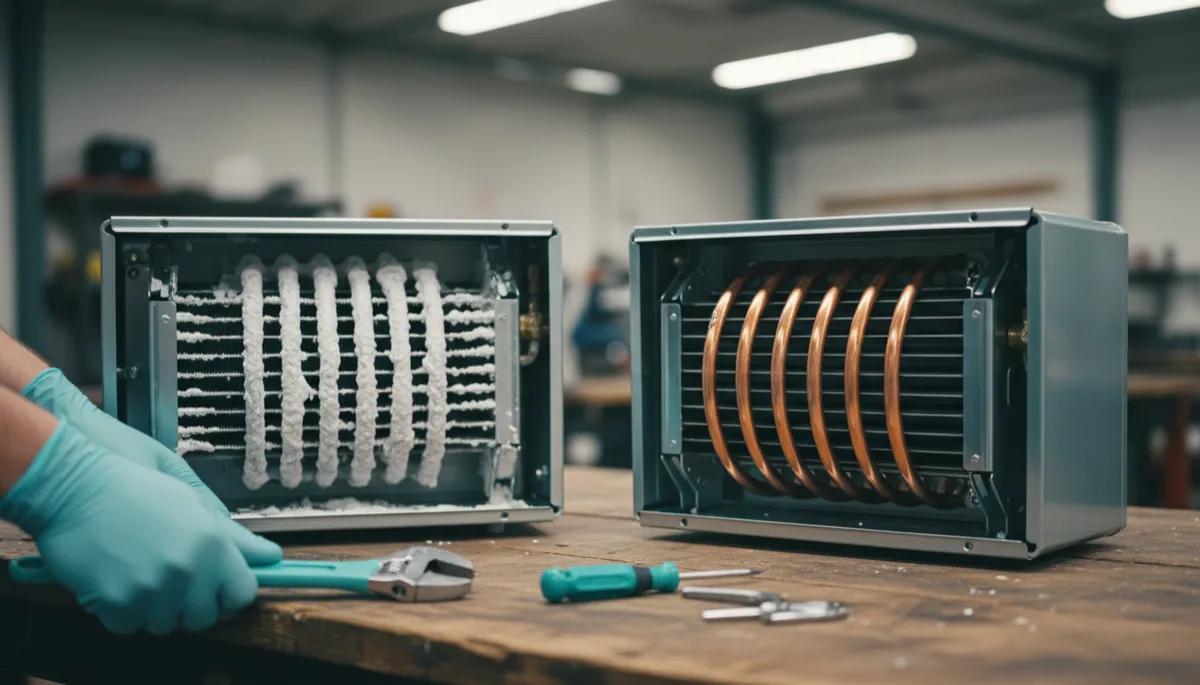
Heavy scale buildup forces your tankless heater to work harder and fail sooner than it should.
How Often Should You Descale a Tankless Heater in Florida Hard Water?
Here’s the big question SWFL homeowners ask: How often should I descale my tankless water heater? In a mild water area, many manufacturers suggest descaling once per year. But in Florida hard water, especially with the aggressive scaling from the Floridan Aquifer, that’s usually not enough.
Based on national maintenance recommendations for hard water regions and what local pros see in the field, a good rule of thumb for SWFL is:
Every 6–12 months for most tankless units connected to unsoftened Florida hard water (This Old House).
Every 6 months if you have a larger household (3+ people), long showers, or multiple bathrooms running at the same time.
Every 12 months if you have effective water treatment (like a whole-home softener) and moderate hot water usage.
📌 Friendly Rule: In SWFL, if you can’t remember the last time you descaled your tankless heater, it’s probably overdue.
A Simple Maintenance Schedule for SWFL Homeowners
To keep your tankless water heater happy in our coastal climate, think in terms of an easy, repeatable maintenance schedule. Here’s a friendly outline you can adapt to your home:
Every 3–6 months: Clean inlet water filters and air intake filters. Florida’s sand, sediment, and even little bits of shell can clog screens faster than you’d expect.
Every 6–12 months: Descale tankless heater using a pump and descaling solution (or have a pro do it). This is the core of scaling prevention in SWFL.
Once a year: Schedule a full water heater maintenance visit. A licensed technician should inspect gas or electrical connections, venting, safety controls, and overall performance (Home Depot Maintenance Guide).
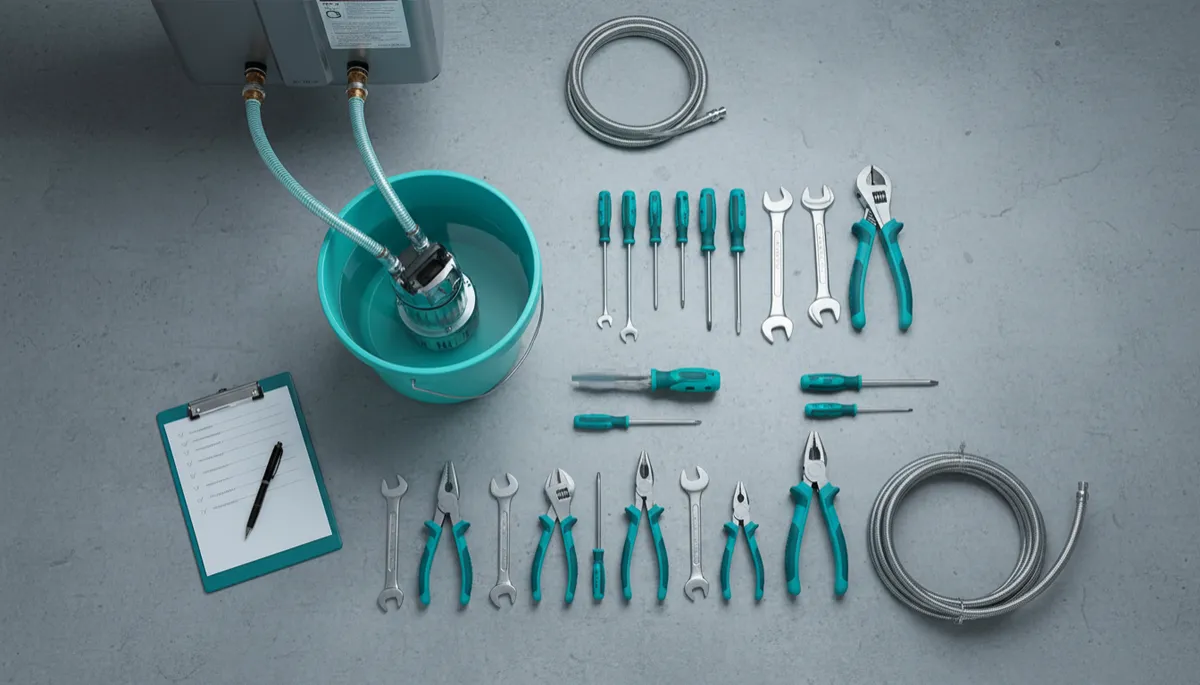
A simple 6–12 month descaling routine keeps performance high and energy bills lower.
DIY vs. Professional Descaling: What’s Right for You?
Many handy SWFL homeowners can perform a basic descale themselves, as long as the tankless water heater has isolation valves installed. The process usually involves turning off power and gas, closing the water valves, hooking up a small pump and hoses, and circulating a descaling solution (like food-grade vinegar or a manufacturer-approved chemical) through the unit for 30–60 minutes. Then you flush with clean water, remove the setup, and restore normal operation.
However, if you’re uncomfortable with valves, gas lines, or electrical systems—or if your unit is throwing error codes—it’s worth calling a professional. A pro can descale the heater, verify combustion or electrical safety, and catch small issues before they become big repairs. Many local companies offer affordable annual or semi-annual water heater maintenance plans specifically tailored to Florida hard water conditions.
💡 Pro Tip for Peace of Mind: Ask your plumber to show you exactly where your isolation valves, filters, and shutoffs are. A five-minute walkthrough today can save you a lot of stress later.
Long-Term Scaling Prevention in SWFL Homes
Descaling every 6–12 months is essential, but it’s only one piece of a smart scaling prevention strategy. To really protect your tankless water heater from the Floridan Aquifer’s mineral load, consider these upgrades:
Whole-home water softener: This is the gold standard for SWFL homeowners. By reducing hardness before it reaches your tankless unit, a softener dramatically slows scale buildup and also helps dishwashers, faucets, and laundry.
Inline scale filter or conditioner: These devices are installed on the cold water line feeding your tankless heater. They don’t always remove minerals, but they can change how they crystallize so they are less likely to stick to the heat exchanger (Family Handyman).
Moderate temperature settings: Cranking your tankless water heater to very high temperatures speeds up mineral precipitation. Keeping the setpoint around 120°F is usually plenty hot and easier on the system.
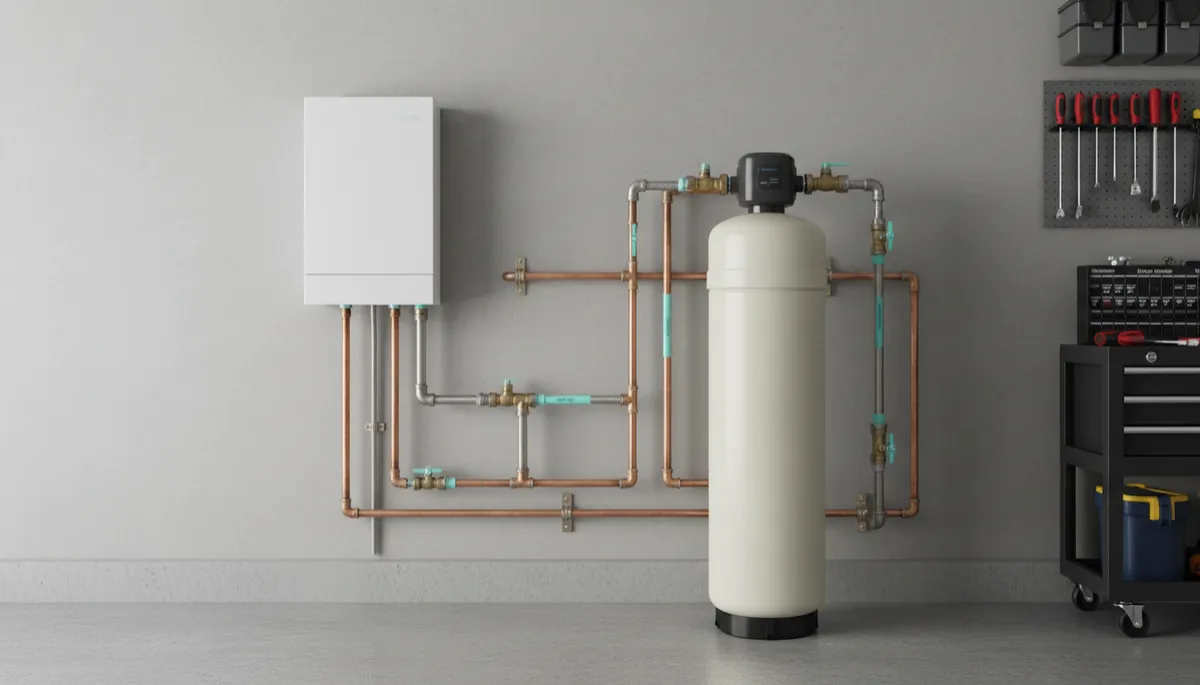
Pairing your tankless heater with water treatment is the strongest defense against Florida hard water scale.
Signs Your Tankless Water Heater Needs Descaling Now
Not sure if your system is overdue? Here are some friendly warning signs SWFL homeowners should watch for:
Hot water takes longer to arrive at faucets and showers than it used to.
You notice fluctuating temperatures or sudden bursts of cold water during showers.
Your utility bills creep up even though your hot water habits haven’t changed.
The unit displays error codes related to flow, temperature, or ignition.
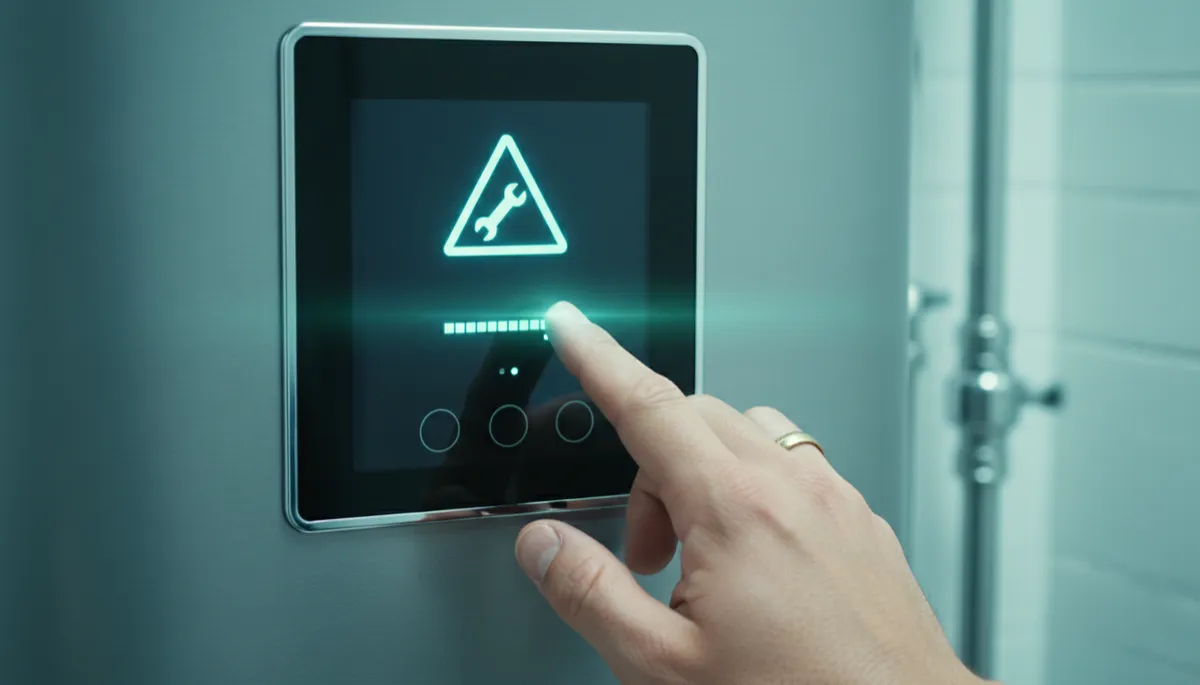
Photographic realistic close-up of a tankless water heater digital display showing a warning...
The Bottom Line for SWFL Homeowners
Tankless water heaters are a great fit for Southwest Florida homes, but they are absolutely not maintenance-free in our mineral-rich water. The aggressive scaling properties of the Floridan Aquifer mean that skipping descaling isn’t just a small oversight—it’s a decision that can cut years off your system’s life and quietly drain your wallet through higher energy bills and early replacement costs.
By following a regular water heater maintenance schedule, choosing to descale your tankless heater every 6–12 months, and investing in smart scaling prevention like water softeners or inline filters, you can keep your system running efficiently for the long haul. Your showers will be more comfortable, your energy use more reasonable, and your tankless water heater far less likely to surprise you with an untimely breakdown.
If you’re a SWFL homeowner and you’re not sure when your last maintenance was, this is a great time to start fresh. Put a reminder on your calendar, talk with a trusted local plumber, and give your tankless system the care it needs to stand up to Florida hard water—for years to come.

Facebook
Instagram