Snowbird Plumbing Guide: Florida Home Maintenance Tips
Snowbird Plumbing, Florida Home Maintenance, Seasonal Home Care
The Snowbird’s Friendly Guide to Florida Plumbing: Water Shutoff, P-Traps, and Smart Leak Protection
If you escape the Florida heat for the summer and fly back in October, your plumbing needs a little love before you go and when you return. This friendly guide walks you through a complete, step‑by‑step pre‑departure and return routine—covering main water shutoff tips, water heater vacation mode, draining lines, dishwashers and disposals, irrigation systems, P‑trap solutions, and smart leak detectors with auto‑shutoff—so your “snowbird” home stays safe, dry, and ready to welcome you back.
Why Snowbird Plumbing Matters in Florida
Being a snowbird is wonderful—you get the best of both worlds. But leaving your Florida home empty for months means small plumbing issues can quietly turn into big, expensive messes. A pinhole leak behind a wall, a supply line that bursts, or a P‑trap that dries out and lets sewer gas creep in can all cause headaches you definitely don’t want to deal with when you fly back in for the season.
The good news? With a simple seasonal home care routine and a few smart upgrades, you can dramatically cut your risk of water damage and weird odors. Many of the same ideas that show up on general seasonal home maintenance checklists—like checking plumbing, draining lines, and using smart monitoring devices—apply perfectly to Florida snowbirds too.
💡 Friendly Reminder: A burst pipe or undetected leak can easily cause tens of thousands of dollars in damage. A careful shutoff routine plus smart leak detectors is one of the best “insurance policies” you can give your Florida home.
Your Full Pre‑Departure Plumbing Routine (Step‑by‑Step)
Let’s walk through a friendly, practical checklist you can follow a day or two before you head north. You can even print this and keep it in a kitchen drawer labeled “Snowbird Plumbing Checklist.”
1. Turn Off the Main Water Shutoff (Your #1 Protection)
Your main shutoff valve is the master switch for water coming into your home. For most Florida homes, it’s either:
In a meter box near the street or sidewalk, or
On an exterior wall, often near a hose bib or where the main line enters the house.
Before you leave, turn this valve to the OFF position. This simple move prevents constant water pressure from sitting on your pipes and fixtures while you’re gone, which is exactly what causes catastrophic leaks. Many plumbers and winterizing guides call this step non‑negotiable for snowbirds.
💡 Pro Tip: Label the main valve with a bright tag that says “MAIN WATER – OFF WHEN AWAY.” It makes it easy for you—and for any house sitter or neighbor helping out.
2. Set the Water Heater to Vacation Mode (or Turn It Off)
Next up in your snowbird plumbing routine: your water heater. Most modern units have a clearly marked “Vacation” or “Low” setting. This keeps the tank from constantly reheating water you’re not using, saving energy and reducing stress on the tank while still preventing issues like bacterial growth.
Gas water heater: Turn the dial to “Vacation” or the lowest setting. If you’re going to be gone for many months and feel comfortable, you can turn it to “Pilot” or off—just follow the manufacturer’s instructions carefully when you relight it in October.
Electric water heater: Switch the breaker off at your electrical panel or use the vacation setting if available.
Many winterizing guides recommend turning off or down your water heater when you shut off the main water supply to avoid damage if the tank runs dry or overheats.
3. Drain the Lines: Faucets, Showers, and Toilets
After the main water is off and the heater is in vacation mode, you’ll want to relieve pressure and remove as much water as is practical from your plumbing lines. This step is especially helpful if your area ever sees rare cold snaps, but it’s also a good way to reduce pressure on older pipes year‑round.
Go to the highest faucet in your home (often an upstairs bathroom sink) and turn it on to “open” the system.
Then, open each faucet and shower—hot and cold—working your way down through the house. Let them run until the water slows to a trickle and stops.
Flush each toilet once or twice to empty most of the tank and bowl.
You don’t have to get every last drop out of the system for a Florida home, but draining the bulk of the water reduces the chance of leaks and makes things easier on your plumbing while you’re away.
4. Show Some Love to Dishwashers and Garbage Disposals
Dishwashers and disposals can easily become smelly if they’re left with a little food or standing water. A few minutes before you leave can keep your kitchen fresh all summer long.
Dishwasher: Run a final hot cycle with the machine empty, or with a dishwasher cleaner. When it’s done, open the door slightly so the interior can dry. If your model has a filter, clean it so no food scraps sit inside for months.
Garbage disposal: Run the disposal with cold water and a few ice cubes and lemon peels or baking soda. This helps knock off debris and leaves a fresher smell. Turn off the breaker to the disposal if you like, as an extra safety step.
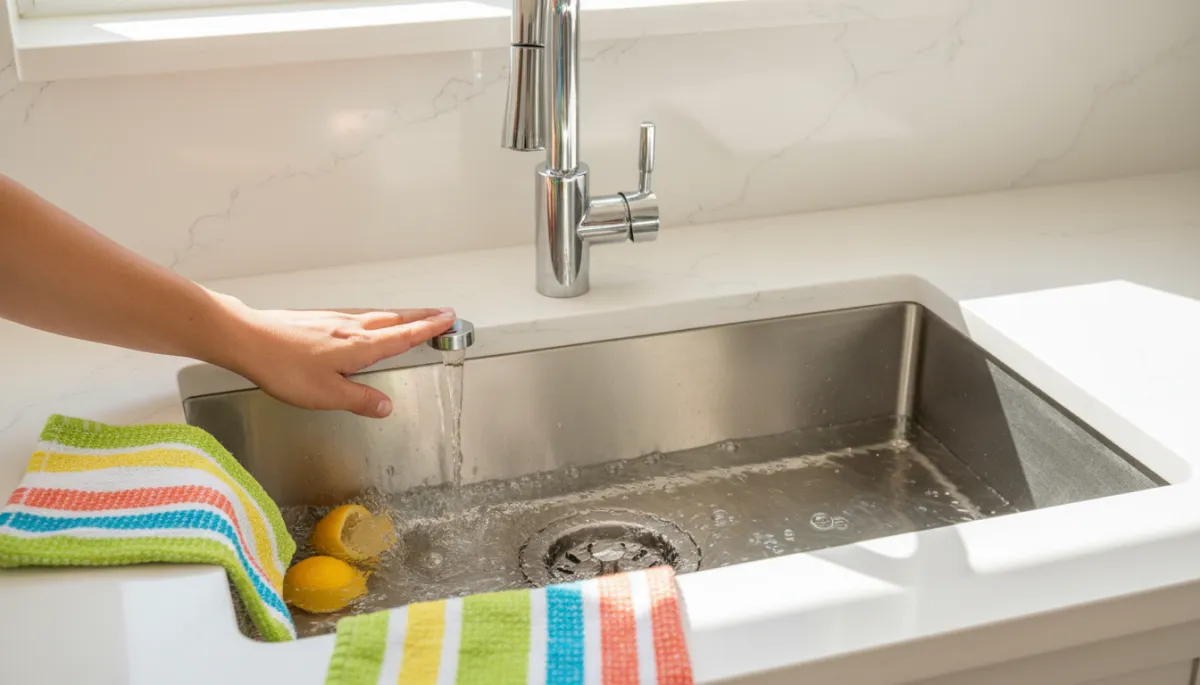
A quick dishwasher and disposal clean keeps your kitchen from greeting you with funky smells.
5. Irrigation: Keep the Lawn Happy, Not the House Flooded
Florida lawns and landscaping need water, especially in the hotter months. That’s why many snowbirds keep irrigation running even while the home is empty. The trick is to separate the irrigation from the rest of your home’s plumbing so a leak indoors doesn’t go unnoticed for months.
Ask a plumber about installing a separate shutoff or bypass so you can turn off water to the house, but keep the sprinkler system supplied. This is a common Florida home maintenance upgrade that pays for itself quickly if it prevents even one leak.
Check your irrigation timer before you go—set reasonable watering days and times based on local restrictions. Consider a smart irrigation controller you can adjust from your phone if conditions change.
💡 Pro Tip: Ask a neighbor or lawn service to keep an eye out for broken sprinkler heads or obvious leaks. A quick photo texted to you can save a huge water bill.
P‑Trap Solutions: Stopping Sewer Gas and “Florida Condo Smell”
If you’ve ever opened the door after months away and been hit with a musty, sewer‑ish scent, you’ve already met the villain: dry P‑traps. Every sink, shower, tub, and floor drain has a U‑shaped pipe called a P‑trap that normally holds a little water. That water forms a seal that blocks sewer gas from drifting up into your home. When you’re gone for months, that water can slowly evaporate, breaking the seal and letting odors in.
How to Prep Your P‑Traps Before You Leave
After you’ve drained the lines and done your toilet flushes, run a small amount of water back into each drain—sinks, tubs, showers, floor drains, and laundry drains. You want enough water to refill the P‑trap itself.
Then, pour about a cup of mineral oil into each drain. Mineral oil evaporates much more slowly than water, so it sits on top and helps keep that water seal from disappearing while you’re away.
Some cold‑climate winterizing guides also recommend RV‑type non‑toxic antifreeze in drains to protect against freezing. In most of Florida, freezing isn’t the main concern, but the same idea—protecting the water in the trap—still helps prevent sewer gas.
Don’t Forget Toilets and Floor Drains
Toilets: After your final flush, add a small amount of mineral oil to the bowl. It floats on the surface and slows evaporation, helping keep water in the trap of the toilet.
Floor drains: These are easy to overlook in laundry rooms, garages, and near water heaters. Make sure they get a little water and mineral oil too.
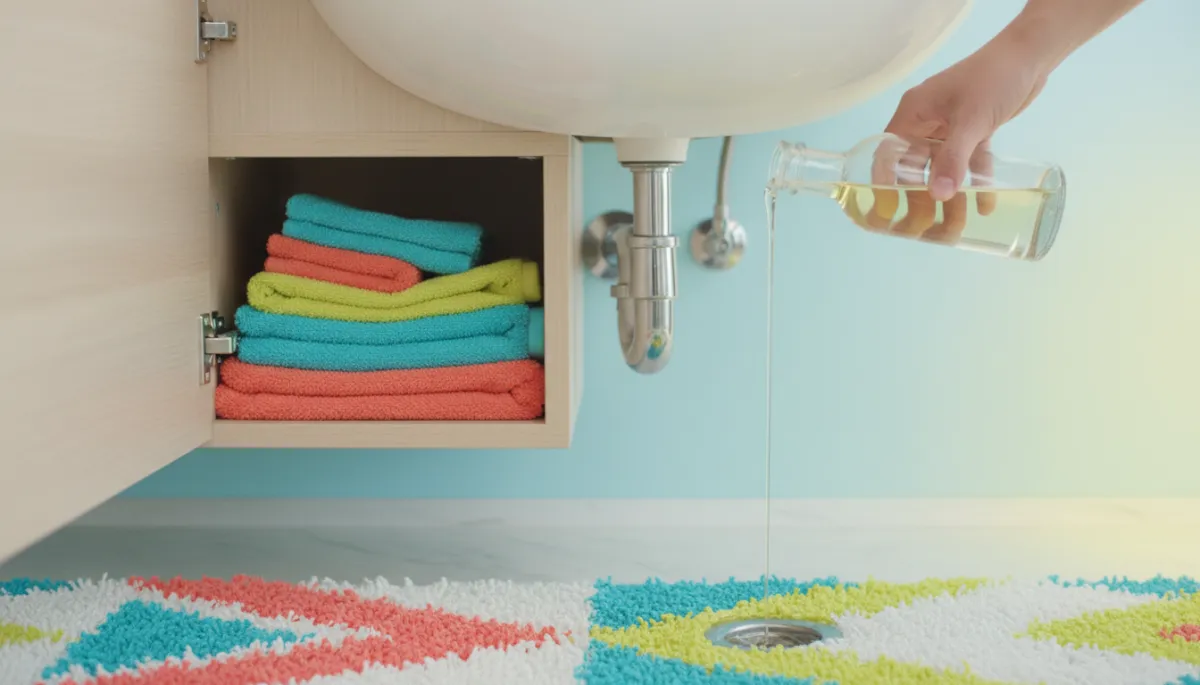
A few ounces of mineral oil in each drain can stop sewer gas from sneaking in.
Smart Leak Detectors and Auto‑Shutoff: Your Digital House Sitter
Even with your careful shutoff routine, things can still go wrong—especially if you leave irrigation or a condo association line supplying your unit. That’s where smart leak detectors come in. These small devices sense water where it shouldn’t be and send alerts to your phone. Some systems even include an automatic shutoff valve that can turn off your water when a leak is detected, which is perfect for seasonal Florida homes (HomeSmartly, 2026).
Whole‑Home Smart Shutoff Systems
Moen Flo Smart Water Monitor & Shutoff: A top‑rated choice for whole‑home protection with automatic shutoff. It monitors water usage, looks for unusual patterns, and can close the valve if it detects a problem. Many homeowners report catching leaks early and even getting small insurance discounts for installing it.
Phyn Plus Smart Water Assistant: Similar idea, using pressure‑wave technology to recognize different fixtures and leaks, also with auto‑shutoff. Many users praise its app and detailed water analytics.
Both Moen Flo and Phyn Plus usually require professional installation on your main line and cost more up front, but for snowbirds, that peace of mind while you’re hundreds or thousands of miles away can be priceless. Reddit users repeatedly mention these systems catching leaks that would have turned into major floods if left unnoticed for just a few hours.
Budget‑Friendly Leak Sensors for Key Spots
Govee and GoveeLife Wi‑Fi Leak Detectors: Affordable sensors you can place under sinks, behind toilets, near the water heater, and by the washing machine. They send phone alerts and have loud local alarms, making them popular budget picks.
YoLink Leak Sensors and Shutoff Kits: Great for long‑range coverage and DIY auto‑shutoff. Their LoRa technology is handy in larger homes or condos where Wi‑Fi may not reach every corner.
Eve Water Guard, Aqara, and IKEA Klippbok: These are excellent options if you’re already in the Apple HomeKit or Matter ecosystem, or if you want very low‑cost sensors you can sprinkle all over the house.
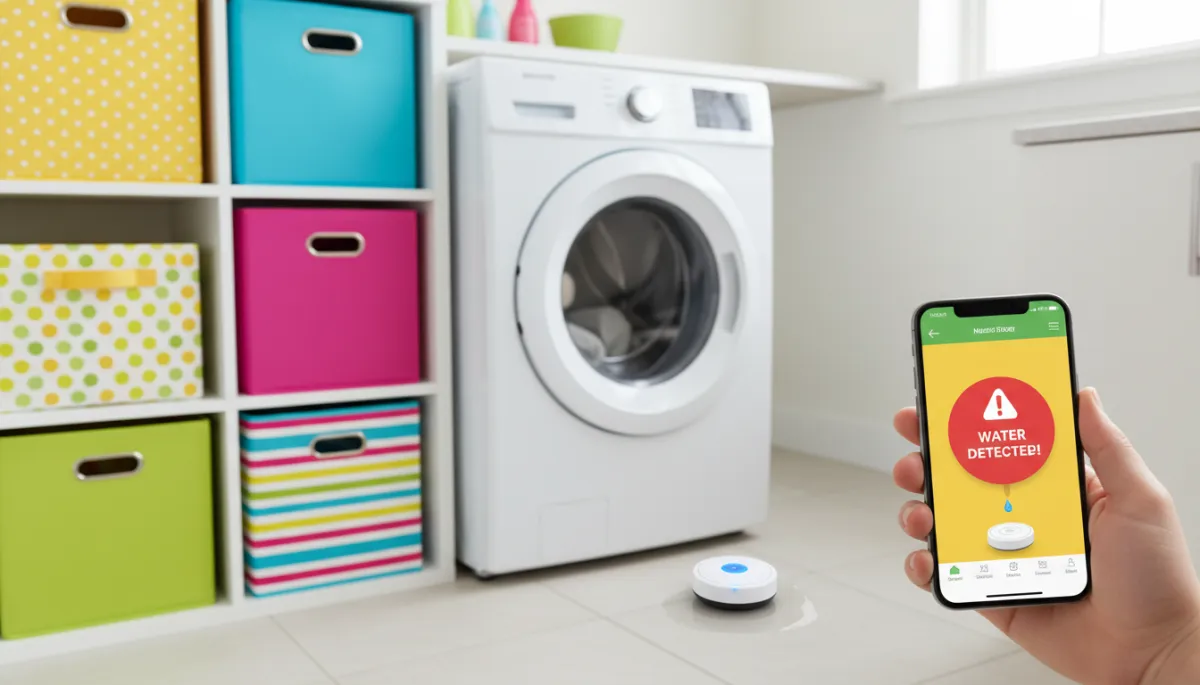
Smart leak detectors act like a digital neighbor, watching for water while you’re away.
💡 Pro Tip: Pair smart leak detectors with a trusted neighbor or property manager. If a sensor sends you an alert, they can pop over, confirm the issue, and shut off water if needed.
Extra Florida Home Maintenance Touches Before You Lock Up
While plumbing is the star of this guide, a few other seasonal home care habits help your Florida place stay in great shape between April and October, echoing many national seasonal maintenance checklists.
Set your thermostat to a humidity‑friendly temperature—many snowbirds aim for around 78–80°F with the fan set to “Auto” to control moisture and mold risk.
Clean gutters and downspouts so heavy summer rains drain away from the foundation rather than toward it.
Unplug small appliances and electronics, and make sure smoke and carbon monoxide detectors have fresh batteries.

A quick exterior check before you go helps your home handle Florida’s summer storms.
Your Happy Return: October Fly‑Back Plumbing Checklist
After months away, it’s tempting to drop your bags and jump straight into the pool. Before you fully settle in, give your plumbing a quick “welcome back” check. This helps you spot any surprises early and safely bring everything online again.
1. Walk‑Through and Sniff Test
Do a slow walk through the house before turning the water on. Look at ceilings, around baseboards, under sinks, and near the water heater for any signs of leaks or staining that may have happened while you were gone.
Take a gentle sniff in each room. Light mustiness is common after being closed up, but strong sewer or mold smells may mean a plumbing or moisture issue that needs attention.
2. Turn the Main Water Back On Slowly
Make sure all faucets are OFF and that no one is using water inside.
Gently turn the main shutoff valve back on. Do this slowly to avoid a sudden surge of pressure. If you have a smart shutoff system like Moen Flo or Phyn Plus, check the app for any alerts or unusual readings as the system repressurizes.
3. Flush Lines and Refill P‑Traps
Starting with the lowest floor, slowly open each faucet (hot and cold) and let it run for a few minutes. This flushes out any stale water and air in the lines. Don’t be surprised if it sputters at first—that’s just air escaping.
Flush each toilet a couple of times to bring in fresh water and refill traps. Check around the base of each toilet for any leaks as it refills.
Run a bit of water in every sink, tub, and shower to refresh the P‑traps and wash away any residual mineral oil. If any drain smells off, let water run a little longer and consider using a gentle enzymatic drain cleaner.
4. Bring the Water Heater Out of Vacation Mode
Once water is flowing normally, return to your water heater. For gas units, carefully follow the instructions to turn the dial from “Vacation” or “Pilot” back to your normal temperature setting (typically around 120°F for safety and efficiency). For electric, switch the breaker back on or exit vacation mode on the control panel.
Give it 30–60 minutes to fully heat before expecting truly hot water at your taps.
5. Test Appliances and Smart Devices
Run the dishwasher empty once to flush lines and check for leaks underneath. Listen for any strange noises and look for drips at the supply line and drain hose connections.
Turn on the garbage disposal briefly with running water to confirm it spins freely and drains well.
Open your smart leak detector app and confirm all sensors are online and reporting normally. Replace any low batteries and test at least one sensor by touching it with a damp cloth to make sure alerts reach your phone.
6. Quick Exterior and Irrigation Check
Walk the yard and look for soggy spots or obvious irrigation leaks. Turn on a manual test cycle for your sprinklers and watch each zone once to confirm heads are working and not spraying the house or windows.
Check gutters, downspouts, and around the foundation for any erosion or settling that might have happened over the summer storms.
Putting It All Together: A Simple Snowbird Plumbing Checklist
To make your Florida home maintenance routine easy to remember, here’s a compact checklist you can keep on your fridge or in a folder labeled “Seasonal Home Care.”
Before You Leave (Pre‑Departure)
Turn main water shutoff to OFF (house side), keep irrigation bypass on if needed.
Set water heater to Vacation/Low or turn off per instructions.
Drain lines: open faucets and showers, flush toilets, relieve pressure.
Dishwasher/disposal: run final cleaning cycles, clean filters, leave dishwasher door slightly open.
Refill P‑traps and add mineral oil to sinks, tubs, showers, floor drains, and toilet bowls to prevent sewer gas.
Confirm smart leak detectors and any auto‑shutoff systems are online and notifications are enabled.
Set thermostat, close blinds, and do a last walk‑through for drips or damp spots.
When You Fly Back in October (Return)
Walk through and inspect for any visible water damage or musty areas before turning water on.
Slowly turn main shutoff back ON and listen for unusual sounds in the walls or ceilings.
Flush lines and P‑traps: run faucets, showers, and flush toilets several times.
Return water heater to normal temperature and check for leaks around the tank and relief valve.
Test dishwasher, garbage disposal, washing machine, and any other water‑using appliances for proper operation and leaks at connections.
Confirm smart leak detectors are still online; replace any dead batteries and run a test alert.
With this simple snowbird plumbing and seasonal home care routine, you can lock up your Florida place each spring with confidence—and unlock it in October to a home that smells fresh, runs smoothly, and feels just the way you left it. A few extra minutes on shutoff tips, P‑trap solutions, and smart leak detectors now can save you from the kind of surprise you definitely don’t want to find on your first day back in paradise.

Facebook
Instagram