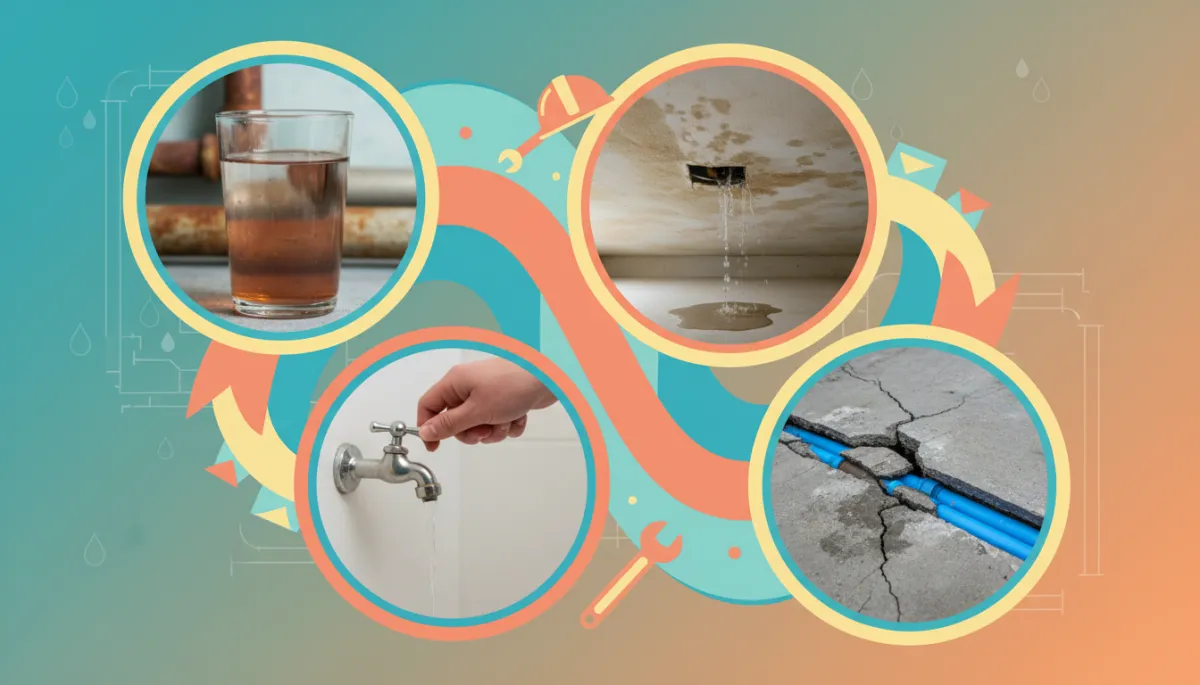
Signs Your Cape Coral Home Needs Repipe
Home Plumbing, Repipe, Cape Coral Plumbing
Is It Time to Repipe? Signs Your Cape Coral or Fort Myers Home Has Failing Pipes
If you live in Cape Coral or Fort Myers, your plumbing quietly works hard every day—until it doesn’t. Rusty water, low pressure, or a surprise leak can leave you wondering: do I just fix this one problem, or is it finally time for a whole-home repipe? In this friendly guide, we’ll walk you through how to tell what kind of pipes you have, the warning signs of failing pipes, what a whole-home repipe really involves, and how My Plumbing Friends can help with our dedicated Whole Home Repipes service page.
Why Pipe Problems Are So Common in Cape Coral and Fort Myers
Our beautiful corner of Southwest Florida comes with sun, sand, and… challenging plumbing conditions. Between our warm temperatures, unique water chemistry, and many homes built in the 1970s–1990s, it’s no surprise that failing pipes are a common issue in Cape Coral and Fort Myers. Older materials like galvanized steel and polybutylene piping don’t always age gracefully, especially in Florida’s environment. That’s why many local homeowners eventually consider a whole-home repipe instead of patching problem after problem.
Step One: How to Identify What Type of Pipes You Have
Before you can decide whether it’s time to repipe, it helps to know what’s running through your walls. You don’t have to be a plumber to get a basic idea. With a flashlight and a little curiosity, you can usually spot your pipe material in a few key areas: under sinks, near the water heater, in the garage, or where the main water line enters your home.
Copper: Reddish-brown metal, sometimes turning greenish where it oxidizes. Copper is common in many Florida homes and, when installed correctly, can last a long time—but it isn’t immune to pinhole leaks or corrosion, especially in older systems.
Galvanized steel: Dull gray, heavy metal pipes with threaded connections. Often found in homes built before the 1970s. Over time, these pipes can rust from the inside out, leading to rusty water and poor water pressure.
Polybutylene piping: Usually gray, sometimes blue or black, flexible plastic pipe used heavily in the 1980s and 1990s. It often has plastic or metal crimp rings at the fittings. If your home was built or re-plumbed between about 1978 and 1995, there’s a good chance you may have polybutylene, especially in Southwest Florida neighborhoods of that era.
CPVC: Rigid cream, off-white, or light yellow plastic. Common in Florida. It generally performs better than polybutylene but can become brittle with age or if exposed to high temperatures.
PEX: Flexible plastic tubing, usually red for hot, blue for cold, and sometimes white. This is a modern material commonly used in whole-home repipe projects because it’s durable, resistant to corrosion, and works well in our climate.
💡 Pro Tip: If you’re unsure what type of pipes you have, My Plumbing Friends can inspect your system and clearly identify your materials, age, and overall condition before you decide on a repipe.
Warning Sign #1: Rusty Water or Discolored Water
Turning on the tap and seeing brown, yellow, or reddish water can be alarming. While occasional discoloration can happen after work on city mains, consistent rusty water is often a sign of failing pipes inside your home, especially if you have galvanized steel or badly corroded copper. The discoloration comes from rust and mineral buildup breaking loose and flowing through your fixtures.
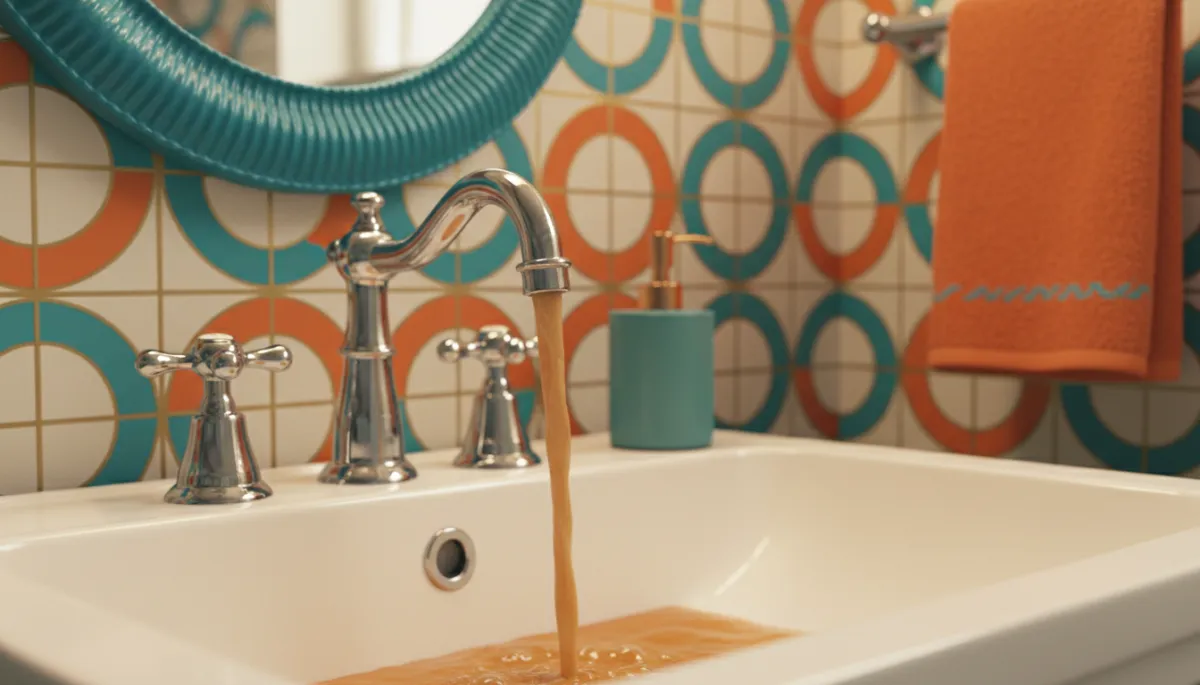
Persistent rusty water is a classic sign that aging pipes may be breaking down from within.
Not only is rusty water unpleasant to look at and use for laundry or bathing, it may also indicate that your pipes are thinning and weakening. If corrosion continues, leaks and bursts become more likely. In many Cape Coral and Fort Myers homes, recurrent discoloration is one of the first everyday clues that it may be time to seriously consider a repipe instead of more band-aid repairs.
Warning Sign #2: Recurring Leaks and Frequent Repairs
Every home may experience a leak at some point, but when you’re calling a plumber every few months for a new leak in a different spot, that’s a red flag. Recurring leaks tell you the overall system is wearing out, not just one isolated section. This is especially true for:
Older copper with pinhole leaks popping up in walls or ceilings
Galvanized steel that has rusted internally
Polybutylene piping, which is prone to sudden failures at fittings and along the pipe itself
At some point, repeatedly fixing new leaks becomes more expensive—and more stressful—than replacing the whole system. A whole-home repipe with My Plumbing Friends can stop the cycle of emergency calls and water damage, giving you a fresh, reliable plumbing system instead of a patchwork of old and new pipes.
Warning Sign #3: Low Water Pressure Throughout the Home
If your morning shower feels more like a drizzle, or your faucets barely fill the sink, low water pressure may be more than just an annoyance. In older metal piping, minerals and rust gradually build up inside the pipe, shrinking the space water can flow through. Think of it like cholesterol narrowing an artery. Over time, your water pressure drops, and no amount of tinkering with the faucet fixes it for long.
When low pressure is isolated to one fixture, a simple repair may solve it. But when the whole house feels weak—especially in an older Cape Coral or Fort Myers home with galvanized or corroded copper—that’s a strong indicator your pipes are aging out. Replacing them with modern materials like PEX during a whole-home repipe can restore strong, consistent water pressure to every bathroom and faucet in your home.
Warning Sign #4: Slab Leaks and Mysterious Water Damage
Many Southwest Florida homes are built on concrete slabs. When a water line running under that slab develops a leak, it’s called a slab leak, and it can be both sneaky and serious. You might notice:
Warm spots on the floor (from a hot water line leaking under the slab)
Unexplained increases in your water bill
Cracks in tile or foundation, or damp areas along baseboards
The sound of running water when no fixtures are on
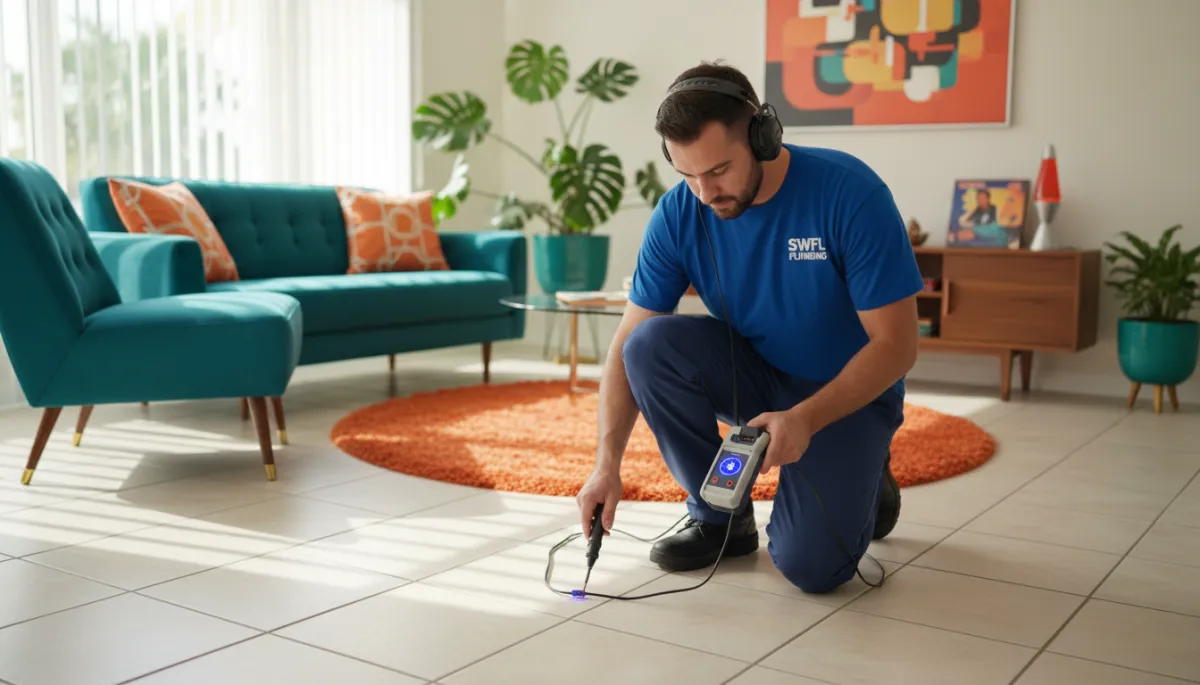
Slab leaks often signal deeper pipe problems that make a full repipe the smarter long-term fix.
While a single slab leak can sometimes be repaired in isolation, multiple slab leaks or leaks combined with other issues—like rusty water and low pressure—often point to a bigger problem: your whole piping system is deteriorating. In those cases, My Plumbing Friends frequently recommends rerouting and repiping above the slab instead of repeatedly opening the concrete and patching one section at a time.
The Special Case of Polybutylene Piping (and Why Insurance Cares)
If your home has polybutylene piping, it deserves special attention. Polybutylene was once popular because it was inexpensive and easy to install, but over time it was found to be vulnerable to chemicals commonly found in treated water. These chemicals can cause the pipe to become brittle and fail—sometimes without much warning. As a result, polybutylene has been the subject of major lawsuits and is no longer approved by most building codes for new installations.
Insurance Implications for Homes with Polybutylene
Here’s where things get especially important for Cape Coral and Fort Myers homeowners: many insurance companies see polybutylene as a high-risk material. Because of its history of leaks and water damage claims, some insurers:
Refuse to write new policies on homes that still have polybutylene piping
Charge higher premiums or add special exclusions for water damage
Require documentation that the home has been repiped before renewing coverage
⚠️ Friendly Reminder: Every insurance company is different, but if you have polybutylene in your home, it’s wise to talk with your agent. A repipe can not only protect your property, it may also help with insurability and peace of mind.
Many homeowners choose a whole-home repipe specifically to remove polybutylene piping. My Plumbing Friends regularly helps customers replace these outdated lines with modern, code-approved materials that insurers are much more comfortable with. When we complete your repipe, we can provide documentation that you can share with your insurance company or future buyers.
What a Whole-Home Repipe Actually Involves
The idea of replacing all the pipes in your house can sound overwhelming, but with an experienced team like My Plumbing Friends, the process is much more manageable than most homeowners expect. Our Whole Home Repipes service is designed to be as smooth and minimally disruptive as possible. Here’s a friendly overview of what typically happens.
1. Inspection and Planning
First, we inspect your existing system: what type of pipes you have, where they run, and what problems you’ve been experiencing. We’ll walk your home with you, answer questions, and explain your options clearly. Then we create a repipe plan tailored to your layout, choosing the best routes for new pipes and selecting appropriate materials—often PEX or CPVC, depending on your needs and local codes.
2. Protecting Your Home and Opening Access Points
On repipe day, we protect your home with drop cloths and coverings. Then, instead of tearing out entire walls, we make small, strategic openings in drywall or ceilings to access key plumbing runs. Our goal is to keep the work neat, organized, and as tidy as possible while we remove or bypass your old, failing pipes.
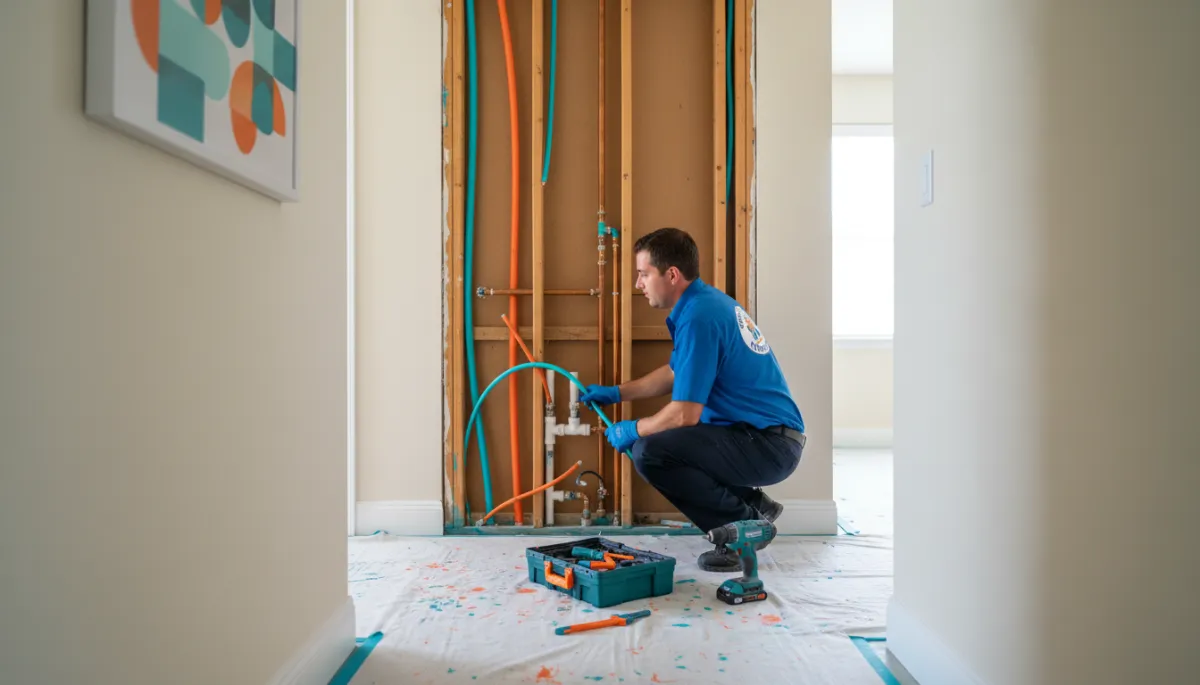
Strategic access points let pros replace old lines with minimal disruption to your home.
3. Installing New Supply Lines
Next, we run new hot and cold water lines to every fixture—sinks, toilets, showers, tubs, and appliances. Using modern materials and methods, we design the system for reliable pressure and long-term performance. In many cases, homeowners notice an immediate improvement in water pressure and temperature consistency once the new piping is in place and activated.
4. Testing, Patching, and Clean-Up
After installation, we thoroughly test the new system for leaks and performance. Once everything checks out, we patch the small wall and ceiling openings we created. Our team cleans up the work areas so you’re not left with a mess. Most whole-home repipe projects in average-sized Cape Coral and Fort Myers homes can be completed in just a few days, with water turned back on as quickly as possible each day.
💡 Friendly Insight: Many homeowners tell us they wish they’d repiped sooner. Instead of constantly worrying about the next leak, they enjoy the comfort of a modern, reliable plumbing system backed by a professional installation.
How My Plumbing Friends and Our Whole Home Repipes Service Can Help
At My Plumbing Friends, we’ve helped countless homeowners in Cape Coral, Fort Myers, and the surrounding communities move from aging, unreliable piping to strong, modern systems. Our dedicated Whole Home Repipes service page outlines our process, materials, and what you can expect when you choose us for your repipe project.
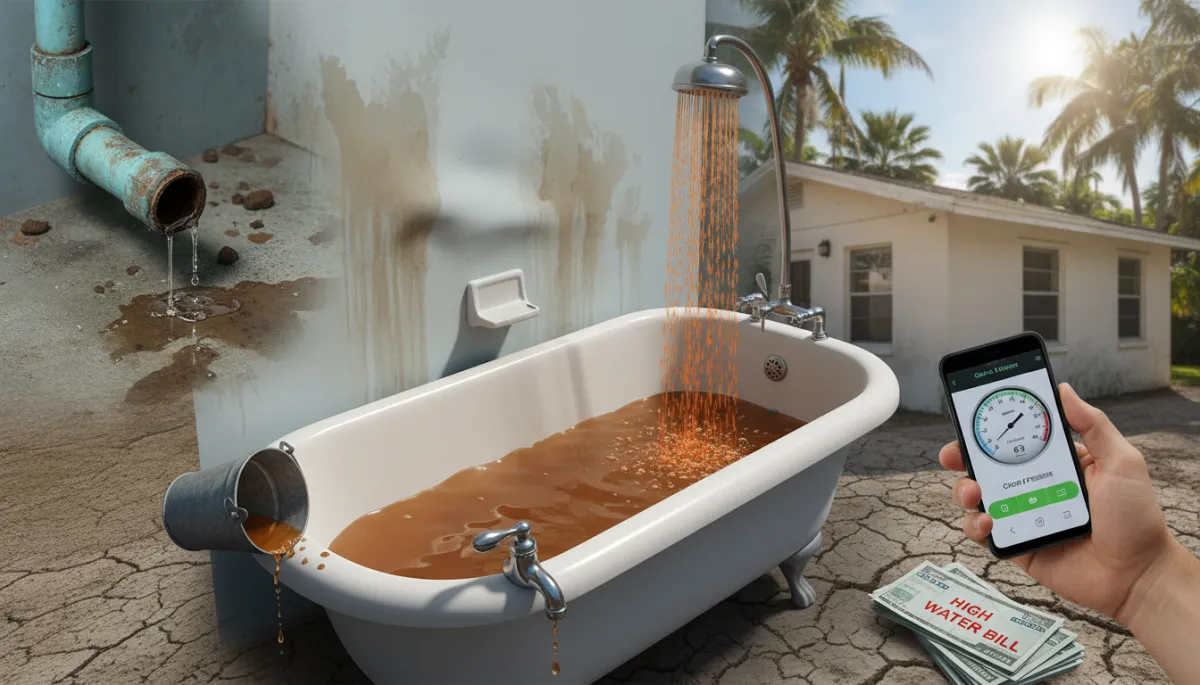
A professional repipe can protect your home, your budget, and your peace of mind for years.
When you visit our Whole Home Repipes page or call our team, we’ll walk you through:
A friendly, no-pressure assessment of your current plumbing system and pipe type
Clear explanations of whether a repipe is recommended—or if a smaller repair is enough for now
Material options and what makes the most sense for a Southwest Florida home like yours
Timelines, pricing, and what to expect day by day during the repipe process
When Is It Really Time to Repipe? A Simple Checklist
Still on the fence? Here’s a simple way to think about it. It may be time to seriously consider a repipe if:
Your home has polybutylene piping, and insurance is raising concerns or costs.
You’re seeing rusty water or discolored water on a regular basis, especially from multiple fixtures.
You’ve had recurring leaks, pinhole leaks, or slab leaks in the past few years.
Water pressure is low throughout the home, and basic repairs haven’t fixed it.
Your home is older, and the original pipes are reaching the end of their expected lifespan.
If several of these points sound familiar, a whole-home repipe could actually save you money and headaches over time. Instead of unpredictable leaks, damaged floors, and emergency calls, you get a fresh start with a modern system installed by local professionals who understand Cape Coral and Fort Myers homes inside and out.
Ready to Talk About Your Pipes?
You don’t have to wait for a major disaster to take action. If you’re noticing rusty water, low pressure, recurring leaks, or you suspect you may have polybutylene piping, now is a great time to get professional advice. The friendly team at My Plumbing Friends is here to help you understand your options, from targeted repairs to a full whole-home repipe.
Visit our Whole Home Repipes service page to learn more about our process, or give us a call to schedule an inspection. Together, we’ll figure out whether your pipes can keep going a bit longer—or whether it’s finally time to repipe and enjoy the comfort of a safer, more reliable plumbing system in your Cape Coral or Fort Myers home.
Your home is one of your biggest investments. With the right plumbing in place, you can protect it from the inside out—and enjoy clear water, strong pressure, and fewer surprises for years to come.

Facebook
Instagram