
Prevent Sewer Line Damage from Tree Roots in Florida
Plumbing, Sewer Lines, Tree Roots, Naples, Fort Myers
Sewer Line Tree Root Intrusion in Tropical Landscapes: What Southwest Florida Homeowners Need to Know
If you live in Naples, Fort Myers, or anywhere in Southwest Florida, your lush tropical yard may be quietly waging war on your sewer line. Fast‑growing trees and hedges like Ficus, Clusia, and many palms love the same thing your pipes carry—water and nutrients. In our dry winters, their roots can sniff out even the tiniest leak in older clay or cast-iron lines and turn it into a major blockage. This guide explains how tropical tree roots damage sewer lines, how to tell if your main line is clogged by roots, and how modern tools like camera inspections and trenchless pipe lining can fix the problem with minimal digging.
How Tropical Tree Roots Damage Sewer Lines in Naples and Fort Myers
In our coastal communities, many homes still rely on older clay or cast-iron sewer lines. Over time, these pipes can develop tiny cracks, loose joints, or pinhole leaks. To a thirsty tree in the middle of a dry winter, that small leak is like a dinner bell. According to national plumbing resources such as Angi and This Old House, tree roots are naturally drawn to sewer lines because they provide a constant source of moisture and nutrients.
Once a root hair finds a weak spot in the pipe, it works its way inside. At first, you may only have a few fine roots. But in Naples and Fort Myers, where growing conditions are ideal year-round, those fine roots quickly thicken and multiply. Inside the pipe, they form a tangled mat that catches toilet paper, grease, and other debris, slowly creating a stubborn clog. As the roots expand, they can also force joints apart, crack pipe walls, and cause sections of pipe to collapse.
💡 Friendly Tip: Even a hairline crack in an older clay or cast-iron pipe can be enough for roots to sneak in. In tropical yards, “small” pipe issues rarely stay small for long.
Local Root Offenders: Ficus, Clusia, and Palms in Southwest Florida
Not every plant in your landscape is equally interested in your plumbing. In Southwest Florida, a few local favorites are especially likely to cause sewer line trouble when planted too close to underground pipes.
Ficus (including ficus hedges): Ficus trees are notorious for their aggressive, far‑reaching roots. Gardening resources warn that ficus roots can lift sidewalks, crack foundations, and absolutely invade sewer lines if given the chance. In dry months, their roots actively seek out water-bearing pipes and can travel surprising distances to get there.
Clusia (pitch-apple or “privacy hedge”): Clusia is popular for its thick, glossy leaves and fast growth, especially as a living privacy wall between neighbors. While its roots are generally less aggressive than ficus, South Florida plant guides still caution against planting Clusia right over utilities. When packed tightly along a property line, those roots can still find and exploit weaknesses in sewer lines.
Palms: Many palm species have more fibrous, “non-invasive” root systems, but that doesn’t mean they’re harmless. Certain palms can spread widely, and if they are planted directly above or beside a leaking clay or cast-iron line, their roots can still enter through joints or cracks and contribute to blockages, especially over many years.
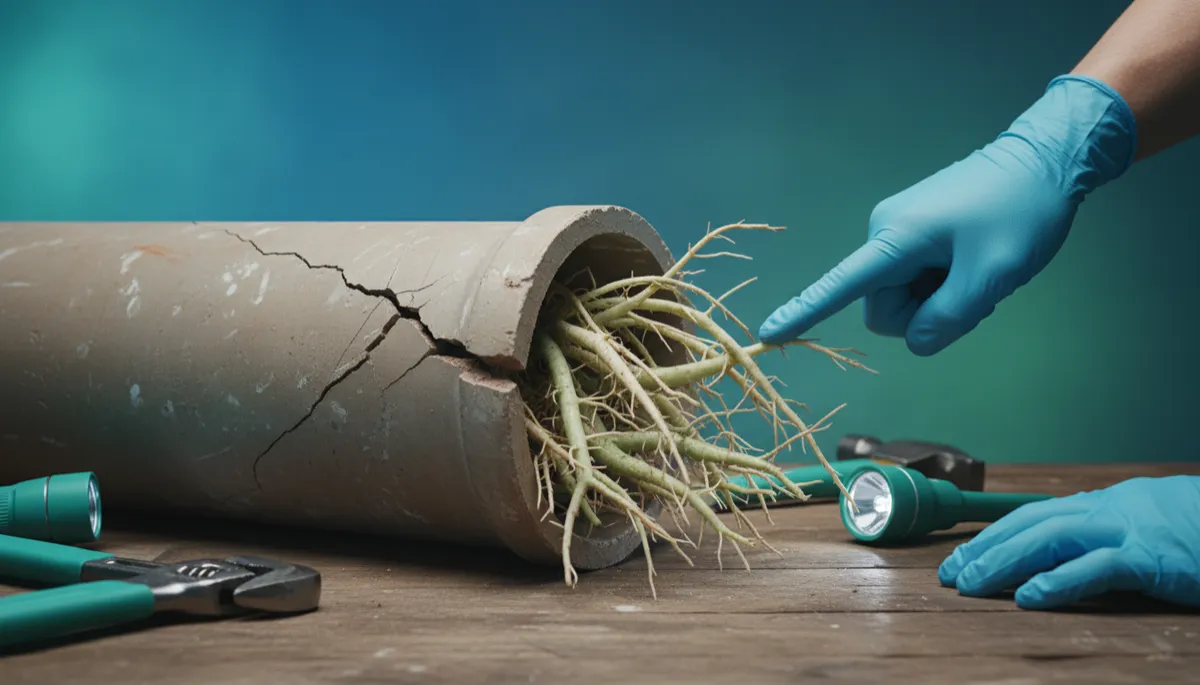
Even hairline cracks in older clay pipes can become gateways for aggressive ficus and clusia roots.
Other root-seeking vegetation to watch for in Southwest Florida includes banyan varieties, schefflera, and large hibiscus or oleander shrubs. Anything marketed as “fast-growing” or “great for privacy” deserves a second look when it’s near your sewer route. When in doubt, ask a local arborist or plumber to help map your sewer line and evaluate nearby plants before they become a problem.
How Do I Know If Tree Roots Are Clogging My Main Sewer Line in Southwest Florida?
Because sewer lines are buried, root intrusion often goes unnoticed until the symptoms are hard to ignore. The good news is that your home usually gives you several early warning signs. If you’re in Naples, Fort Myers, Cape Coral, or nearby areas, pay attention to these clues that tree roots may be clogging your main line:
Multiple drains are slow at the same time. If just one sink is slow, it’s usually a local clog. When every shower, tub, and toilet starts draining slowly, it points to a blockage deeper in the main sewer line—often from roots collecting debris.
Gurgling sounds from toilets or tubs. After you flush, do you hear bubbling or gurgling in another fixture? That can be a sign of trapped air in the line because roots and debris are partially blocking the pipe.
Sewage backups, especially on the lowest level. When the main line is severely clogged, wastewater has nowhere to go but back into the home. In Southwest Florida ranch homes, you may first see this in a shower floor drain or laundry room.
Unpleasant odors in the yard or near drains. Root-damaged pipes can leak sewage into the soil, causing foul smells, especially after heavy use or rain.
Mysteriously lush or soggy patches of lawn. If one strip of grass over your sewer path stays greener or wetter than the rest—even in dry weather—it may be soaking up nutrients from a leaking, root-filled pipe.
📌 Key Takeaway: If you notice more than one of these signs—especially in a home with large ficus, clusia, or palms near the street—schedule a professional inspection before a minor root problem turns into a full sewer backup.
Seeing Is Believing: How Camera Inspection Technology Finds Root Intrusion
In the past, plumbers had to rely on guesswork and lots of digging to find damaged sections of pipe. Today, sewer camera inspections make the process far less invasive and much more accurate. A flexible cable with a high‑resolution camera is fed through a cleanout or access point and guided through your entire main line while the plumber watches a live video feed on a screen.
For Southwest Florida homeowners, this technology is especially helpful because it can clearly show:
Where roots are entering the pipe—through joints, cracks, or collapsed sections.
How severe the intrusion is—from a few wispy roots to a complete blockage.
The overall condition of your sewer line—including corrosion, low spots, and other weak areas that may fail later.
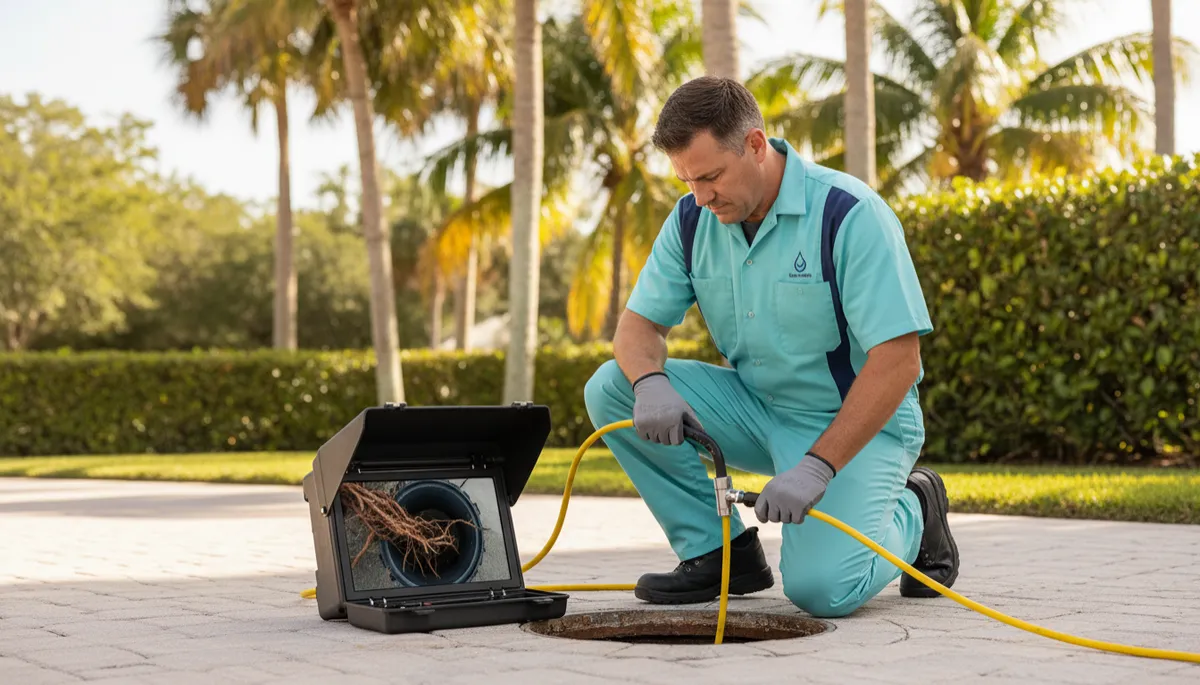
Camera inspections pinpoint exactly where tropical roots invade, avoiding unnecessary digging across your yard.
Many local plumbing companies save the video and can share it with you, so you can literally see the ficus or clusia roots wiggling through the joints. This makes it much easier to choose the right repair method and to plan future landscaping changes to protect your line.
Trenchless Pipe Lining: A Modern Solution for Root-Damaged Sewer Lines
Once roots have found their way into your sewer line, simply cutting them out with a rooter tool is usually a temporary fix. The openings that allowed roots in are still there, and in our fast-growing tropical environment, they often come back within months. That’s where trenchless pipe lining—also called cured-in-place pipe (CIPP)—comes in as a long-term solution.
With trenchless lining, a plumber inserts a flexible liner, saturated with special epoxy resin, into your existing pipe through an access point. Using air or water pressure, the liner is expanded so it presses tightly against the inside walls of the old pipe. Then it is cured (hardened), creating a new, seamless “pipe within a pipe” that seals off cracks, gaps, and joints where roots once entered. Industry reports show that modern lining materials are designed to be durable and long-lasting, often rated for decades of service.
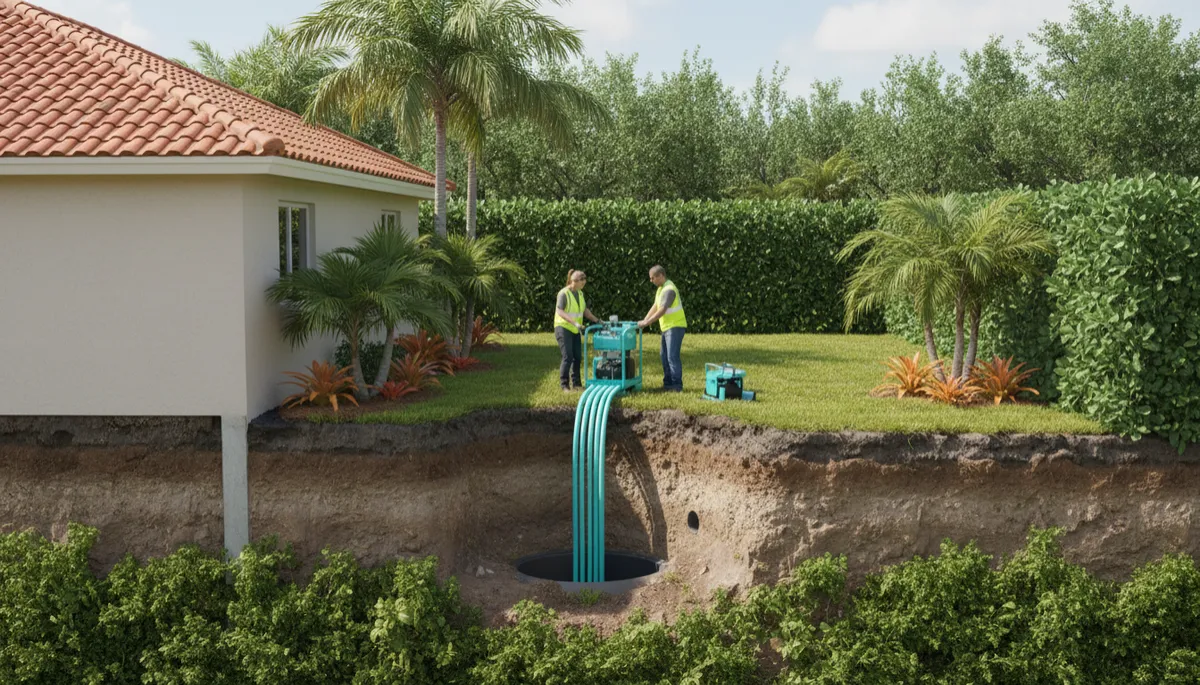
Trenchless lining repairs root-damaged pipes from the inside, preserving your ficus and palm-filled yard.
For homeowners in Naples and Fort Myers, trenchless lining offers several big advantages:
Minimal digging: Instead of tearing up driveways, lanais, or mature landscaping, most work is done through small access points.
Root-resistant: Because the new liner is seamless, there are no joints or gaps for roots to exploit, dramatically reducing the risk of future intrusion.
Fast turnaround: Many trenchless repairs can be completed in a day or two, reducing disruption to your household.
💡 Friendly Tip: Ask your plumber whether trenchless lining is suitable for your particular pipe material and layout. In many older clay or cast-iron systems, it’s an excellent alternative to full excavation.
Preventing Future Root Problems in Your Tropical Landscape
Once you’ve dealt with a root-clogged sewer line, you’ll probably never want to repeat the experience. Fortunately, a few smart choices can greatly reduce the chance of future issues, even if you love your ficus, clusia, and palms:
Know where your sewer line runs. Your plumber or local utility can often provide a layout. Avoid planting thirsty, fast-growing trees directly above or beside that path.
Use root barriers where needed. Physical barriers placed between new plantings and the sewer route can help redirect roots downward or away from pipes.
Schedule regular maintenance. Periodic camera inspections and cleanings can catch early root intrusion before it leads to backups or pipe failure.
Consider less aggressive species. When updating your landscape, talk with a local nursery or arborist about trees and shrubs with gentler root systems that still provide shade and privacy.
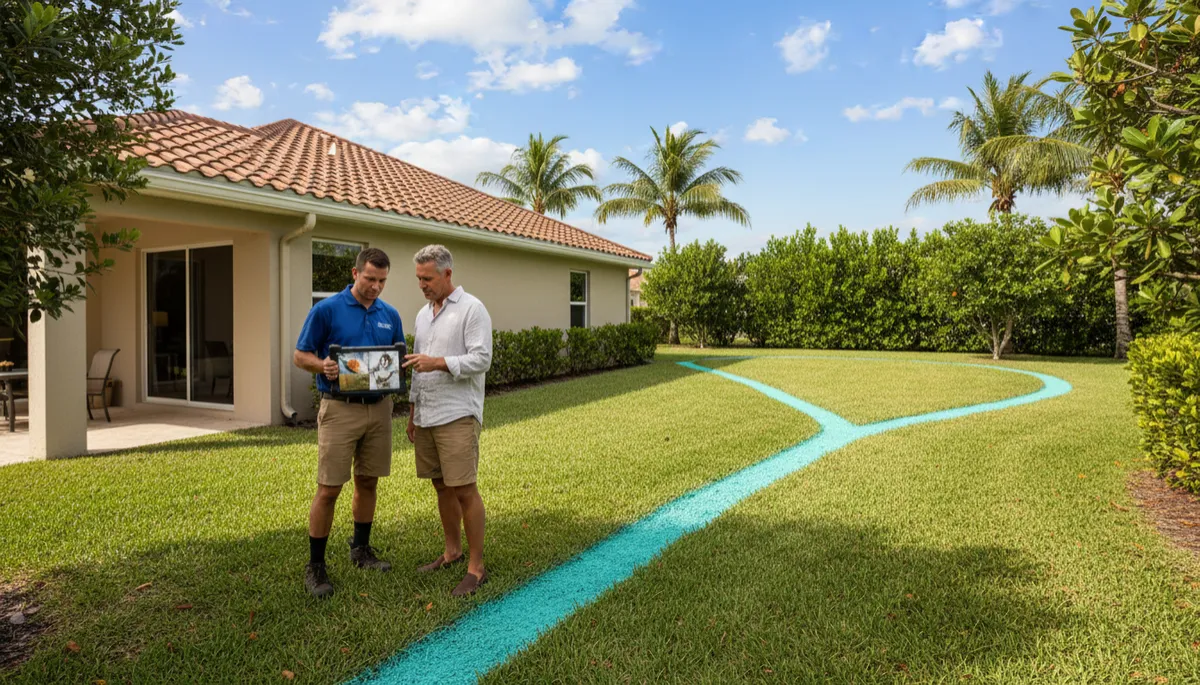
Mapping your sewer route helps you enjoy lush tropical landscaping without inviting root damage.
Bringing It All Together: Protecting Your Home and Your Tropical Oasis
Your Naples or Fort Myers home doesn’t have to choose between beautiful tropical landscaping and a healthy sewer system. By understanding how fast-growing local flora like ficus, clusia, and palms behave, watching for early warning signs of clogs, and taking advantage of modern tools like camera inspections and trenchless pipe lining, you can enjoy both a vibrant yard and worry-free plumbing.
If you’re noticing slow drains, gurgling toilets, or suspiciously lush patches of grass along your sewer route, don’t wait for a full backup. Reach out to a trusted local plumber, ask about a camera inspection, and discuss whether trenchless lining or other root control methods make sense for your home. A little attention now can save you from messy, expensive surprises later—while keeping your Southwest Florida landscape as green and gorgeous as ever.

Facebook
Instagram