Protect SWFL Homes: Sewer Backwater Valve Guide
Home Maintenance, Plumbing, Flood Protection
How a Sewer Backwater Valve Protects Flood-Prone SWFL Homes
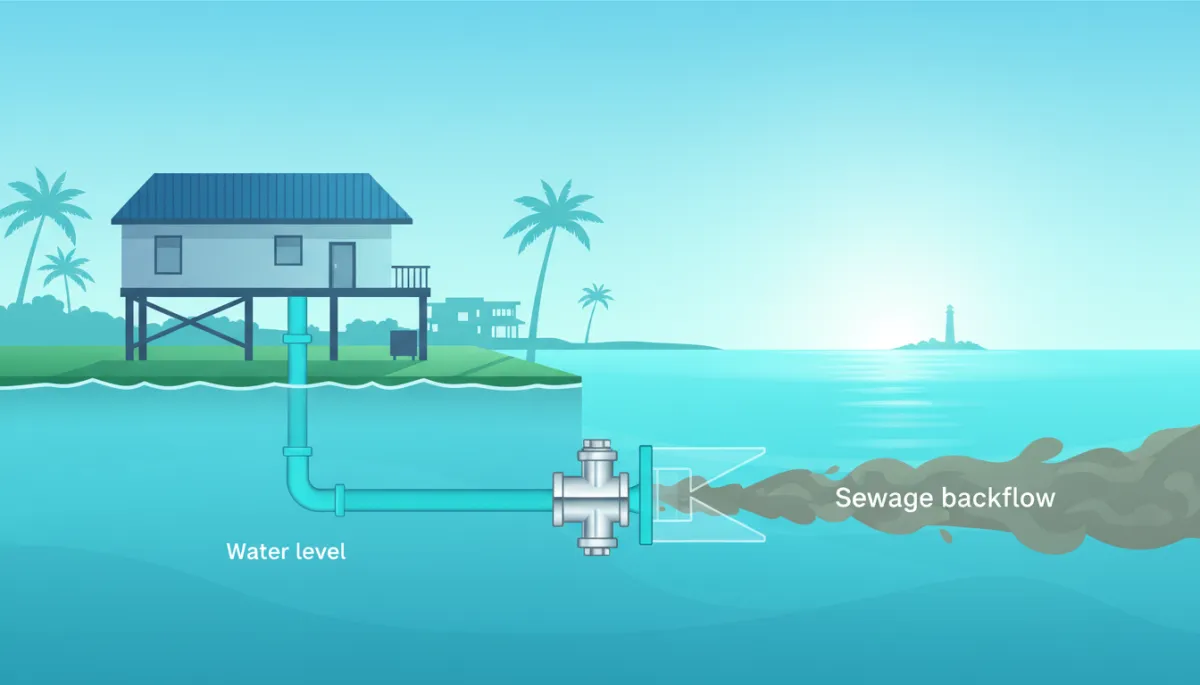
If you live in Southwest Florida—especially in coastal communities like Sanibel, Fort Myers Beach, or Naples—you already know water can be both a blessing and a headache. One of the least pleasant surprises after a heavy rain, king tide, or storm surge is sewage backing up into your home. A simple device called a backwater valve can be the quiet hero that keeps that from happening.
What Is a Backwater Valve and Do I Need One in Florida?
Let’s start with the big question: what is a backwater valve and do I need one in FL? In simple terms, a backwater valve is a one-way gate installed in your home’s main sewer line. It allows wastewater from your house to flow out to the city sewer, but if sewage ever tries to flow the wrong way—back toward your home—the valve automatically closes and blocks it.
In many parts of Florida, especially flood-prone and low-lying areas in Southwest Florida, a backwater valve is not just a “nice to have.” It can be the difference between a dry home and a disaster of contaminated water in your showers, toilets, and tubs. While building codes and requirements vary by city and county, homeowners in places with high water tables and frequent flooding have strong practical reasons to install one, even if it’s not strictly mandated yet for their property.
💡 Friendly Tip: If your home sits lower than the street or has a finished basement or lower level, you’re at higher risk for sewer backflow and are an especially good candidate for a backwater valve.
The Engineering Basics: How a Backwater Valve Works
From an engineering perspective, a backwater valve is a check valve designed specifically for building sewer lines. It’s installed in the main drain pipe that carries wastewater from your home to the municipal sewer or septic system. Inside the valve body, there’s a hinged flap or gate that moves freely with normal flow but snaps shut when pressure reverses.
During normal use—when you flush a toilet, run a shower, or use the dishwasher—wastewater flows by gravity out of your home. The valve’s flap lifts easily, offering minimal resistance so everything drains smoothly.
If the city sewer becomes overloaded and sewage tries to push back toward your home, the reverse pressure forces the flap down into a closed position. Some designs use buoyant floats to help the flap seal more quickly and tightly.
The goal is simple but powerful: let everything out, let nothing back in. Because the valve is passive—no electricity or manual operation required—it’s reliable even during storms and power outages, which are common in Florida’s rainy and hurricane seasons.
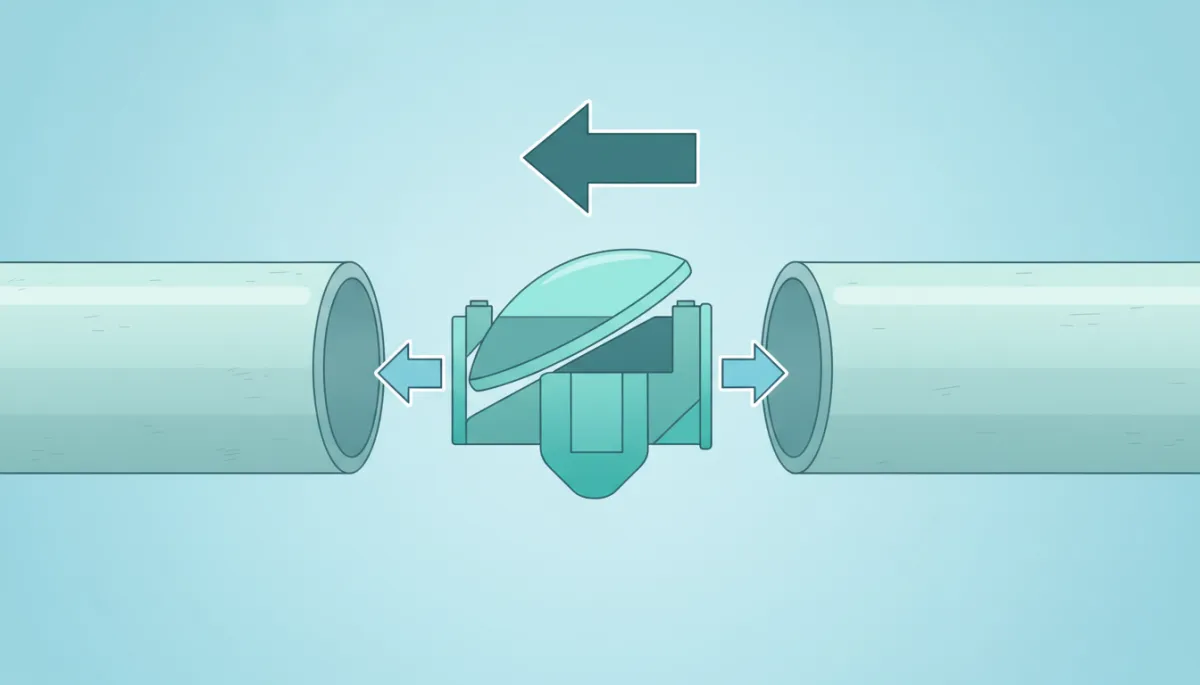
A simple internal flap creates a one-way gate that blocks reverse sewage flow.
How Plumbing Mechanisms Prevent External Sewage Backflow
Your home already uses several plumbing mechanisms to keep wastewater moving in the right direction. A backwater valve is one part of a coordinated system designed to prevent external sewage backflow, especially when the municipal system is under stress.
Gravity-fed drainage: Most homes in SWFL rely on gravity for drainage. Pipes slope downward from fixtures to the main sewer line, encouraging waste to move away from the house naturally.
Traps and vents: P-traps under sinks and floor drains hold water, creating a seal that blocks sewer gases. Vent pipes allow air into the system so wastewater flows smoothly without creating vacuum or pressure spikes.
Backwater valves: Installed on the main building drain, the valve becomes the last line of defense, stopping any surge coming from the city side before it can reach your lowest fixtures.
When all of these components are correctly designed and maintained, they form a robust system. But in coastal cities with extreme weather and high water tables, gravity and venting alone may not be enough. That’s where a backwater valve becomes especially important.
Why Gravity-Fed Sewers Are Vulnerable in High-Water-Table Coastal Cities
Cities like Sanibel, Fort Myers Beach, and Naples rely heavily on gravity-fed sewer systems. Under normal conditions, this is efficient and cost-effective: wastewater flows from higher elevations to lower ones, eventually reaching treatment plants. But in high-water-table coastal environments, several factors make these systems vulnerable to backflow.
High Water Tables and Saturated Ground
Southwest Florida’s sandy soils and shallow water tables mean that after heavy rain or storm surge, the ground quickly becomes saturated. When the soil around buried sewer pipes is full of water, external pressure on the pipes increases. Any small cracks, joints, or aging infrastructure can allow groundwater to infiltrate, filling sewer lines faster than they were designed to handle.
Storm Surge and Tidal Influences
In barrier island communities like Sanibel and Fort Myers Beach, storm surge and king tides can push seawater into storm drains and, in some cases, into sewer systems. When sea level temporarily rises, the “downhill” direction of a gravity-fed sewer can effectively reverse at low points, driving water—and sewage—back toward homes instead of away from them.
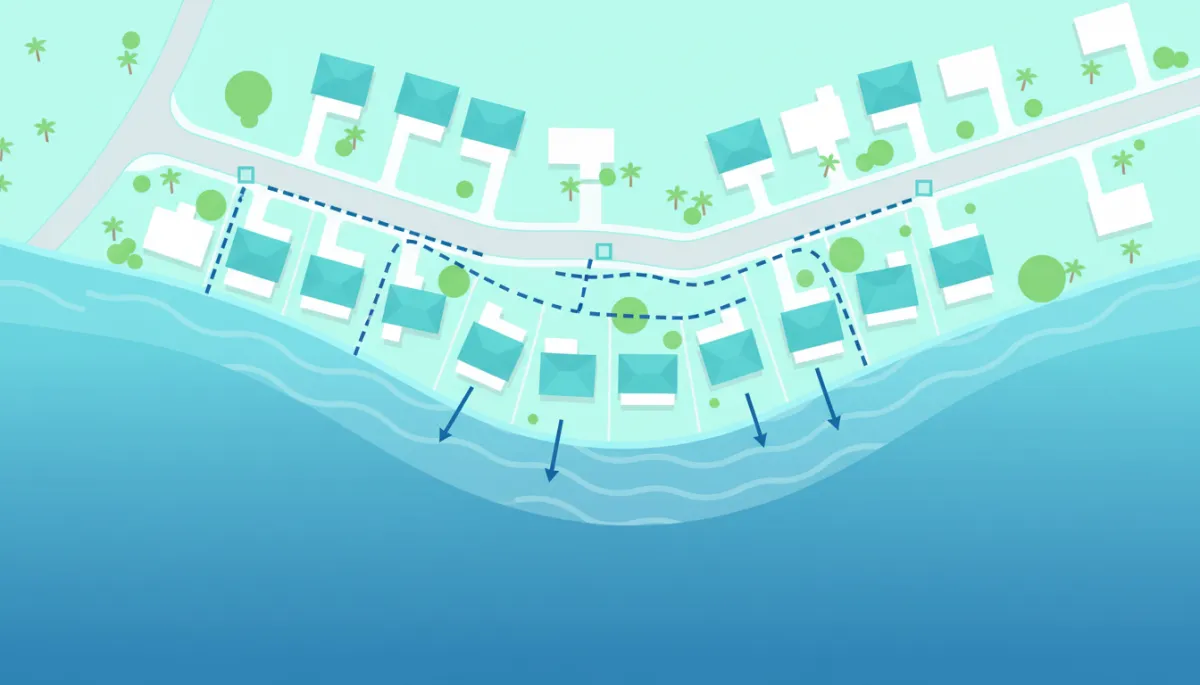
Low-lying homes near the coast face higher risk when sewer levels rise.
Low-Elevation Homes and Older Infrastructure
Many homes in Naples and surrounding areas were built before today’s floodplain standards. These houses may sit closer to street level, or even below the elevation of the nearest manhole. In a heavy rain event, sewer mains can become surcharged—completely full of water. When that happens, the water will follow the path of least resistance, and unfortunately, that can be right into the floor drains and lower-level toilets of the lowest homes on the line.
This combination—high water tables, coastal flooding, and older gravity-fed systems—makes SWFL communities particularly prone to sewer backflow events. A backwater valve is designed specifically to counter this kind of pressure reversal at the individual home level.
Real-World Protection for Sanibel, Fort Myers Beach, and Naples Homes
So how does this play out in everyday life for SWFL homeowners?
On Sanibel, a strong storm may push Gulf water into streets and drains. As municipal crews work to manage the surge, sewer levels can temporarily spike. A home with a backwater valve will have its main line sealed off from any reverse flow, even if the street manhole is overflowing.
On Fort Myers Beach, where many homes are elevated but ground-level areas still house laundry rooms or storage with floor drains, a backwater valve can prevent contaminated water from erupting through those lower fixtures during extreme high tides or infrastructure overloads.
In Naples, intense summer thunderstorms can drop inches of rain in an hour. When combined with already-elevated groundwater, the city sewer network can be pushed to its limits. A backwater valve gives individual homeowners an extra safety barrier, even if the public system is temporarily overwhelmed.
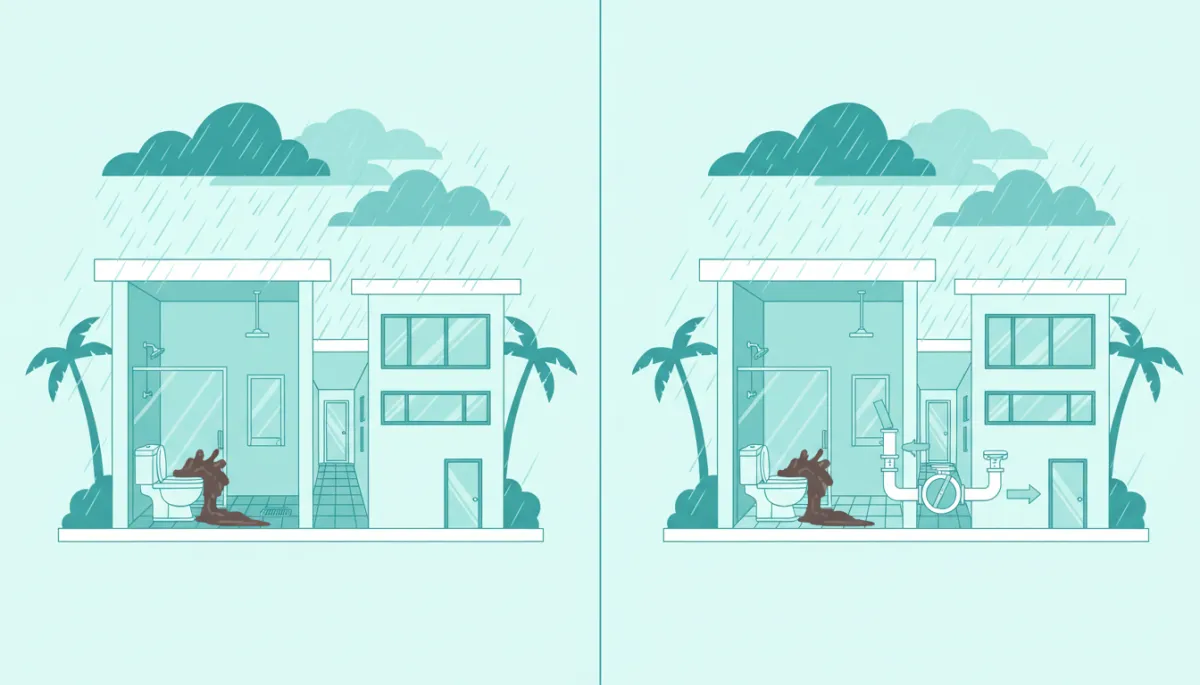
Homes with backwater valves stay protected even when sewers are overloaded.
Do You Personally Need a Backwater Valve in SWFL?
Coming back to the original question—what is a backwater valve and do I need one in FL?—the answer depends on your home’s specific risk, but many Southwest Florida properties fall into the “strongly recommended” category. You should seriously consider a backwater valve if:
Your home is in a known flood zone or has experienced street flooding or ponding in the past.
You have plumbing fixtures at or below street level, such as ground-floor showers, laundry rooms, or lower-level bathrooms.
Your neighborhood has older sewer infrastructure or you’ve heard about neighbors experiencing sewer backups during storms.
💡 Friendly Tip: Talk with a licensed local plumber who understands Sanibel, Fort Myers Beach, or Naples conditions. They can inspect your drain layout and tell you exactly where a backwater valve should go and whether local codes or insurance incentives apply.
Installation, Maintenance, and Peace of Mind
Professionally installing a backwater valve usually involves exposing a section of your main sewer line—often just outside the home or in a utility area—cutting the pipe, and inserting the valve body with proper slope and access. Many valves include a removable cover at ground level so they can be inspected and cleaned periodically.
Maintenance is straightforward: a quick visual check every year or after major storms to ensure the flap moves freely and no debris or grease is preventing it from sealing. A friendly reminder from your plumber or an annual home-maintenance checklist can help you stay on top of it.
For many SWFL homeowners, that small bit of effort is worth the huge peace of mind. Instead of worrying every time the forecast calls for heavy rain or a tropical system, you’ll know there’s a dedicated device in your plumbing system whose entire job is to keep other people’s sewage out of your home.
Final Thoughts: A Small Device with Big Protection
Living in Southwest Florida means embracing waterfront views, sea breezes, and tropical weather—but it also means planning for flooding and high water. A backwater valve is a simple, engineered solution that fits right into your existing plumbing system and stands guard whenever local sewers are pushed beyond their limits.
By understanding how gravity-fed sewers behave in high-water-table coastal cities like Sanibel, Fort Myers Beach, and Naples, you can make smarter choices to protect your home. If you’re unsure about your risk, a friendly conversation with a trusted local plumber is the perfect next step. With the right valve in the right place, you can enjoy Florida living—without the fear of an unexpected sewage surprise in your bathroom.


Facebook
Instagram