
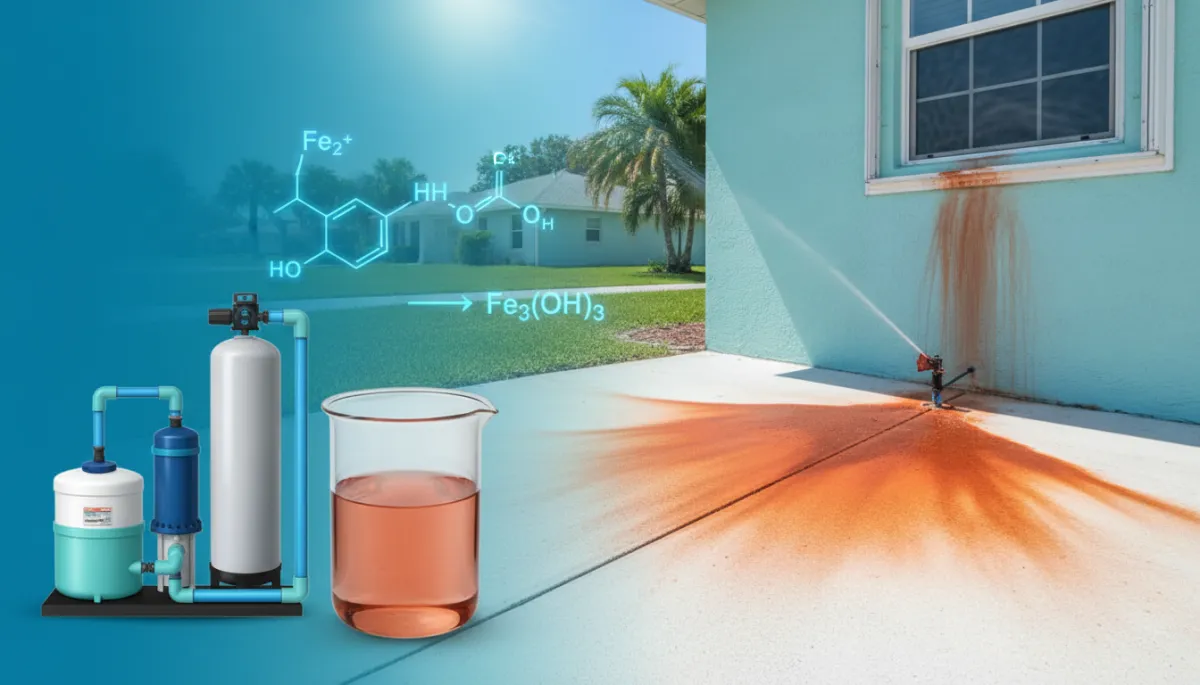
Remove Iron Stains from SWFL Well Water Driveways
Home Care, Well Water, Iron Stain Removal
Why Well Water Turns SWFL Driveways Orange (And How to Get Rid of Iron Stains)
If you live in Southwest Florida and your “white” driveway now looks like a rusty zebra, you’re not alone. Those stubborn orange streaks on concrete, stucco, and pool decks almost always trace back to one thing: iron in your well water. Let’s walk through what’s really going on, why it’s so common in SWFL, and how to get rid of iron stains from well water in Florida for good—not just today, but long term.
The Orange Mystery: What You’re Really Seeing on Your Driveway
Let’s start with the symptom: orange, rusty-looking stains fanning out wherever your sprinklers hit—driveways, sidewalks, garage doors, even the side of your house. Sometimes they look brownish, sometimes almost red, and they usually appear in the same pattern as your irrigation spray. That’s your first clue this isn’t just “dirty concrete”; it’s a chemical reaction happening right on the surface.
In most SWFL neighborhoods on private wells or community wells, irrigation systems pull water from shallow aquifers. Those aquifers naturally contain iron. When that iron-rich water hits air and sun on your driveway, it changes form and leaves behind that familiar orange stain—essentially, a thin layer of rust bonded to concrete, pavers, or stucco.
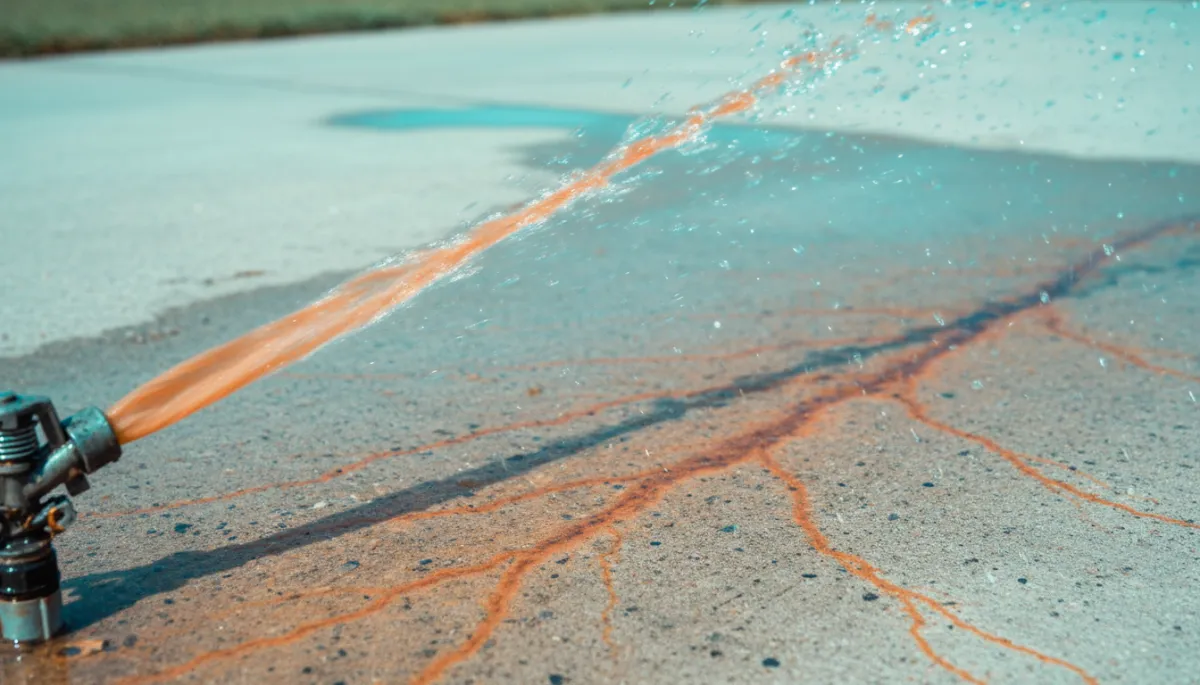
Orange stripes that match your sprinkler pattern almost always point to iron in well water.
The Science Behind the Stains: Ferrous vs. Ferric Iron
To really solve the problem, it helps to know what’s happening at the chemical level. In your well, most of the iron is in a form called ferrous iron. This is often called “clear water iron” because it’s dissolved—your water can look perfectly clear as it comes out of the ground, even with high iron levels.
The moment that ferrous iron is exposed to oxygen—like when it sprays through your irrigation system—it reacts with the air and turns into ferric iron, which is basically tiny rust particles. Ferric iron isn’t dissolved; it’s a solid. Those microscopic rust particles land on your driveway, house, and pool cage, then dry and bond to the surface. Over time, layer after layer builds up into the deep orange stains you see.
💡 Friendly Tip: If your sprinklers run at night, you might not see the iron right away. The stains slowly appear as the water dries and oxidizes in the morning sun.
How to Get Rid of Existing Iron Stains on Driveways and Houses
Before we talk about long-term fixes, let’s tackle what’s already there. If you search “how to get rid of iron stains from well water FL,” you’ll find a mix of home remedies and professional products. Many of them can work well if you use them safely and correctly.
1. Oxalic Acid and Commercial Rust Removers
For tough, set-in stains on concrete or pavers, oxalic acid cleaners and commercial rust removers are often the most effective. Products based on oxalic acid are widely recommended for concrete rust removal and are commonly used by professional cleaners. Brands like Iron OUT or CLR (reviewed by home sites such as BobVila.com) are designed specifically to break down rust and iron deposits so they can be rinsed away.
Wet the stained area so the cleaner doesn’t soak in too fast.
Apply the rust remover or oxalic acid solution according to the label.
Let it sit for 5–10 minutes (or as directed), keeping it wet.
Scrub with a stiff brush for stubborn spots.
Rinse thoroughly with plenty of clean water.
2. Gentler Options: Vinegar, Lemon Juice, and Baking Soda
For lighter stains, or on more delicate surfaces like painted stucco, you can start with milder acids such as white vinegar or lemon juice. These act as natural rust removers by dissolving some of the iron. A paste of baking soda and water can also help lift light discoloration, especially when combined with gentle scrubbing and a good rinse.
3. Pressure Washing (With Care)
A pressure washer can remove surface dirt and some of the looser iron staining, especially when used with a rust-removal detergent. Just be careful with pressure on stucco, paint, and soft pavers—you want to remove the stain, not the surface itself.
⚠️ Safety Reminder: Always wear gloves and eye protection when using acids or commercial rust removers, and test a small hidden area first to make sure you don’t etch or discolor the surface.
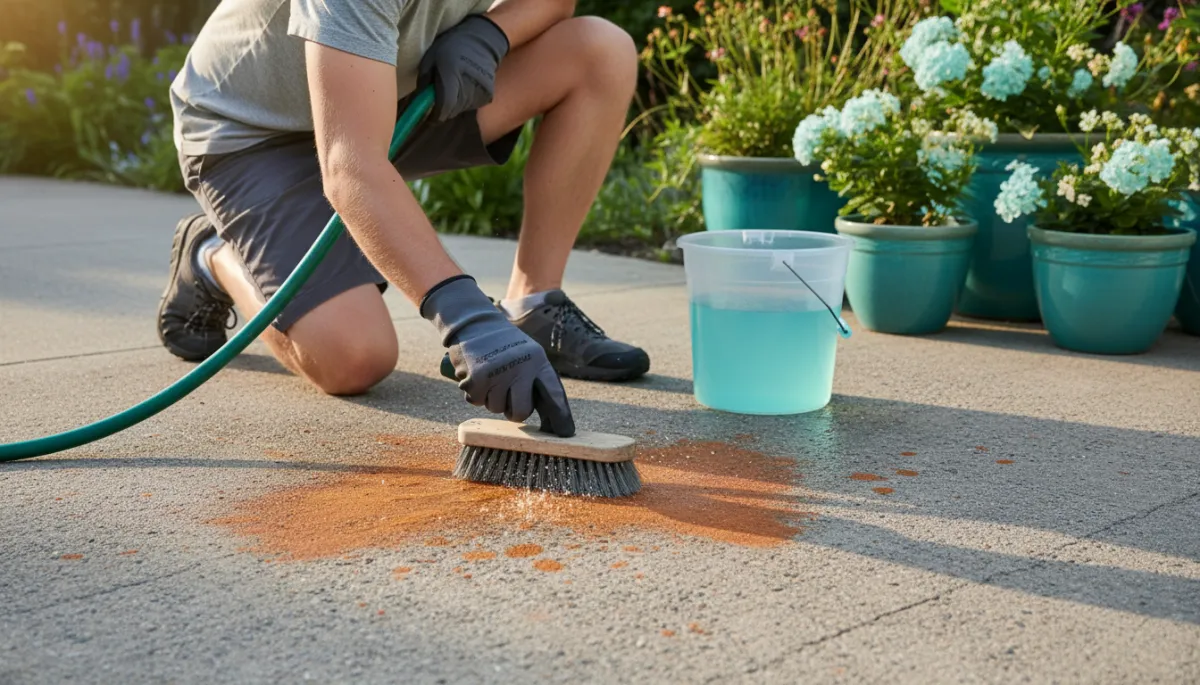
Cleaning works, but without water treatment those orange stains eventually come right back.
Cause and Cure: Stopping Iron Stains at the Source
Scrubbing the driveway is the bandage. The cure is to keep iron from ever reaching your sprinklers and hose bibs in the first place. That’s where water testing and treatment come in—especially important in SWFL, where shallow wells commonly exceed Florida’s aesthetic iron guideline of 0.3 mg/L by several times or more, according to state drinking water references.
The right solution depends on:
How much iron you have (in parts per million or mg/L)
Whether it’s mostly ferrous (clear water) or ferric (already rusty) iron
If you also have manganese or that rotten-egg sulfur smell
Your well’s pH and overall water chemistry
Mechanical Solutions: Iron Filters That Work for SWFL Wells
Mechanical filtration is often the most homeowner-friendly way to manage iron in well water. These systems are installed on the plumbing line feeding your irrigation or whole house and quietly treat the water before it ever hits your driveway or stucco.
Air Injection Oxidation (AIO) Iron Filters
One of the most popular options in 2026 for SWFL is the air injection oxidation (AIO) filter. Systems like the SpringWell WS or SoftPro Iron Master create a pocket of air inside the tank. As your well water flows through, the air oxidizes ferrous iron into ferric iron, which is then trapped by a special media bed. The system backwashes itself automatically, flushing the iron out to a drain.
Great for iron levels up to about 6–7 ppm, plus some manganese and sulfur.
Typically chemical-free—no regular chlorine or peroxide to add.
Ideal for SWFL’s warm climate and common “iron plus sulfur” well profiles.
Greensand and Catalytic Carbon Filters
For moderate iron (around 3 ppm) and some sulfur, catalytic carbon or greensand filters are another option. Systems like Pentair’s catalytic carbon units can handle modest iron levels with relatively simple maintenance. Greensand filters can take on higher iron and manganese but need periodic regeneration with potassium permanganate, a purple oxidizing chemical.
Combo Systems: Water Softener + Iron Resin
Many SWFL wells are both hard and iron-rich. In that case, a combination softener with fine-mesh iron resin, like the Iron Pro 2 style systems, can be a smart space-saving choice. These units soften the water and capture low-to-moderate levels of ferrous iron at the same time, then regenerate with salt.
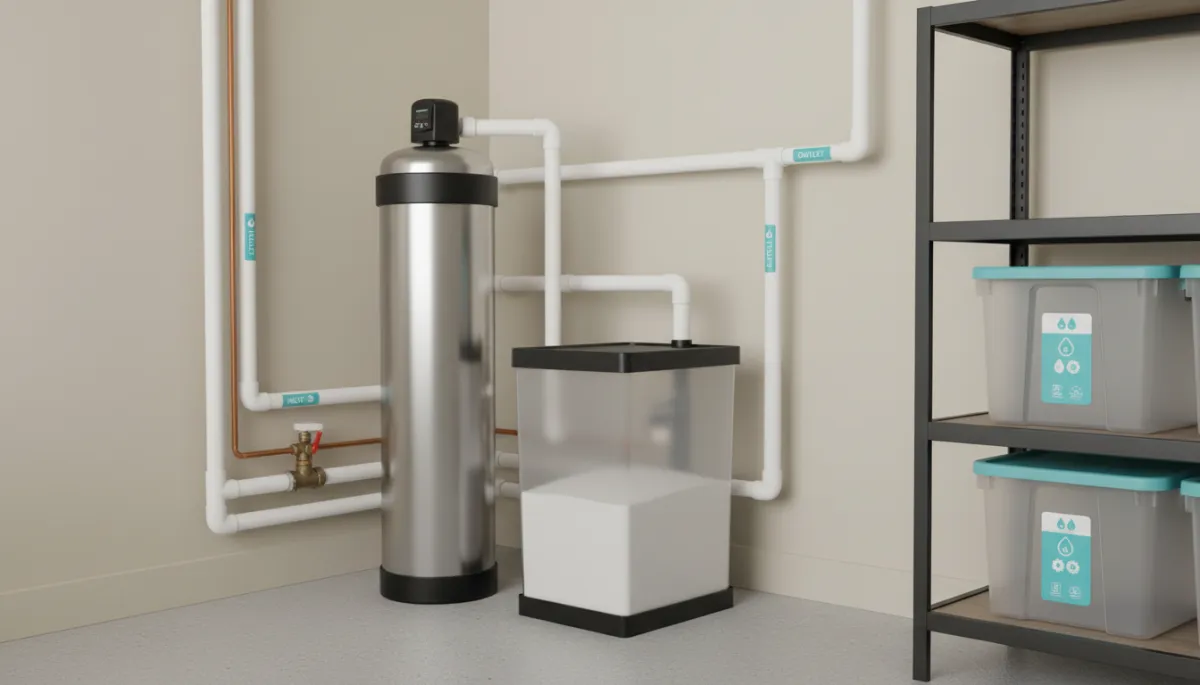
A properly sized iron filter can stop staining before it ever reaches your sprinklers.
Chemical Feed Pumps and Advanced Treatment Options
In some SWFL wells, iron levels are so high—or iron bacteria are present—that mechanical filters alone aren’t enough. That’s when chemical feed pumps and more advanced water treatment steps come into play. These systems inject a controlled amount of chemical into the water line before filtration, setting up the iron for easier removal.
Oxidizing Agents: Chlorine, Hydrogen Peroxide, and Potassium Permanganate
A chemical feed pump can dose:
Chlorine – oxidizes iron and kills iron bacteria; often followed by a contact tank and carbon filter to remove excess chlorine and byproducts.
Hydrogen peroxide – a powerful oxidizer that converts iron into filterable particles without leaving a chlorine taste or odor.
Potassium permanganate – often used with greensand media to regenerate its ability to remove iron and manganese.
These oxidizing chemicals do the heavy lifting of transforming dissolved ferrous iron into a solid that your filter can catch. For very high iron (10–15 ppm or more) or confirmed iron bacteria, many professionals recommend a combination of chlorination plus filtration: dose, let the water sit in a contact tank, then filter out the iron and chlorine.
Chelating and Sequestering Agents
Another chemical strategy uses chelating agents like EDTA or more eco-friendly options such as citric acid, along with polyphosphates. These don’t remove iron; instead, they bind to it or keep it dissolved so it’s less likely to form stains. They’re more common in point-of-use or specialty applications and are best used under guidance from a water treatment professional, since they need to be carefully dosed and monitored.
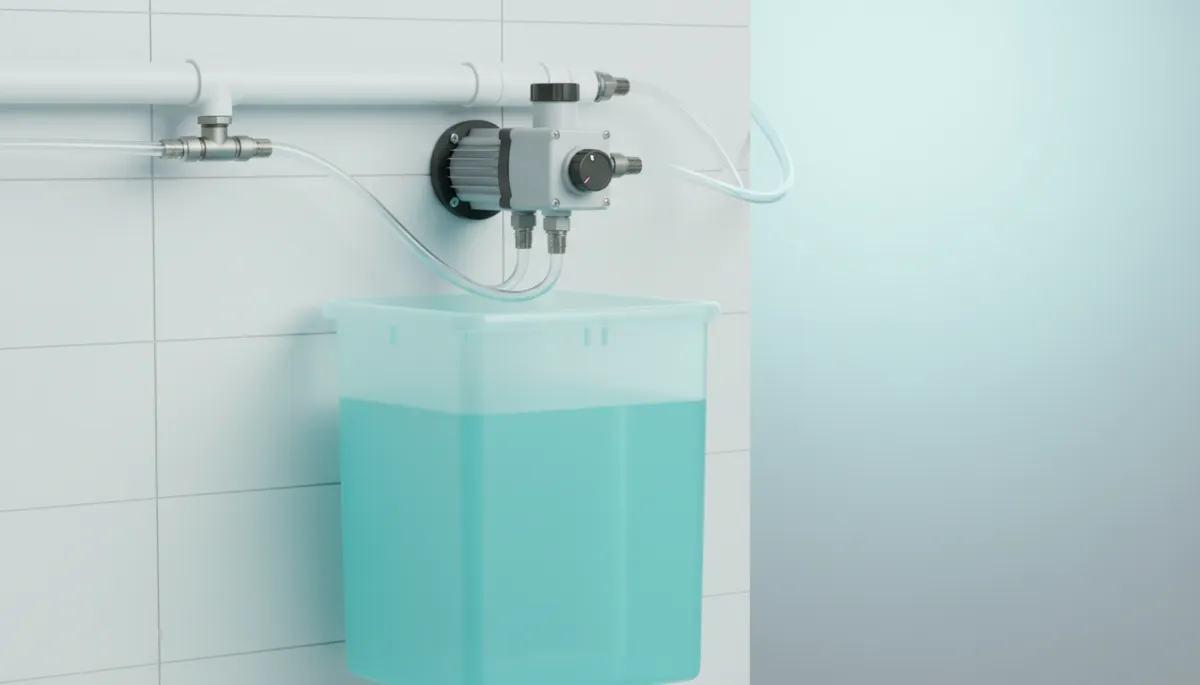
Chemical feed pumps add precise doses of oxidizers so filters can capture iron efficiently.
Putting It All Together: A Simple Plan for SWFL Homeowners
If you’re tired of orange stripes on your driveway and house, here’s a friendly, step-by-step way to move forward:
Test your water. Get a full well water analysis that includes iron type and level, manganese, sulfur, pH, and bacteria. This guides every other decision.
Clean existing stains. Use appropriate rust removers, mild acids, or professional cleaning to reset your driveway and exterior surfaces.
Choose the right treatment. For most SWFL homes: AIO iron filters work well up to moderate iron; combo softener/iron systems are great when hardness is also an issue; and chlorination plus filtration is best for very high iron or iron bacteria.
Size and install correctly. Make sure your system matches your home’s flow rate and irrigation needs, and consider a sediment pre-filter and pH adjustment if your water is acidic.
Maintain it. Backwash cycles, media replacement, and chemical refills (if used) keep your system working and your driveway bright.
The bottom line: those orange stains are your well water’s way of waving a flag and saying, “There’s iron here!” Once you understand that the visual symptom is tied directly to ferrous iron turning into ferric rust, it’s much easier to choose a smart, long-term cure. With the right combination of cleaning, mechanical filtration, and (when needed) chemical treatment, you can enjoy green grass, clear sprinklers, and a clean, stain-free SWFL home exterior—without the constant battle against orange.


Facebook
Instagram