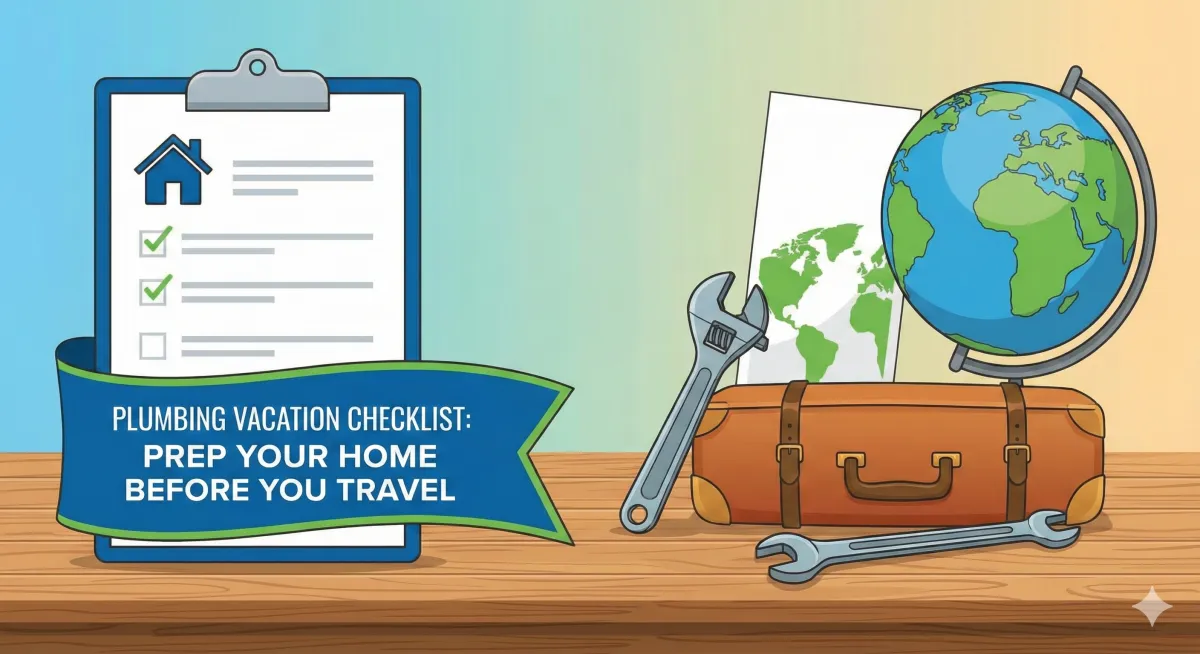
The "Vacation Mode" Checklist: Preparing Your Plumbing Before You Travel
You’ve packed your bags, double-checked your flight times, and arranged for a neighbor to feed the cat. But have you thought about your pipes?
For many homeowners, the excitement of a getaway is ruined by the nightmare of coming home to a flooded basement or a burst pipe. In fact, water damage is one of the most common insurance claims filed by homeowners while away. The good news? It is almost entirely preventable.
Whether you are leaving for a long weekend or escaping south for the winter, taking a few minutes to prep your plumbing can save you thousands of dollars in repairs. This guide provides a definitive checklist to "vacation-proof" your home’s plumbing so you can relax with total peace of mind.
1. The Golden Rule: Turn Off the Main Water Supply
If you do only one thing on this list, make it this one.
The safest way to protect your home while you are away is to shut off the main water supply. If a pipe bursts or a washer hose fails while the water is off, the damage is limited to the water remaining in the pipes. If the water is left on, water will run continuously until you return—potentially dumping thousands of gallons into your home.
How to do it:
Locate your main shut-off valve (usually in the basement, garage, or near the street).
Turn the valve clockwise (or perpendicular to the pipe for lever handles) to close it.
Briefly open a faucet on the lowest floor of your home to relieve pressure in the lines.
Pro Tip: If your main valve is stuck or rusted, do not force it. This is a sign you need a professional replacement before you travel.
2. Adjust Your Water Heater to "Vacation Mode"
There is no reason to pay to heat water that no one is using. Most modern water heaters have specific settings designed to save energy while you are away without shutting the unit down completely (which can sometimes make restarting it difficult).
Gas Water Heaters: Look for the dial on the control valve. Turn it to "VAC" or "Vacation." This keeps the pilot light on and the water just warm enough to prevent the tank from freezing, but cool enough to save significant energy.
Electric Water Heaters: You can often flip the breaker switch for the water heater at your electrical panel.
Tankless Units: simply unplugging the unit or turning it off at the panel is usually sufficient.
If you aren't sure how your specific model works, a professional water heater inspection can help identify the right settings and ensure your unit is safe to leave unattended.
3. Prevent the "Sewer Smell" (The Dry Trap Problem)
Have you ever returned from a trip to find a foul, sewage-like odor in your bathroom? This usually happens because the water in your "P-traps" (the U-shaped pipe under sinks and drains) has evaporated. That water acts as a barrier, stopping sewer gases from rising into your home.
The Fix:
Before you leave, run water for 30 seconds in every drain, including guest showers, basement sinks, and laundry tubs.
For long trips (1 month+): Pour a small amount of cooking oil or specialized biodegradable drain fluid into the drains. This floats on top of the water seal and slows down evaporation significantly.
4. Addressing the Garbage Disposal
A garbage disposal containing trapped food particles is a breeding ground for bacteria. If left to sit for a week in a warm house, it will smell terrible when you return.
Cleaning Checklist:
Run the disposal with hot water.
Pour a mixture of baking soda and vinegar down the drain to break down organic buildup.
Flush thoroughly with water.
Do not put chemical bleach down the disposal, as it can damage the seals and internal components.
5. Check Your Sump Pump
If you live in an area prone to rain or have a high water table, your sump pump is your home’s last line of defense against flooding. A power outage during a storm while you are away can be disastrous.
Testing Steps:
Pour a bucket of water into the sump pit.
Watch to ensure the float rises and the pump activates immediately.
Listen for any strange grinding noises.
If you travel frequently, we highly recommend installing a battery backup system. This ensures that even if the neighborhood loses power, your basement stays dry. If you suspect your pump is aging, consider scheduling a sump pump maintenance check before your trip.
6. Smart Tech for Frequent Travelers
If you travel often, 2025 is the year to invest in a smart water leak detector. These devices connect to your Wi-Fi and send an alert to your phone the moment they detect moisture.
High-end models (like the Moen Flo or Phyn) can even automatically shut off your main water valve if they detect a major leak, protecting your home even if you are on a different continent.
Conclusion
Coming home should be the best part of your trip, not the start of a plumbing project. By spending 20 minutes going through this checklist, you protect your property from water damage, save money on energy bills, and ensure your plumbing system is ready to work when you walk back through the door.
Whether it's a simple valve check or installing a new smart shut-off system, a little prevention goes a long way.
Leaving town soon? Don't leave your home unprotected.
If you couldn't locate your main shut-off valve, or if your water heater is making strange noises, let us handle it before you go.
Ensure your home is safe while you're away. Schedule a Pre-Vacation Plumbing Safety Inspection with MyPlumbingFriends today. We’ll check your valves, pumps, and heaters so you can travel with zero worries.

Facebook
Instagram