Prepare Plumbing for Southwest Florida Hurricanes
Hurricane Plumbing, Sewer Backflow Prevention, Storm Surge Safety
How to Prepare Your Home’s Plumbing for a Southwest Florida Hurricane
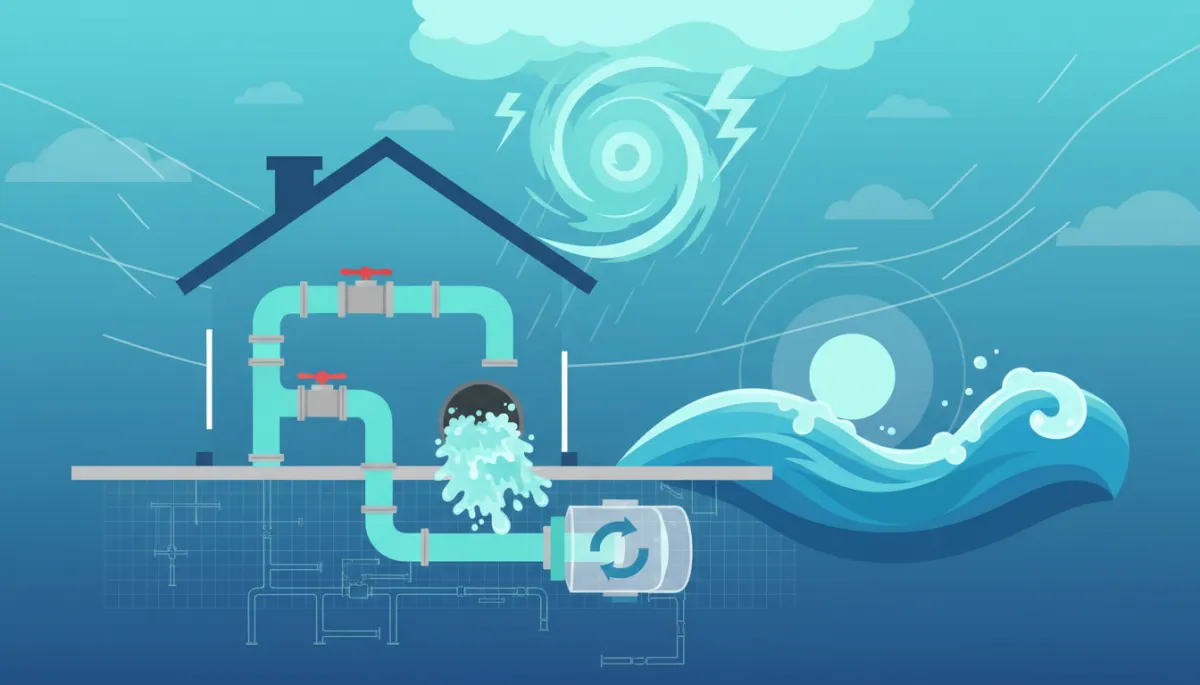
If you live in low-lying areas like Cape Coral, you already know hurricanes mean more than wind and rain. They also bring a very real risk of blackwater flooding when storm surge overwhelms municipal sewer lines. The good news is, with the right Hurricane Plumbing plan, you can dramatically reduce the chance of sewer backflow turning your home into a hazmat zone.
Why Sewer Backflow Is a Big Deal in Cape Coral and SW Florida
During a strong hurricane, especially in low-lying zones, storm surge can push bay and canal water into municipal sewer lines. When those lines are overloaded, pressure has to go somewhere—often back up into the lowest drains in your home. That’s where Sewer Backflow Prevention becomes just as important as shutters and sandbags.
Without protection, toilets, tubs, and floor drains on the first floor or in ground-level bathrooms can suddenly become outlets for raw sewage. This kind of Blackwater Flooding is not just disgusting; it’s dangerous. It can contaminate walls, flooring, and belongings, and make your home unsafe to occupy until it’s professionally remediated.
💡 Friendly Reminder: Wind damage is visible; sewer backflow damage often isn’t obvious until it’s everywhere. Planning ahead gives you a huge advantage.
Your Hurricane Plumbing Checklist: Step-by-Step Before the Storm
Use this simple checklist a few days before landfall is expected. It’s designed with Cape Coral Flooding and similar Southwest Florida communities in mind.
Locate your main water shut-off. Find the main valve (usually near the meter or where the line enters your home). Tag it with a bright label so every adult in the house can find it quickly.
Find your main sewer cleanout. This is typically a white PVC cap in the yard near the street or side of the house. Make sure it’s visible and accessible—not buried under mulch or landscaping rock.
Check for backwater valves or backflow devices. Ask your plumber or look at your plumbing records. If you don’t already have a Backwater Valve Installation on your main sewer line, now is the time to talk to a licensed local plumber about adding one, especially in low-lying areas.
Inspect toilets, floor drains, and tubs on the lowest level. These are the first places sewer backflow will show up. Make sure they are in good condition and not already slow-draining or clogged.
Secure outdoor plumbing. Disconnect hoses, shut off irrigation lines, and protect exposed pipes. This doesn’t stop sewer backflow, but it helps your overall Storm Surge Safety plan and prevents additional water issues.
Test sump pumps and lift stations (if you have them). Many Cape Coral homes rely on lift stations or grinder pumps. Make sure they are working and consider battery backup if they’re critical to keeping wastewater moving away from your house.
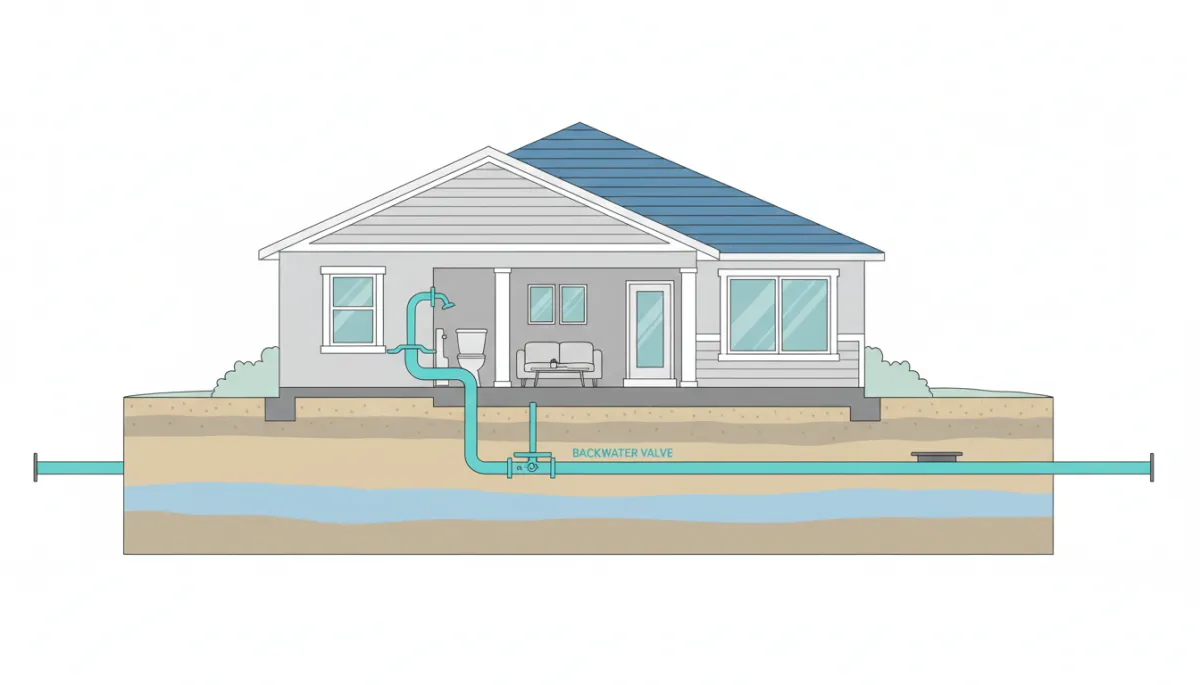
A properly placed backwater valve blocks sewage from pushing back into your home.
Shut-Off Procedures: What to Do as the Hurricane Approaches
When local officials begin talking about possible Cape Coral Flooding or storm surge, it’s time to move from “prep” to “protect.” Here’s a friendly, clear sequence to follow:
Fill your emergency water supplies first. Fill bathtubs, pitchers, and containers with clean water for flushing and washing. Once you shut off the main, you won’t want to turn it back on until it’s safe.
Turn off the main water valve. Rotate the valve clockwise until it stops. This helps protect your home if a water main breaks or if pressure fluctuates during the storm (a common recommendation in hurricane plumbing guides from Florida emergency resources such as floridadisaster.org).
Engage any backwater valve shut-off features. Some modern backwater valves, like those from brands such as Mainline, RectorSeal, or Oatey, include a manual shut-off or locking feature. Follow the manufacturer’s instructions to close and secure the valve before the peak of the storm.
Limit water use as the storm nears. Once surge and heavy rain begin, try not to flush toilets, run dishwashers, or do laundry. The less wastewater you send out, the less pressure on a system that may already be stressed.
💡 Pro Tip: Write these shut-off steps on a laminated card and keep it near your electrical panel or emergency kit. In the stress of a hurricane, you’ll be glad you have a simple checklist to follow.
Smart Device Choices: Backwater Valves and More
The heart of Sewer Backflow Prevention is a properly selected and installed backwater valve on your main sewer line. In hurricane-prone Florida, look for these features when talking with your plumber:
Durable, corrosion-resistant materials. Heavy-duty PVC or stainless-steel components hold up better in our hot, humid, salt-influenced environment.
Easy inspection access. Models with a clear top or quick-access cover make it simple to check after a storm without cutting pipe or digging up your yard.
Self-cleaning or full-port design. This helps reduce clogs and ensures the valve closes fully when surge or municipal overload hits.
In Cape Coral, any major plumbing modification—especially one tied to the water or sewer connection—should follow the city’s permitting and code requirements. The City’s Utilities Department already has a strong cross-connection and backflow program for the water supply, and similar care on the sewer side is simply smart protection for your home and family. A licensed, registered local plumber will know how to choose code-compliant devices and handle the permit process where required.
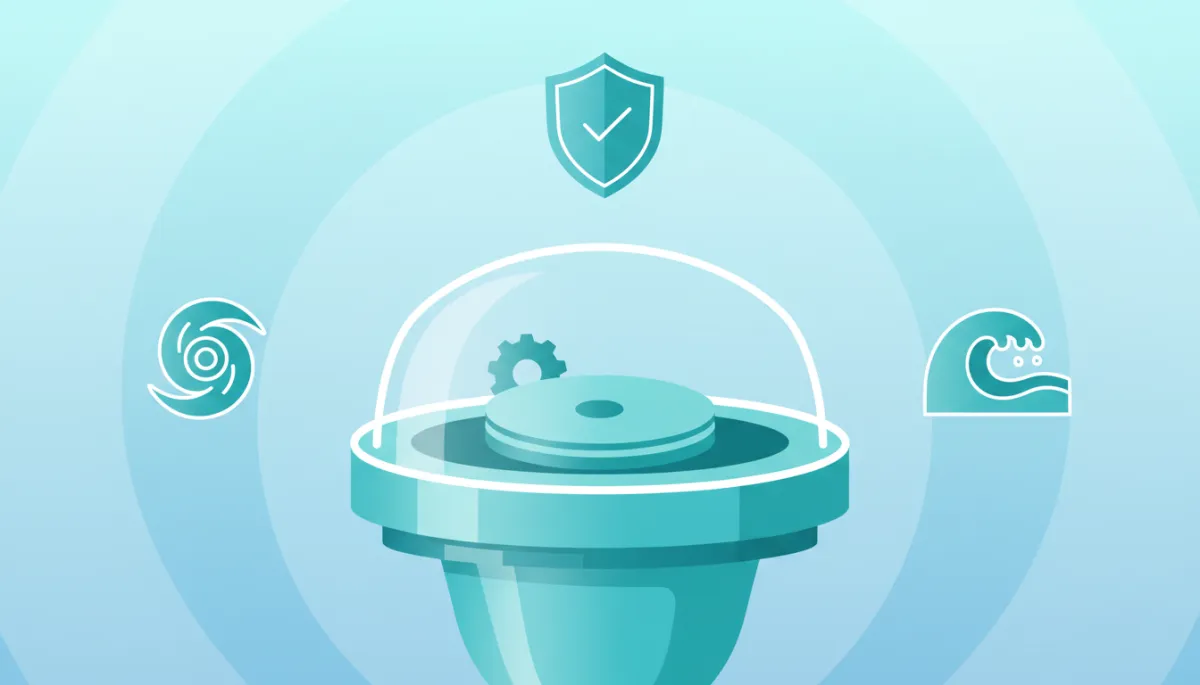
Quality backwater valves are your main line of defense against blackwater flooding.
Post-Hurricane Blueprint: Preventing Blackwater Flooding After the Storm
Many homeowners breathe a sigh of relief when the wind dies down—but sewer systems can stay stressed for hours or even days. Here’s a friendly, step-by-step post-hurricane blueprint focused on keeping Blackwater Flooding out of your Southwest Florida home, especially in low-lying neighborhoods.
Wait for official all-clear and flood receding. Even if your street looks dry, underground sewer lines may still be surging. Give the system time to stabilize, and listen for updates from the City of Cape Coral or Lee County utilities.
Visually inspect your lowest fixtures. Check showers, tubs, floor drains, and toilets on the ground floor. Any gurgling, foul odor, or discoloration is a red flag that the system is still under stress or that some backflow has occurred.
Open and inspect the backwater valve. Once conditions are safe, remove the access cover and look for debris, sand, or paper that could keep the flap from sealing. Wear gloves and follow your plumber’s maintenance instructions. If you’re unsure, call a professional before using your plumbing heavily again.
Restore water service gradually. Turn the main water valve back on slowly. Start with small uses—handwashing, brief toilet flushes—before running washing machines or dishwashers. This “soft start” helps you catch issues early instead of overwhelming the system all at once.
Document everything for insurance. Take photos of your plumbing fixtures, backwater valve, and any signs of backup, even if they’re minor. Documentation can support insurance claims or future mitigation grants aimed at Storm Surge Safety improvements.
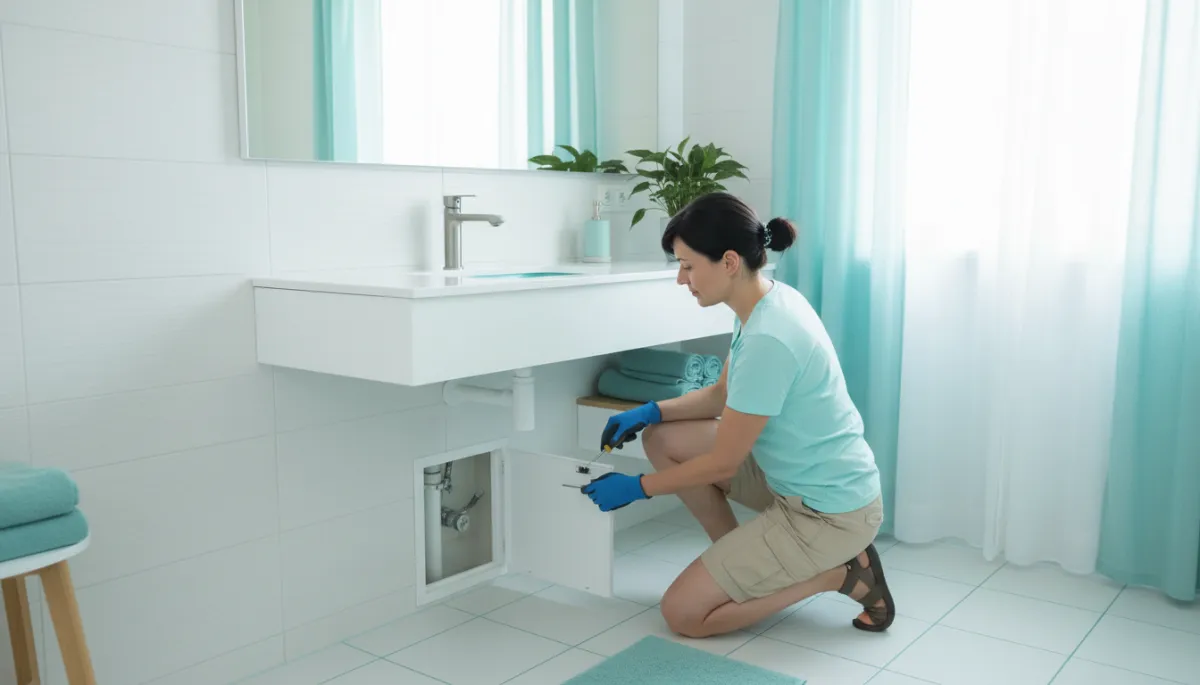
A quick post-storm inspection can catch plumbing issues before they escalate.
When to Call a Professional After a Storm
Even with the best Hurricane Plumbing plan, there are times when you should bring in a licensed plumber right away:
You see sewage or dark water coming from any drain or toilet.
Multiple fixtures are slow, gurgling, or not draining after the storm.
Your backwater valve appears damaged, stuck, or heavily clogged.
Local contractors in Cape Coral and surrounding areas are familiar with municipal systems, permit requirements, and the particular challenges of Storm Surge Safety in canal-lined neighborhoods. Many also offer annual maintenance and testing services so your Backwater Valve Installation is always ready when hurricane season arrives.
📌 Key Takeaway: Think of your plumber as part of your hurricane team—right alongside your roofer, electrician, and insurance agent.
Bringing It All Together: A Safer, Cleaner Home Next Hurricane Season
Preparing for a hurricane in Southwest Florida isn’t just about boarding windows and stocking batteries. It’s also about quietly powerful systems like your plumbing. By adding Sewer Backflow Prevention devices, following clear shut-off procedures, and using a smart post-storm blueprint, you can turn a major risk—Blackwater Flooding from municipal sewer overloads—into a manageable concern.
If you’re in a low-lying area such as Cape Coral, now is the perfect time to schedule a plumbing inspection, talk about Backwater Valve Installation, and build your personalized hurricane checklist. A few proactive steps today can mean a cleaner, safer, and far less stressful recovery after the next big storm rolls through.

Facebook
Instagram