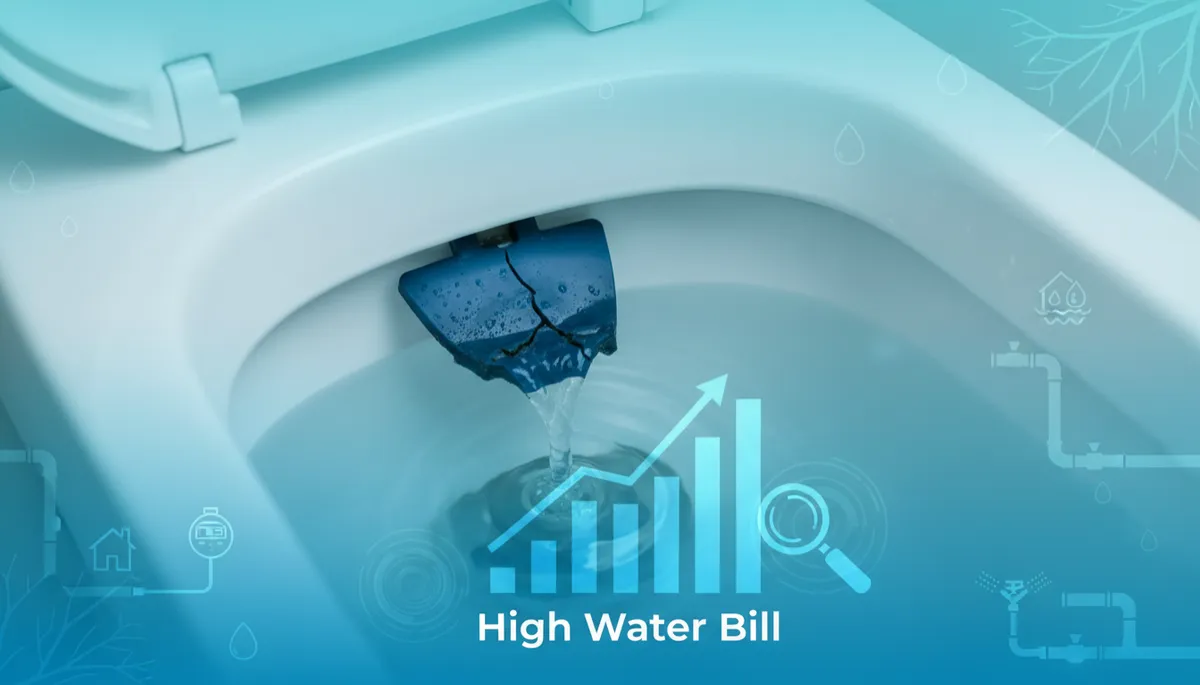
Naples Water Bill Spike: Hidden Toilet Leaks
Toilet Leaks, High Water Bill, Naples Plumbing
Why Your Naples Water Bill Doubled While You Were Away: Silent Toilet Leaks & Hidden Plumbing Problems
Opening your utility statement and seeing your Naples water bill suddenly double is stressful enough. When it happens after a week or month away — with no one home using water — it feels downright impossible. Yet in Southwest Florida, silent leaks from toilets, irrigation systems, and even reverse osmosis units are some of the most common reasons for shocking bills, especially given our unique local water chemistry and higher disinfection levels in 2026.
How a Home Using “No Water” Can Still Double Its Bill
In 2026, Naples water and wastewater rates already feel high compared to nearby areas, especially on the sewer side. A routine CPI-based increase of around 2.2% is expected, but that alone cannot explain a bill that suddenly doubles. When a Naples water bill spikes 50–100% or more with no obvious change in use, the culprit is almost always continuous, unnoticed flow — water running 24/7 somewhere on your property.
The three most common silent leak sources in Naples homes are:
Toilet leaks from flapper degradation caused by high chlorination and mineral buildup
Stuck or seeping irrigation valves that keep sprinklers or drip lines running slowly
Constant reverse osmosis (RO) discharge leaks into drains or outdoors
📌 Key Takeaway: A single silently running toilet can waste hundreds of gallons per day — easily enough to double a typical Naples water bill in one billing cycle.
Naples Water Chemistry: Why Flappers Fail Twice as Fast Here
Toilet flappers are simple rubber or silicone seals that hold water in the tank until you flush. Nationally, a decent flapper might last 3–5 years. In Naples, however, local water chemistry shortens that lifespan dramatically — often to 18–24 months or less, effectively about twice as fast as the national average.
Here’s why Naples plumbing is especially vulnerable:
Higher chlorine exposure: Naples periodically switches disinfection methods and, like many Florida systems, relies on chlorine to keep water safe. Chlorine breaks down rubber over time, causing flapper degradation — cracking, warping, and loss of flexibility. Plumbing experts note that elevated chlorine levels are one of the leading causes of early flapper failure (PlumbingSupply.com).
Hard water minerals: Calcium and magnesium in Naples water can leave scale on the flapper and the flush valve seat. Even a thin ring of mineral deposits prevents a perfect seal, creating slow, silent leaks that run all day and night (USGS).
pH and cleaning chemicals: Slightly acidic or alkaline water, combined with in-tank cleaners or “drop-in” tablets, accelerates wear. These chemicals sit directly on the flapper, eating away at the material and shortening its life even more.
The result: in Naples, a flapper that looks fine from above may already be hardened, warped, or pitted underneath — leaking a thin, constant stream into the bowl and quietly driving up your water bill and sewer charges.
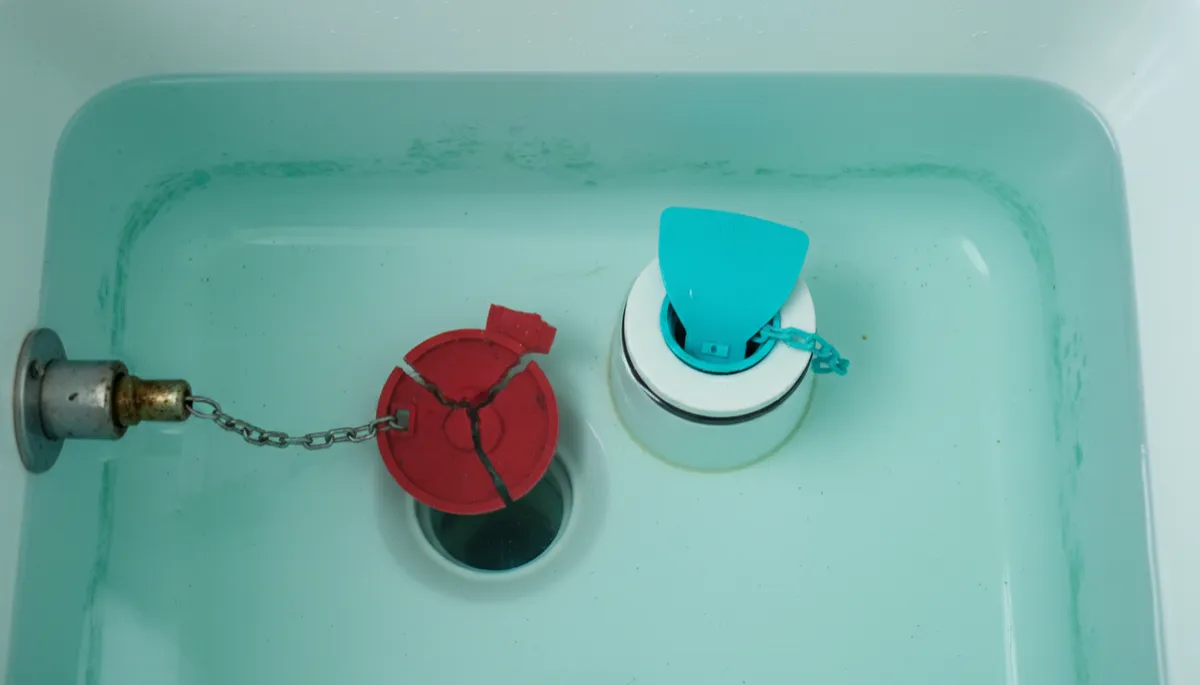
In Naples, chlorine and minerals can ruin a toilet flapper in as little as two years.
Step‑by‑Step: How to Check for Silent Toilet Leaks at Home
You don’t need special tools to track down most toilet leaks. Use this quick Naples‑friendly troubleshooting guide to spot problems before they cause another high water bill.
1. Listen and look for subtle signs
Stand quietly near each toilet. Do you hear a faint hissing or trickling sound from the tank?
Watch the bowl for 1–2 minutes. Do you see small ripples or movement on the surface, even when no one has flushed?
💡 Pro Tip: Many Naples homeowners only notice a problem when the toilet “ghost flushes” — refilling for no reason every few minutes. That’s a classic symptom of flapper degradation and a silent leak.
2. Perform the dye test (5 minutes per toilet)
Remove the tank lid carefully and set it on a towel.
Add a few drops of food coloring or a dye tablet to the tank water — fresh aqua or blue shades work well visually.
Do not flush. Wait 10–15 minutes.
Check the bowl. If any colored water has appeared, you have a toilet leak past the flapper or flush valve.
3. Inspect the flapper and valve seat
Turn off the shutoff valve behind the toilet and flush to empty most of the tank.
Gently lift the flapper and feel the underside. If it’s hard, cracked, misshapen, or slimy with buildup, it’s due for replacement — especially in Naples’ chlorinated water.
Run your finger around the flush valve seat. If you feel a ridge of scale, clean it with a non‑abrasive pad and vinegar solution before installing a new flapper.
4. Replace with a Naples‑friendly flapper
Choose a chlorine‑resistant or “heavy‑duty” flapper rated for treated municipal water. These are better suited to Naples water chemistry and can slow flapper degradation.
Follow the instructions to adjust the chain length so there’s just a little slack — too tight or too loose can both cause leaks.
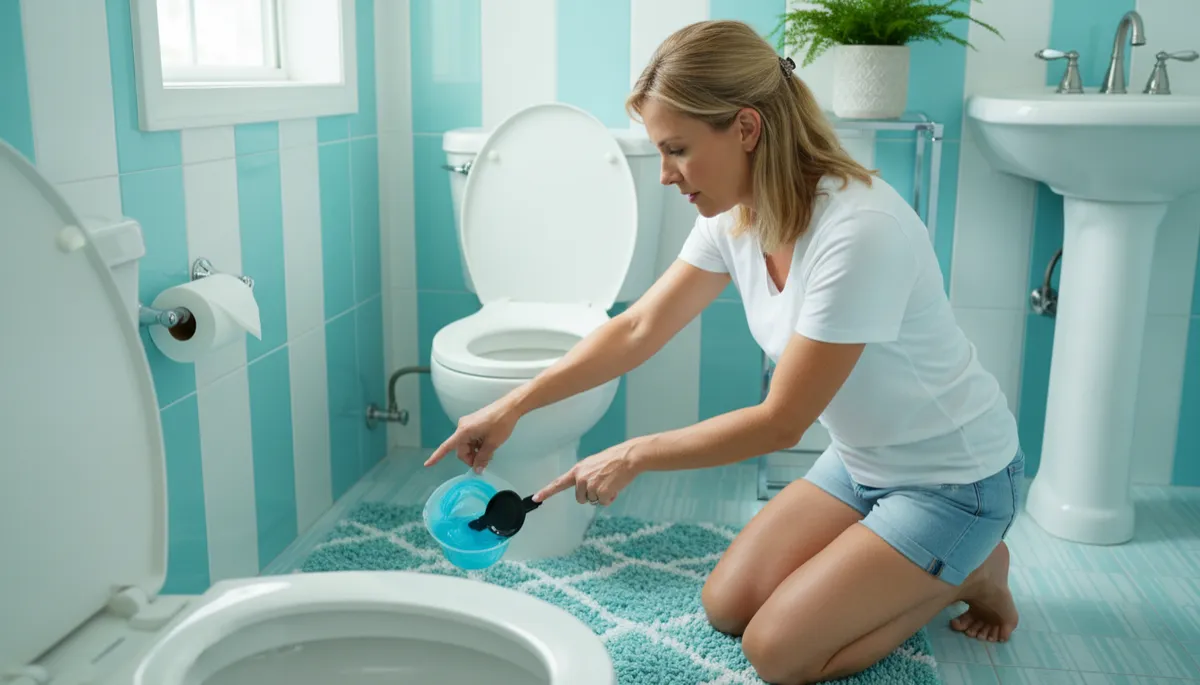
A simple dye test can reveal silent toilet leaks before they double your water bill.
Don’t Forget Irrigation Valves: The Hidden Outdoor Water Wasters
In Naples, irrigation can easily rival indoor use, especially in dry months. A stuck or seeping irrigation valve can run thousands of extra gallons without any visible geyser or flooded yard — particularly if the leak is underground or in drip lines. When your Naples water bill jumps while you were away, always include the sprinkler system in your troubleshooting checklist.
Quick checks for irrigation leaks
Make sure the irrigation controller is set to “off” or “rain mode” when you leave town. Power surges or programming errors can cause more frequent cycles than you intended.
With all indoor water off, check your water meter. If the small leak indicator (often a triangle or star) is spinning, something — often an irrigation valve — is flowing.
Walk the yard and look for constantly damp spots, extra‑green patches, or hissing near valve boxes. These can signal a broken line or stuck valve.
💡 Pro Tip: Before extended travel, consider shutting off the dedicated irrigation shutoff valve (if present) and relying on Naples’ watering restrictions to guide your schedule when you return.
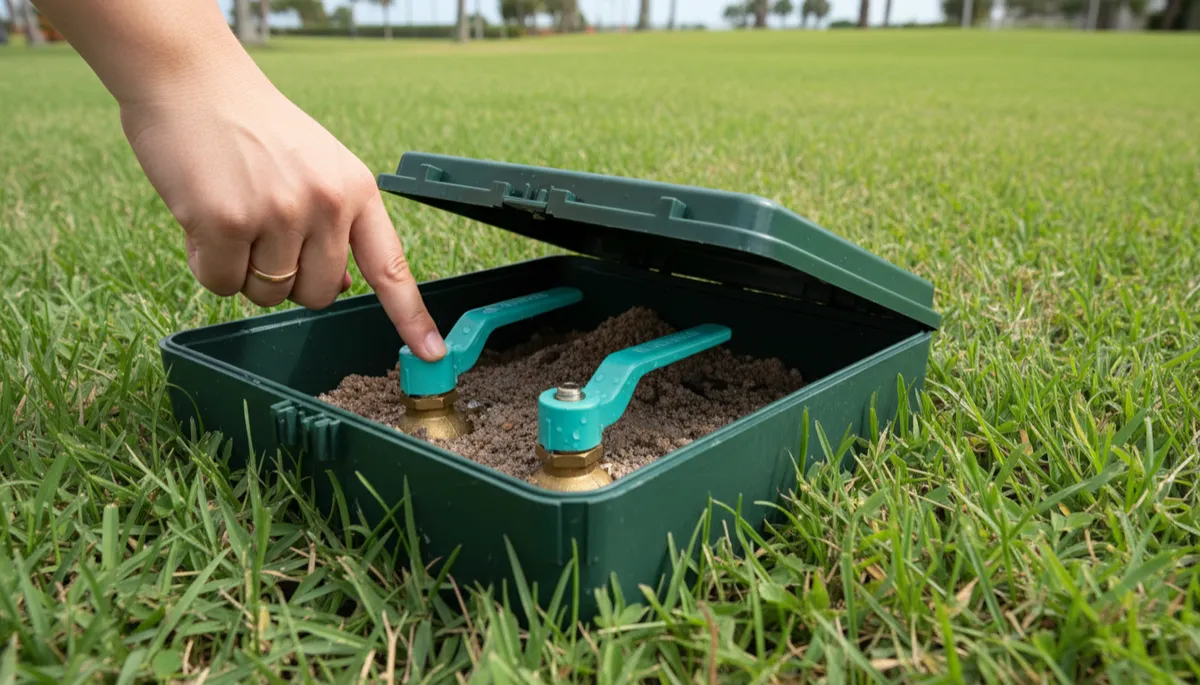
A slightly stuck irrigation valve can waste thousands of gallons quietly between billing cycles.
Reverse Osmosis Discharge Leaks: Small Stream, Big Bill
Many Naples homeowners install under‑sink or whole‑house reverse osmosis systems for taste and water quality. These systems always produce a waste stream — the RO discharge — which usually goes to a drain line or outside. If a line cracks, a fitting loosens, or a drain connection fails, that discharge can run continuously, creating a silent leak that never shuts off.
How to spot RO‑related leaks
Check under sinks with RO units for dampness, moldy smells, or the sound of a trickling drain when no faucets are open.
Follow the small tubing from the RO system to where it discharges. Look for cracks, loose push‑fit connectors, or tubing that has slipped partially out of a drain saddle.
If your RO drains outside, inspect the outlet. A constant trickle, even when you haven’t drawn filtered water, can be a sign that the system is malfunctioning and wasting water.
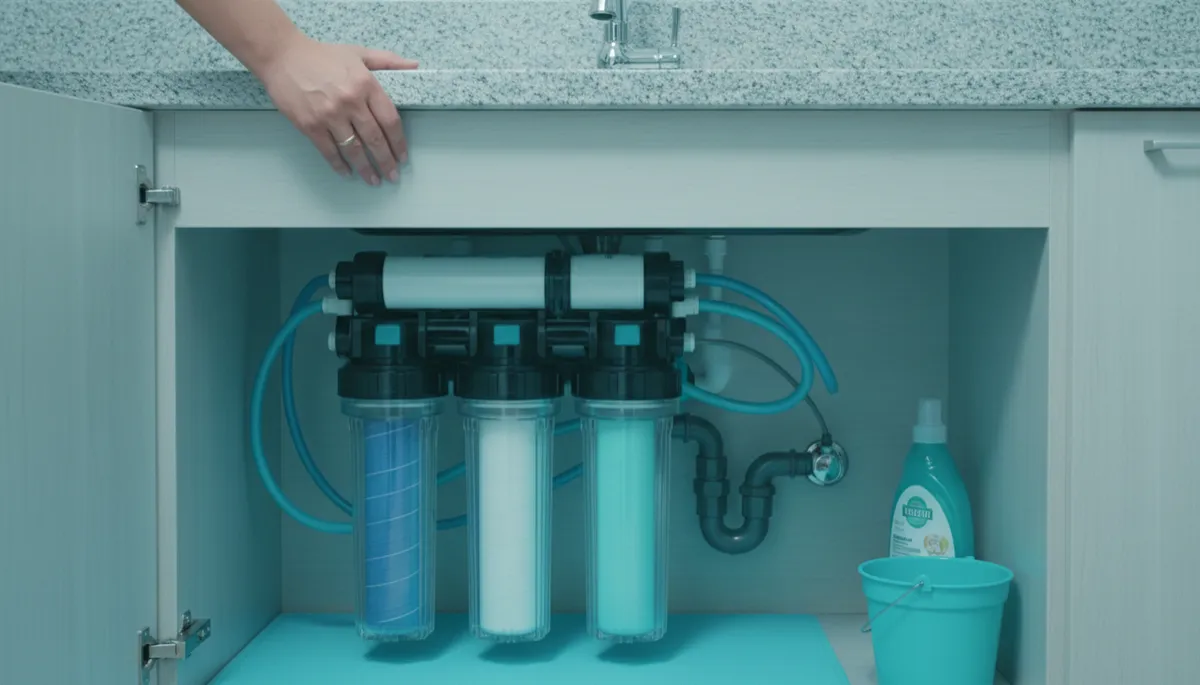
A small reverse osmosis discharge leak can run nonstop and quietly inflate your water bill.
A Simple Naples Leak‑Check Routine to Protect Your Wallet
To keep Toilet Leaks, High Water Bill surprises, and other silent leaks from sneaking up on you, build a quick monthly routine tailored to Naples plumbing and water chemistry:
Check your meter: With all water off, confirm that the leak indicator is not spinning. If it is, you have a hidden leak somewhere on the property.
Dye‑test all toilets: Especially those rarely used in guest rooms or pool baths, where flapper degradation can go unnoticed the longest.
Inspect irrigation valves and schedule: Ensure the controller matches Naples watering restrictions and that valves fully close after each cycle.
Look over RO systems: Feel for moisture around discharge lines and listen for constant draining sounds.
📌 Key Takeaway: In Naples, assume toilet flappers are a consumable part. Plan to inspect or replace them every 18–24 months to stay ahead of water chemistry–driven wear.
When to Call a Naples Plumbing Professional
If you’ve checked toilets, irrigation, and RO discharge lines and your meter still shows flow when everything is off, it’s time to call a Naples plumbing expert. Underground leaks, slab leaks, and complex valve failures require specialized tools and experience. A licensed plumber can perform pressure tests, use acoustic leak detection, and recommend repair options that protect both your home and future water bills.
With local rates, CPI‑based adjustments, and high wastewater charges, every gallon counts in Naples. Understanding how our water chemistry accelerates flapper breakdown and fuels silent leaks — and following a simple troubleshooting routine — can keep your next statement from delivering another unwelcome surprise.

Facebook
Instagram