
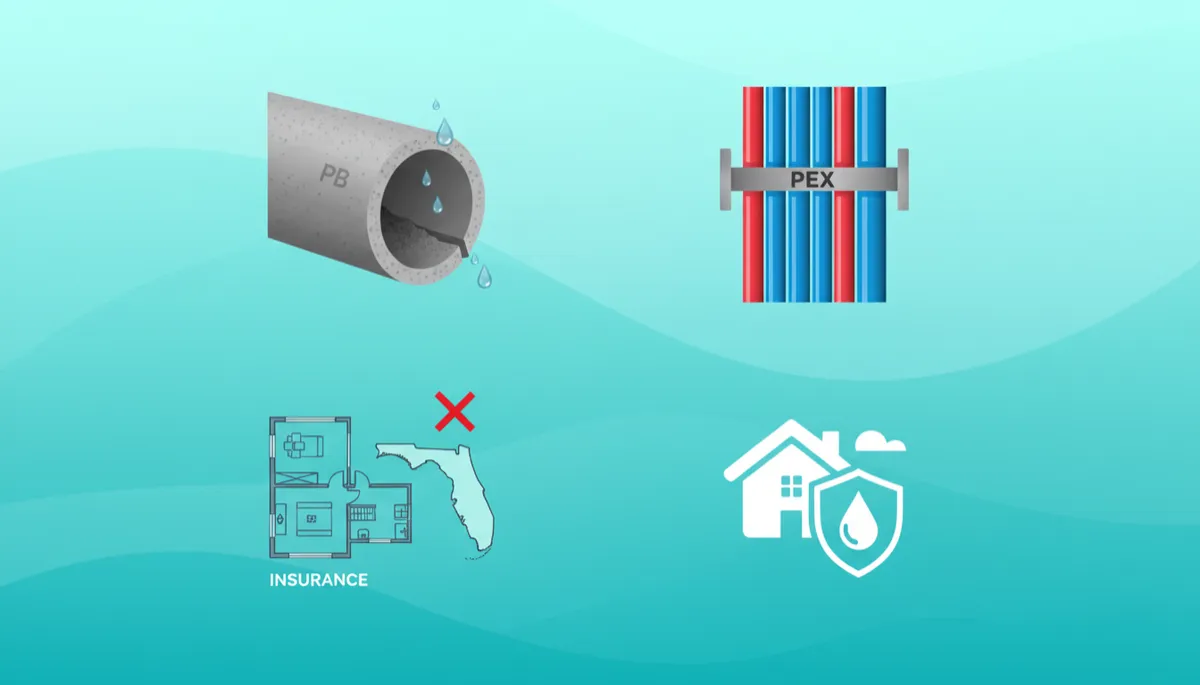
Identify and Replace Polybutylene Pipes in SWFL
Polybutylene Pipes, SWFL Plumbing, Home Insurance Florida, Pipe Replacement, 1980s Home Plumbing, PEX Alternatives
Does My SWFL Home Have Polybutylene Pipes? (And What to Do If It Does)
If you own a 1980s or 1990s home in Naples or anywhere in Southwest Florida, there’s a good chance you’ve heard whispers about gray plastic pipes and home insurance problems. Those pipes are probably polybutylene, and knowing whether they’re in your walls can make a big difference for your peace of mind, your plumbing, and your Florida home insurance options.
What Are Polybutylene Pipes, and Why Do They Matter in SWFL?
Polybutylene (often called “poly” or “PB”) is a flexible plastic piping that was widely used in residential plumbing from the late 1970s through the mid-1990s. Builders loved it because it was inexpensive, easy to install, and perfect for fast-growing areas—exactly like Southwest Florida during the 1980s building boom.
Over time, however, polybutylene pipes developed a reputation for failing unexpectedly. Studies and real-world experience suggested that chemicals in treated water could cause the inside of the pipe to deteriorate, leading to leaks and, in worst cases, sudden bursts that flood homes. According to resources like HouseLogic and Bankrate, this widespread risk is exactly why many insurers now view polybutylene as a red flag for water damage claims.
💡 Friendly Tip: If your Naples home was built or heavily remodeled between about 1978 and 1995, it’s worth taking a closer look at your plumbing—even if you’ve never had a leak.
How to Tell If Your 1980s or 1990s Naples Home Has Polybutylene Pipes
The good news is that you can often spot polybutylene pipes with a simple visual check. You don’t have to tear into your walls—just look in the right places and know what to look for. Here’s a friendly step-by-step guide tailored to SWFL homes:
Start with the age of your home. If your house or condo in Naples, Bonita Springs, or Fort Myers was built from the late 1970s through the mid-1990s, polybutylene is a real possibility, especially in entry-level or tract-style communities from that era.
Look where pipes are exposed. Check near the water heater, under sinks, in the garage, in the laundry room, and in any access panels (for example, behind a tub or shower valve). In some SWFL homes on slab foundations, the only visible spots may be at the water heater and under vanities.
Check the color and feel. Polybutylene is most often solid gray, but it can also be blue, black, or white. The pipe usually feels slightly flexible compared with rigid PVC or copper. It typically ranges from ½ inch to 1 inch in diameter.
Look for markings. Many polybutylene pipes are stamped with codes like “PB” or numbers such as “PB2110.” If you see “PB” anywhere on the pipe, that’s a strong sign you’re dealing with polybutylene.
Notice the fittings. Polybutylene systems often used plastic or metal fittings with crimp rings. If you see gray pipe connected with these ring-style fittings, especially in an older home, that’s another clue.
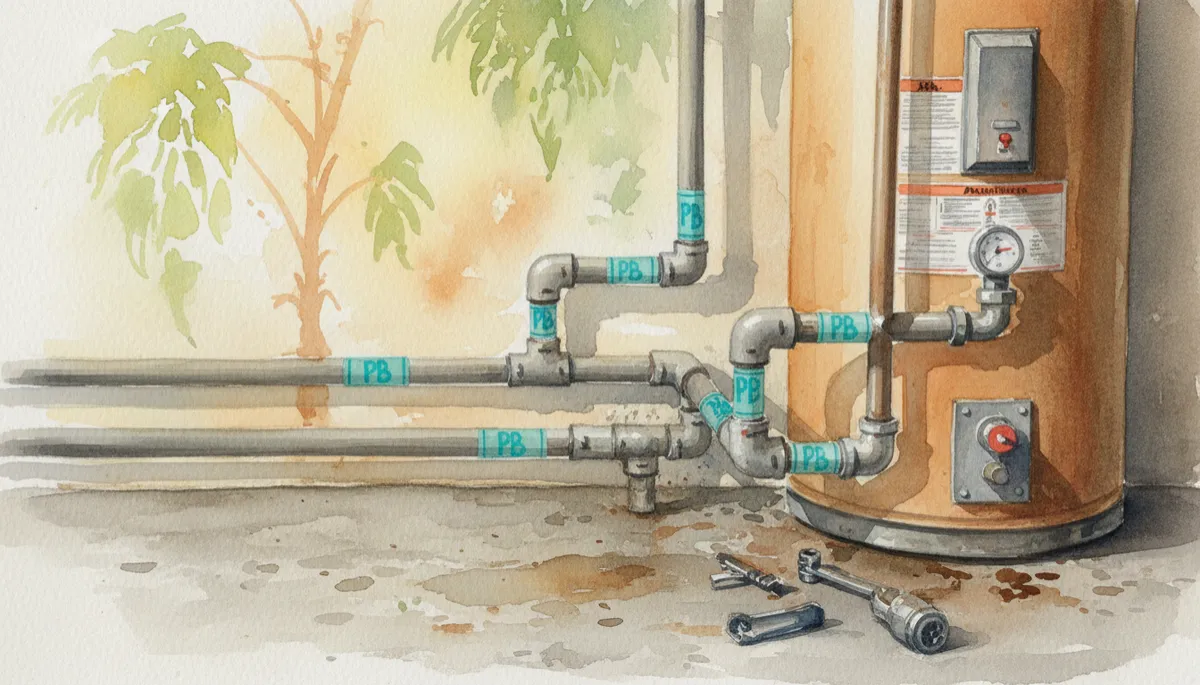
Checking near the water heater is one of the quickest ways to spot polybutylene.
⚠️ Friendly Warning: If you’re not sure what you’re looking at, don’t worry. A licensed SWFL plumber can usually confirm your pipe material in a single visit.
How Polybutylene Pipes Affect Home Insurance in Florida
Here’s where things get serious. In today’s insurance climate, especially in Florida, pipe material is directly tied to your ability to get and keep home insurance. Insurers have seen decades of water damage claims from polybutylene systems, and many now treat them as a major risk factor.
Coverage denials or non-renewals: Some Florida insurers simply will not write a new policy on a home with polybutylene plumbing. Others may decline to renew once they discover it during an inspection.
Mandatory replacement: According to insurance industry guidance, many carriers now require homeowners to replace polybutylene pipes before issuing or continuing coverage, especially as we approach 2026 and underwriting standards tighten further.
Higher premiums and exclusions: If you find an insurer willing to cover a home with PB, you may face higher premiums and exclusions for water damage caused by those pipes. That means you could still be on the hook for expensive repairs after a leak.
In short, for Florida homeowners, especially in SWFL, polybutylene pipes are not just a plumbing problem—they’re an insurance problem. Replacing them is often the key to unlocking better coverage options and more competitive rates.

Many Florida insurers now flag polybutylene plumbing during routine inspections and renewals.
The Direct Link: Pipe Material, Florida Insurance Mandates, and Repiping Options
Let’s connect the dots clearly, because this is where your decisions as a homeowner really matter:
Your pipe material (polybutylene vs. modern options) determines how likely your home is to experience sudden leaks and water damage.
Florida home insurance companies base their underwriting rules and mandates on that risk. Because polybutylene has a long track record of failure, many carriers now require replacement as a condition of coverage or renewal.
Modern repiping alternatives like PEX give you a practical path to meet those insurance mandates, reduce your risk of leaks, and often improve your policy options and pricing.
When you repipe away from polybutylene to a modern system, you’re not just upgrading your SWFL plumbing—you’re also making your home more insurable in Florida’s tough market. Many homeowners find that once the repipe is complete and documented, insurers are far more willing to write or renew a policy without special exclusions.
Pipe Replacement: Why PEX Is Popular in SWFL (and What Else Exists)
If you discover polybutylene pipes in your 1980s home plumbing, the long-term solution is pipe replacement, often called a “repipe.” In Southwest Florida, one material has become especially popular for this: PEX (cross-linked polyethylene).
Why PEX? PEX is flexible, resistant to corrosion, and generally easier to install than rigid copper. That flexibility can be a big advantage in existing homes, allowing plumbers to snake new lines through walls and ceilings with fewer openings. It also performs well in SWFL’s warm, humid climate when installed correctly.
Insurance-friendly: Because PEX does not have the same failure history as polybutylene, insurers tend to view it much more favorably. Once your home is repiped with PEX or another modern material, you can usually document the upgrade for your insurance company and potentially improve your coverage terms.
PEX isn’t the only option, though. Depending on your budget, preferences, and the specifics of your SWFL home, your plumber might also discuss:
Copper: A traditional choice known for durability and heat resistance. It’s more expensive than PEX and can be more labor-intensive to install, but many homeowners like its long track record and resale appeal.
CPVC: A rigid plastic that handles hot and cold water. It’s more affordable than copper but less flexible than PEX, which can matter when working inside finished walls and ceilings.
PVC, HDPE, and others: PVC is typically used for cold water and drains, not whole-house hot water supply. HDPE and stainless steel have specific uses but are less common for full residential repipes in SWFL compared with PEX, copper, and CPVC.
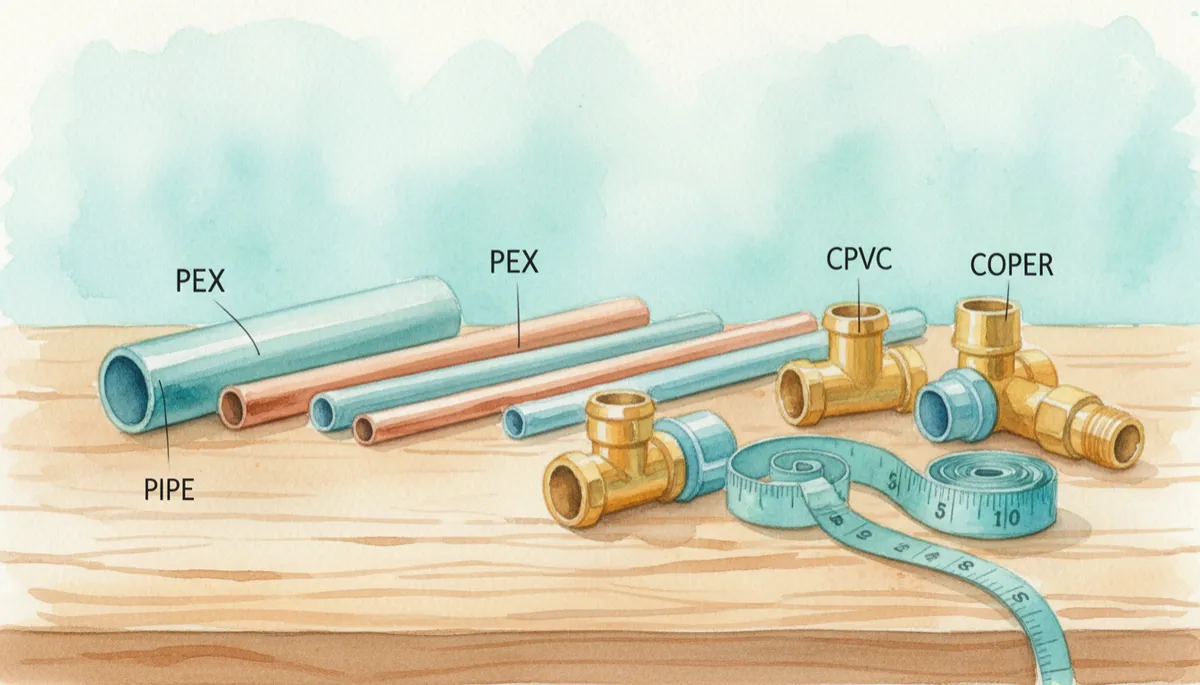
PEX is a favorite for repiping in SWFL, but copper and CPVC remain solid alternatives.
What to Do If You Think You Have Polybutylene Pipes
If your quick inspection makes you suspect polybutylene in your SWFL home, you don’t have to panic—but you also don’t want to ignore it. Here’s a simple game plan:
Get a professional plumbing inspection. A licensed local plumber can confirm whether you have PB, estimate how extensive it is, and check for any existing leaks or weak spots. This is especially important in older 1980s home plumbing systems that may have been partially updated over the years.
Talk to your insurance agent. Ask how your current carrier treats polybutylene pipes. Do they require replacement by a certain date? Will they renew your policy? Are there exclusions you should know about? Getting clear answers now can prevent unpleasant surprises later.
Request repipe quotes. Get at least two or three estimates for replacing your polybutylene with PEX or another modern material. Ask about permits, drywall repair, and how long the project will take. Many SWFL plumbers are very familiar with repiping 1980s and 1990s homes and can walk you through the process step by step.
Plan the timing. Some homeowners choose to repipe before listing their home for sale, while others do it soon after purchasing. If your insurer is setting a deadline or hinting at non-renewal, that may help you decide when to move forward.

A quick consultation with a local plumber can clarify costs, timelines, and material options.
Final Thoughts: Turning a Risk into an Upgrade
Discovering polybutylene pipes in your Naples or SWFL home can feel intimidating at first, especially when you start hearing about insurance mandates and repiping costs. But with the right information and a clear plan, you can turn this from a stress point into a smart upgrade.
By identifying your pipe material, understanding how it affects home insurance in Florida, and exploring modern options like PEX, you’re protecting not just your property, but also your budget and your long-term peace of mind. In a coastal market where insurance rules are changing quickly, staying proactive about your SWFL plumbing is one of the friendliest favors you can do for your future self.
If you’re unsure where to start, begin with a simple visual check for gray PB pipes and a quick call to a trusted local plumber or insurance agent. A little curiosity today can save you from big headaches—and big repair bills—tomorrow.


Facebook
Instagram