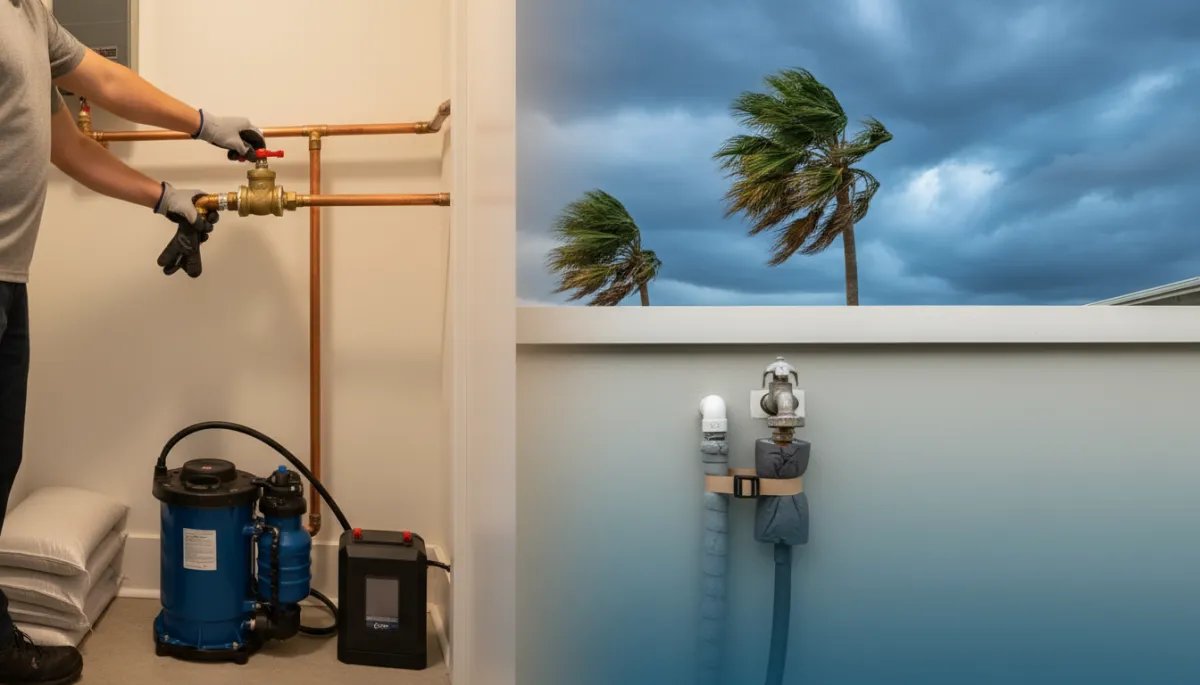
Hurricane Season Plumbing Prep: Protect Your Home
Plumbing, Hurricane Preparedness, Home Maintenance
Hurricane Season Plumbing Prep: Protecting Your Home Before a Storm
If you live in Southwest Florida, you already know hurricane season is just part of life. But while most people think about shutters, sandbags, and supplies, your plumbing system also needs a little storm-season love. At My Plumbing Friends in Fort Myers, we help homeowners get their homes storm-ready every year, and a few simple steps can make a big difference in keeping your property safe and dry.
Why Hurricane Plumbing Prep Matters
Hurricanes bring heavy rain, powerful winds, and potential flooding. All of that puts extra stress on your home’s plumbing system. Without a little preparation, you could be dealing with backed-up drains, damaged pipes, contaminated water, or even major leaks at the worst possible time. The good news is that you don’t need to be a plumbing expert to take smart, practical steps before a storm arrives. With a friendly checklist and a bit of guidance, you can feel confident that your home is as ready as possible when the weather turns.
Step 1: Know How (and When) to Shut Off Your Water
One of the most important hurricane prep steps is knowing how to shut off your home’s main water supply. If a pipe breaks during the storm, or if you’re ordered to evacuate, turning off the water can prevent thousands of dollars in damage. In most Fort Myers homes, the main shutoff valve is outside near the water meter, on an exterior wall, or in a ground box near the street. The valve usually looks like a lever or a round handle that you turn clockwise to shut off. If you’re not sure where it is, take a few minutes now to locate it while the weather is calm, and consider labeling it so every adult in the home can find it quickly.
Before a hurricane, it’s a good idea to test the valve to make sure it still turns easily. Valves that have not been used in years can seize up, which is the last thing you want in an emergency. If it’s hard to move, or if you’re nervous about forcing it, call a professional plumber to service or replace it. During a serious storm threat or evacuation, many homeowners choose to shut off the water as a precaution, especially if their property is prone to flooding or they’ll be away from home. It’s a simple step that gives you peace of mind when the wind starts howling.
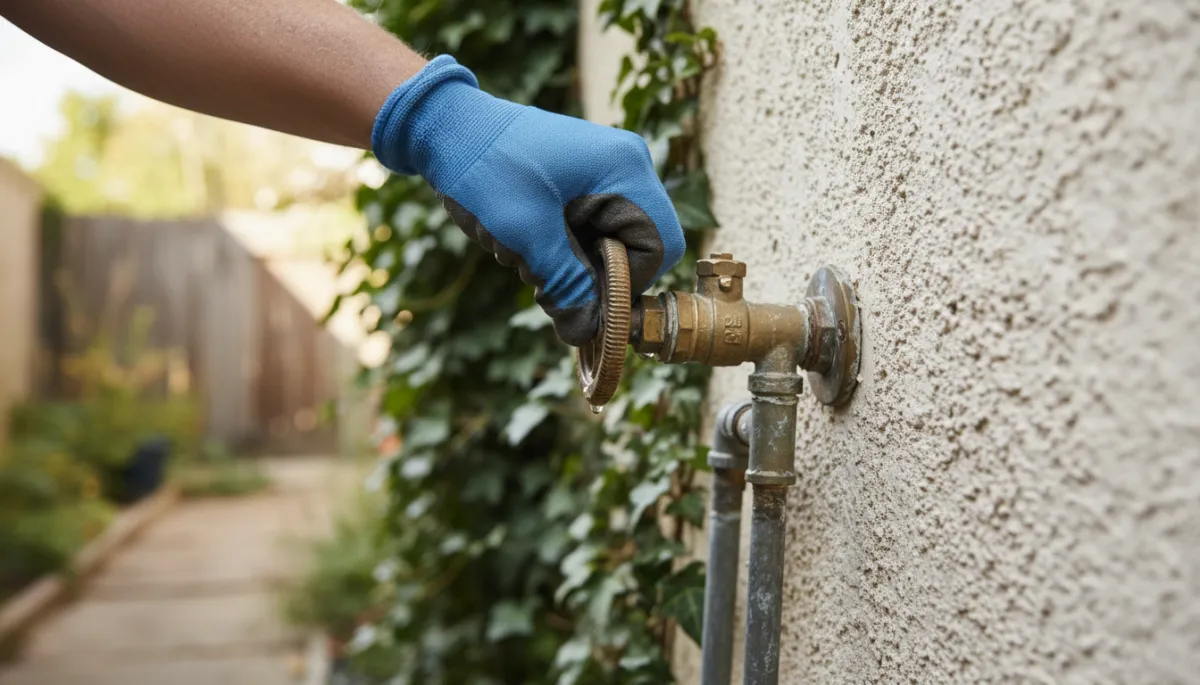
Finding and testing your main shutoff valve now saves precious time during a storm.
Step 2: Protecting Your Pipes from Pressure and Flooding
During hurricanes, municipal water systems can experience sudden pressure changes, and floodwater can put strain on underground and exposed pipes. Inside your home, start by checking under sinks, around toilets, and near your water heater for any small leaks you may have been ignoring. A tiny drip can become a big problem if the system is stressed. Tighten loose connections, replace worn supply lines, and have any suspicious spots checked by a plumber ahead of time, rather than waiting for an emergency repair in the middle of storm season.
If your home has older galvanized or corroded pipes, consider scheduling an inspection before hurricane season ramps up. In some cases, upgrading vulnerable sections can prevent bursts when pressure fluctuates. It’s also wise to clear slow drains in showers, tubs, and sinks so that heavy rainfall and extra usage don’t lead to backups. A professional drain cleaning can remove built-up grease, hair, and debris, giving water a clear path to flow even when the system is working overtime during and after a storm.
💡 Friendly Tip: Take quick photos of exposed pipes and shutoff valves before the storm. If you need help over the phone, these pictures make it much easier for a plumber to guide you.
Step 3: Make Sure Your Sump Pump Is Ready to Work
Not every home in Fort Myers has a sump pump, but if yours does, it’s one of your best defenses against flooding in low areas, garages, and crawl spaces. Before hurricane season, test your sump pump by slowly pouring a bucket of water into the pit. The pump should kick on quickly, remove the water, and then shut off again. If it hesitates, makes grinding noises, or fails to turn on, it’s time for service or replacement before the next big storm rolls through the Gulf.
Because hurricanes often knock out power, it’s also smart to ask about backup options. A battery backup sump pump or a water-powered backup (where available) can keep water moving even if the electricity goes out. Make sure the discharge line is clear, firmly connected, and directing water away from your foundation. If that line is clogged, crushed, or aimed toward the house, the pump can’t do its job effectively when you need it most.
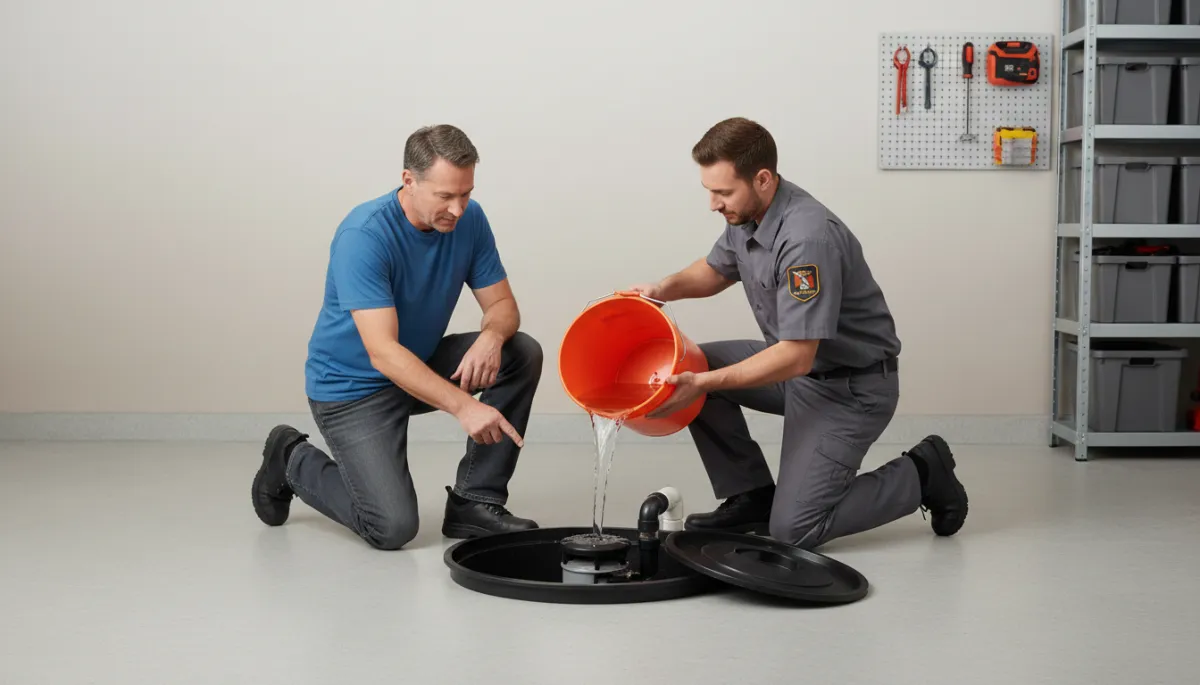
A quick pre-storm sump pump test can be the difference between dry floors and major flooding.
Step 4: Don’t Forget Outdoor Fixtures and Drains
When we think “plumbing,” we often picture sinks and toilets, but your outdoor fixtures are just as important during a hurricane. Start with your hose bibs and outdoor spigots. Remove hoses, shut off any dedicated outdoor valves if you have them, and consider covering exposed fixtures to protect them from flying debris. Loose hoses can whip around in high winds, damaging pipes or nearby surfaces, so coil them up and store them in the garage or shed before the storm arrives.
Next, take a look at your yard drains, pool equipment, and cleanouts. Clear leaves, mulch, and debris from around storm drains and gutter downspouts so water can flow away from your home instead of pooling near doors or the foundation. If you have a backflow preventer for your irrigation system, make sure it’s secure and protected from impact. Simple things like strapping down pool equipment and checking that drain covers are in place help reduce the risk of damage when the wind and water start to rise.
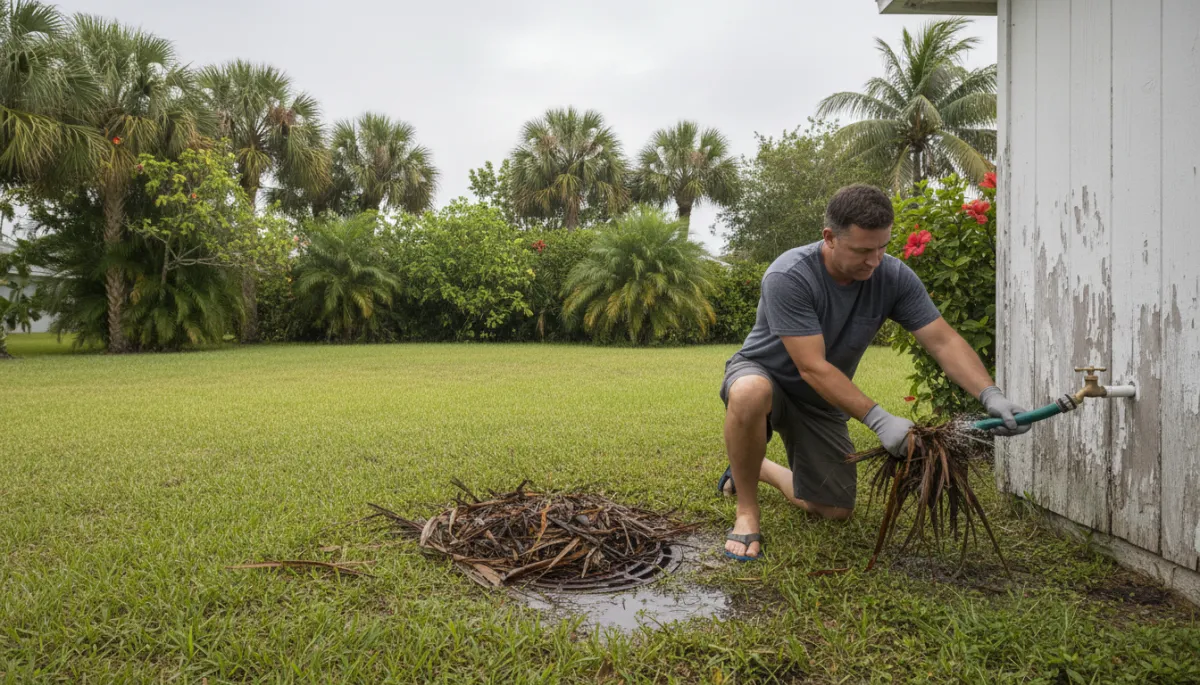
Clearing outdoor drains and securing fixtures keeps storm water moving away from your home.
Step 5: Smart Post-Storm Plumbing Checks
Once the storm has passed and it’s safe to go outside, resist the urge to turn everything back on at once. If you shut off your main water valve, turn it back on slowly while someone else is inside listening for unusual sounds and watching for leaks. Start by checking around toilets, under sinks, and near the water heater. Look for dripping, hissing, or spraying water, and don’t ignore even small puddles. Catching a problem early can prevent structural damage and mold down the road.
If your home or street experienced flooding, be cautious with your drains and toilets. Gurgling noises, slow draining, or foul odors can be signs that the sewer system is overwhelmed or that your line has been damaged. Avoid using a lot of water at once until everything is draining normally again. If you suspect any contamination or see discolored water coming from your taps, contact your local authorities and a licensed plumber right away. It’s always better to have things inspected and cleared than to risk using unsafe water.
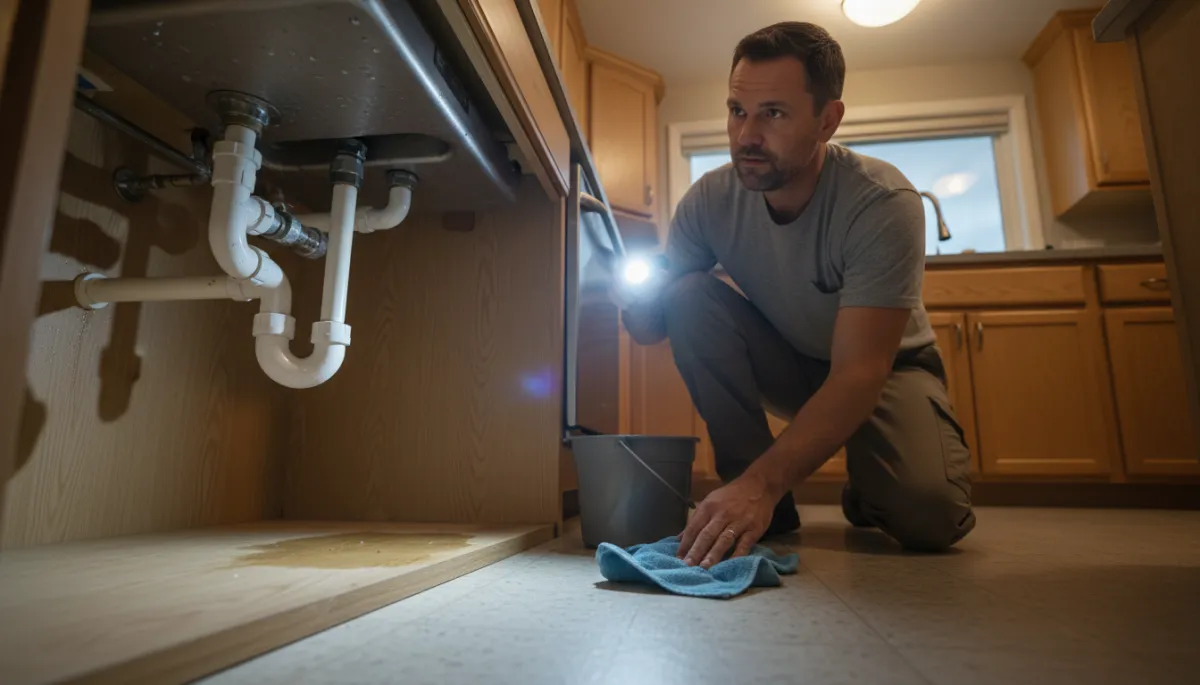
A careful post-storm walk-through helps you spot leaks and issues before they spread.
When to Call My Plumbing Friends in Fort Myers
You don’t have to tackle hurricane plumbing prep alone. If you’re unsure about your shutoff valves, worried about older pipes, or want your sump pump and drains checked before the next storm, the friendly team at My Plumbing Friends is here to help. We work with homeowners across Fort Myers and the surrounding communities to inspect systems, make repairs, and suggest upgrades that make sense for your home and budget. Our goal is simple: to help you feel confident and prepared when hurricane season arrives each year.
A little planning today can save you from big headaches tomorrow. By learning how to shut off your water, protecting your pipes, testing your sump pump, securing outdoor fixtures, and doing smart post-storm checks, you’re giving your home the best chance to weather the next hurricane safely. If you’d like a professional set of eyes on your plumbing system, reach out to My Plumbing Friends before the clouds roll in—we’re always happy to be your trusted neighbors in plumbing and storm preparedness.

Facebook
Instagram