Hurricane Prep Plumbing Checklist for SWFL Homes
Hurricane Preparation, Plumbing Checklist, SWFL Homeowners, Storm Plumbing Tips
Hurricane-Prep Plumbing Checklist for SWFL Homeowners (Before, During, and After the Storm)
Living in Southwest Florida means hurricane season is simply part of life. The good news? With a friendly, practical plumbing checklist in hand, you can protect your home, your water supply, and your peace of mind long before the first tropical bands hit the radar. This guide walks SWFL homeowners through an easy, printable Hurricane Preparation Plumbing Checklist you can reuse every season and share with friends on Facebook.
Why Hurricane Plumbing Prep Matters So Much in SWFL
When people think Hurricane Preparation, they usually picture plywood, batteries, and canned food. But your home’s plumbing system quietly carries a lot of the risk during a storm: flooding, sewer backups, broken pipes, and unsafe water can turn an already stressful situation into a full-blown disaster. According to hurricane plumbing tips from American Home Shield and other national resources, securing your water heater, knowing how to shut off the main water valve, and clearing drains are core steps to protect your home from water damage during a storm (AHS).
In Southwest Florida, where storm surge, heavy rainfall, and high groundwater are common, a little advance planning goes a long way. This friendly Plumbing Checklist is built specifically for SWFL homeowners and is organized into three easy-to-follow sections:
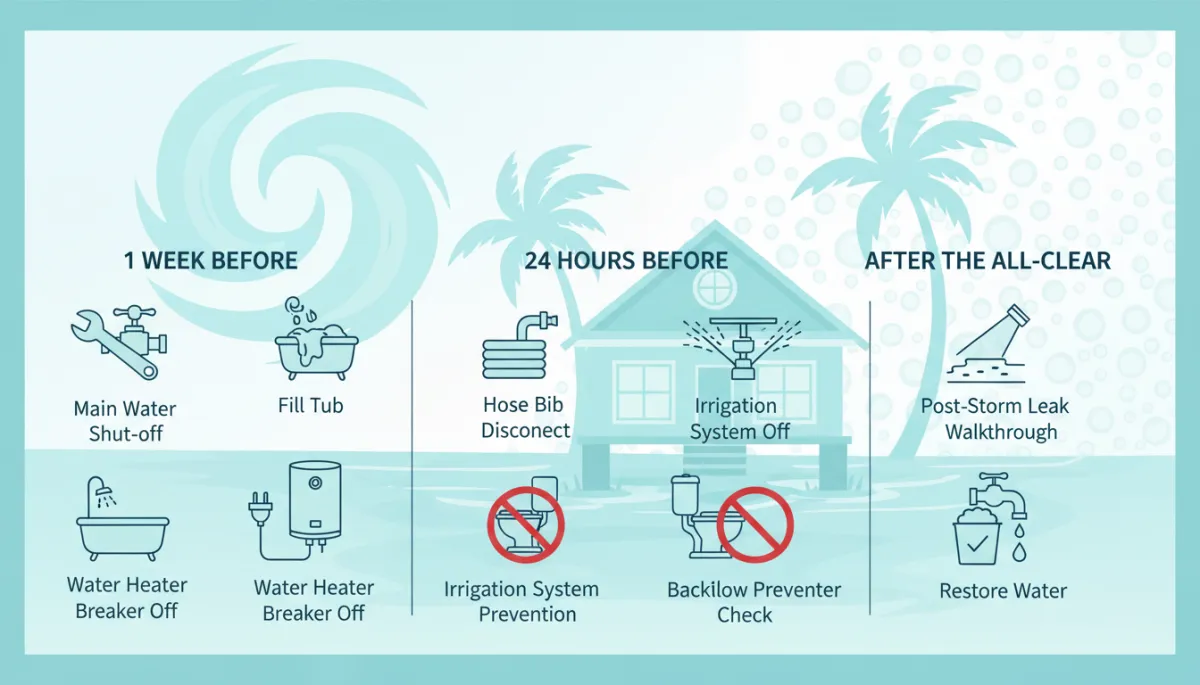
One week before the storm – inspection, tune-ups, and prep work
24 hours before landfall – last-minute shutoffs and safety steps
After the all-clear – safe restart, sewer backup prevention, and leak checks
💡 Pro Tip: Print this checklist now and keep it in a clear plastic sleeve with your other hurricane paperwork so you can reuse it every season.
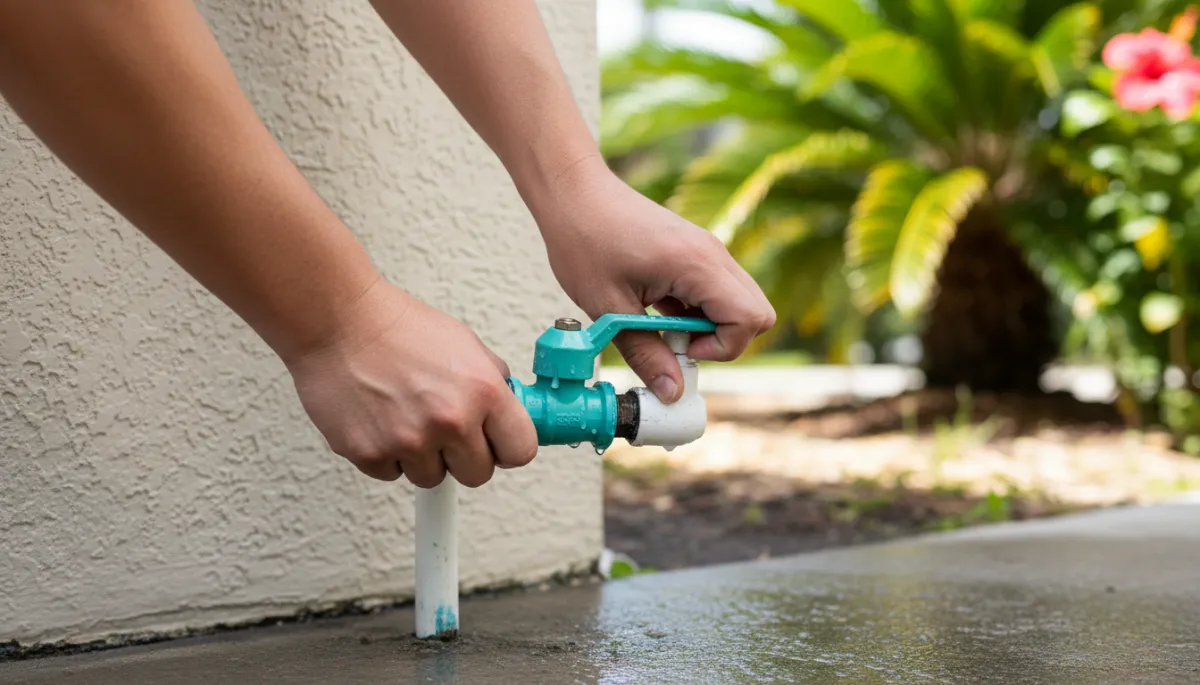
Knowing your main shutoff location before a storm can prevent thousands in water damage.
Your Hurricane-Prep Plumbing Checklist (Print-Friendly)
Below is a single, organized checklist you can print and check off with a pen. It’s broken into three timeframes so you’re never wondering what to do next. Feel free to copy and share this with neighbors and on Facebook groups for your SWFL community.
1 Week Before the Storm: Inspection & Setup
When a storm is still several days out, you have time to walk your property, tighten up vulnerabilities, and line up emergency water supplies. This is also the perfect time to handle small repairs before they become big problems under hurricane stress.
☐ Find and label your main water shutoff valve. Locate the main shutoff (usually near the street, meter box, or where the main line enters the house). Use a waterproof tag or bright fresh-aqua tape so anyone in the household can find it fast. Many hurricane plumbing guides emphasize this as one of the most important steps in storm plumbing prep (Plumbing Today).
☐ Inspect indoor plumbing for leaks. Check under sinks, around toilets, at the base of your water heater, and behind your washing machine. Fix small drips now so they don’t turn into bursts when pressure changes during the storm.
☐ Secure exposed pipes and outdoor plumbing. Gently wiggle any exposed pipes along exterior walls or in crawlspaces. If they move, secure them with brackets or straps so wind and flying debris don’t damage them during the storm.
☐ Hose-bib steps: disconnect and protect. Unscrew garden hoses from each outdoor faucet (hose-bib), drain them, and store them inside. Install insulated covers or wrap hose-bibs with towels and plastic secured by tape. This protects fittings from wind-driven debris and helps prevent damage if temperatures drop after the storm or if pressure surges through the line.
☐ Irrigation system prep. Turn off your irrigation timer and, if possible, shut the irrigation supply valve. Many SWFL yards have shallow sprinkler lines that can break during flooding. Shutting off the system reduces the risk of leaks and wasted water after the storm if a line cracks. Secure above-ground sprinkler heads and backflow assemblies with straps if they’re exposed.
☐ Clear gutters, downspouts, and yard drains. Scoop out leaves and debris so heavy rain has somewhere to go. National hurricane plumbing tips consistently stress clear drainage as a key step in preventing water from backing up into your home (Roto-Rooter).
☐ Backflow preventer checks. If your home has a backflow preventer (often required for irrigation or near the water meter), visually inspect it. Make sure the cover is intact, bolts are tight, and the device is not leaking. A healthy backflow device is a big part of sewer backup prevention during and after a surge, keeping contaminated water from flowing back into your home’s plumbing or the public supply (Angi).
☐ Water heater safety check. Look around your water heater for rust, dampness, or corrosion. Make sure it’s strapped securely to the wall, especially if it’s in a garage or closet that could flood. If it’s in a low area, consider placing it on a sturdy platform to reduce flood risk, as recommended in many Water Heater Safety resources for hurricanes (Hurricane Preparedness).
☐ Stock emergency water and basic plumbing supplies. In addition to bottled drinking water, pick up plumber’s tape, a basic wrench, rubber gloves, and a few rags. These small items can help you manage minor leaks if they appear during or after the storm.
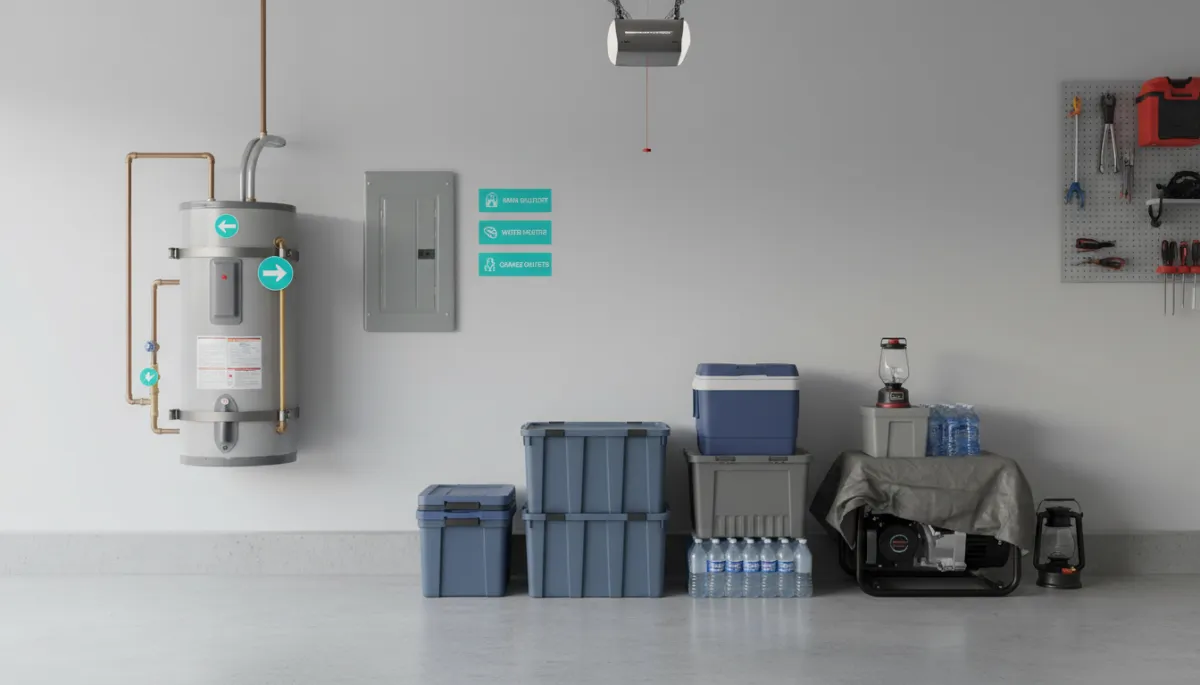
A secured, clearly labeled water heater makes shutdown and restart safer and faster.
24 Hours Before Landfall: Shutoffs & Storm Plumbing Tips
As the forecast tightens and watches turn into warnings, it’s time for focused, last-minute steps. This is where you’ll shut off water, protect your water heater, and get your home ready in case the municipal system is overwhelmed. These storm plumbing tips are designed for that final 24-hour window when every move counts.
☐ Shutting off the main water. If you’re evacuating or expect significant flooding, use your pre-labeled main shutoff to turn off water to the entire house. This protects you from broken pipes, burst lines, and unexpected leaks if debris damages your service line during the storm. Turn the valve clockwise until it stops. If you’re staying and local officials recommend it, shut it off then too.
☐ Water heater precautions. For electric units, flip the water-heater breaker off at the electrical panel. For gas units, turn the gas control knob to the “off” or “pilot” position according to the manufacturer’s instructions. This is a key piece of Water Heater Safety during hurricanes: turning off utilities before the storm hits reduces the risk of electrical damage, gas leaks, or overheating if the tank is partially drained by a leak (Safety.com).
☐ Filling the tub and containers. Before you shut off the main water, fill bathtubs and large, clean containers with water. This non-drinking water is perfect for flushing toilets and quick cleanups if the water system goes down or becomes contaminated. Many hurricane prep guides highlight this step as an easy way to maintain basic comfort during outages.
☐ Final hose-bib and irrigation system checks. Do one last walk-around to confirm every hose is disconnected, hose-bibs are wrapped or covered, and the irrigation system remains off. If your sprinkler system has an exposed backflow assembly, double-check that it’s firmly anchored and that the shutoff valves are in the recommended position for storms (often half-open to avoid locking up, but follow your installer’s guidance).
☐ Seal around vulnerable pipe openings. Use plastic and tape or expanding foam (if you have time) to seal gaps where pipes enter walls or foundations, especially low on exterior walls. This can help reduce wind-driven rain intrusion and pests seeking shelter during the storm.
☐ Reduce strain on the sewer system. As the storm approaches, avoid long showers, laundry, and dishwashing marathons. Heavy use adds more wastewater to an already stressed sewer system and can increase the risk of backups during peak rainfall.
💡 Pro Tip: Take quick photos of your shutoff valves, water heater, and backflow preventer before the storm. They help with insurance claims and make it easier to remember how things were set up.

A filled tub provides non-drinking water for flushing and cleaning when service is disrupted.
After the All-Clear: Safe Restart & Sewer Backup Prevention
When the wind dies down and officials give the all-clear, it’s tempting to flip everything back on and try to return to normal. Take it slow. Post-storm, your plumbing system may be dealing with hidden damage, contaminated water, or an overloaded sewer system. This is where careful sewer backup prevention, water heater safety, and a thorough post-storm leak walkthrough really pay off.
☐ Look for visible damage outside first. Before turning anything back on, walk the perimeter of your home. Check for broken or shifted pipes, damaged hose-bibs, cracked backflow preventers, or irrigation components pulled out of the ground. Take photos of any damage for insurance.
☐ Check for signs of sewer problems. If you see standing water around sewer cleanouts, notice strong sewage odors, or hear gurgling in drains, do not flush toilets or run large amounts of water. This could indicate the municipal system is still overwhelmed, and using it could push sewage back into your home. Contact your city or a licensed plumber for guidance before using the system heavily. Many post-hurricane resources emphasize waiting until sewers stabilize to avoid backups into tubs and toilets (Home Inspection Safety).
☐ Sewer backup prevention after a surge. If your home has a backwater valve or backflow device on the sewer line, make sure the cover is intact and the area is free of debris. Avoid opening or tampering with the device itself unless you are trained. If you experienced flooding, consider having a plumber inspect and clean the line before heavy use. In the meantime, flush toilets sparingly and stagger showers and laundry to reduce demand on the system.
☐ Slowly turn the main water back on. If there’s no visible damage and local officials say water service is restored, gently turn the main valve counterclockwise to restore water. Do this slowly to avoid a sudden pressure surge that could stress weakened pipes. Listen carefully for hissing or rushing sounds that might indicate a hidden leak.
☐ Post-storm leak walkthrough. With the water back on, walk through your home room by room:
Check under every sink and around every toilet for drips or puddles.
Look at ceilings and walls beneath bathrooms and the laundry room for new stains.
Inspect around the water heater and washing machine for moisture or unusual sounds.
Walk outside and recheck hose-bibs, irrigation lines, and the backflow preventer for leaks now that pressure is restored.
☐ Careful water heater restart. Only restore power to your water heater after you’re confident there’s no leak and the area around it is dry:
For electric units, flip the water-heater breaker back on at the panel.
For gas units, follow the manufacturer’s instructions to relight the pilot or restart the unit safely.
If the tank was ever submerged or you see rust, cracks, or bent connections, call a professional before using it. Post-hurricane safety guides strongly recommend professional inspection in these cases to avoid gas leaks or electrical hazards.
☐ Flush lines if water quality is questionable. If there’s a boil-water notice or the water looks cloudy at first, run cold water taps for a few minutes (once officials say it’s safe to do so) to flush out sediment. Use bottled or boiled water for drinking and cooking until your utility confirms the supply is safe.
☐ Reset irrigation and outdoor systems carefully. Once the yard dries out a bit, turn the irrigation system back on and walk the property to look for geysers, soggy spots, or broken heads. Repair any visible damage and keep an eye on your water bill for a month or two; a sudden spike can indicate a hidden leak underground.
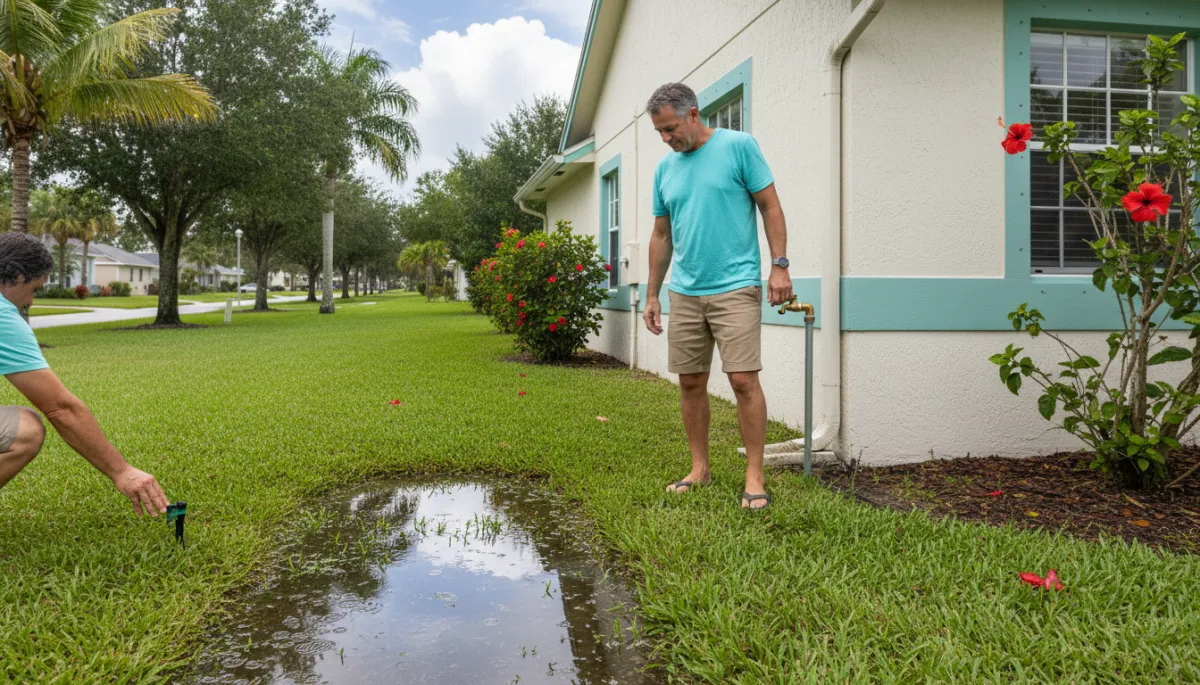
A slow, careful walkthrough after the storm helps catch leaks before they cause major damage.
Make This Checklist Your SWFL Hurricane Season Habit
Hurricanes will always be part of life in Southwest Florida, but plumbing disasters don’t have to be. With a simple, repeatable routine, you can dramatically cut your risk of burst pipes, sewer backups, and water heater failures. This Hurricane Preparation guide is designed to be seasonal and shareable, so you can print it, post it on the fridge, and pull it out every June—or anytime a named storm pops up in the Gulf.
Here’s a quick recap of your hurricane plumbing game plan:
One week before: Inspect for leaks, secure pipes, prep hose-bibs and the irrigation system, clear drains, and check your backflow preventer. Make sure your water heater is secure and in good shape.
24 hours before: Shut off the main water if recommended, turn off the water-heater breaker or gas, fill the tub and containers, and do final outdoor checks. Cut back on water use to ease strain on the sewer system.
After the all-clear: Walk your property and your home, watching for leaks, sewer issues, and damage. Slowly restore water, restart the water heater carefully, and keep an eye on your irrigation system and backflow devices.
💡 Neighborly Idea: Print a few extra copies of this checklist, highlight the main steps for your neighborhood, and drop them off with nearby homeowners—especially anyone new to SWFL or living alone.
If you’re ever unsure about the condition of your plumbing system, especially after a major storm, don’t hesitate to call a licensed local plumber. Many SWFL plumbing pros offer pre-season inspections and post-storm checkups focused on storm plumbing tips, Water Heater Safety, and sewer backup prevention. A quick visit now can save you from a costly emergency later.
Feel free to bookmark, print, and share this Hurricane-Prep Plumbing Checklist on Facebook, in your neighborhood group chat, or with your HOA email list. The more SWFL homeowners who follow these simple steps, the better our whole community weathers the next storm—together, and with a lot less stress over what’s happening behind the walls and under the floors.

Facebook
Instagram