
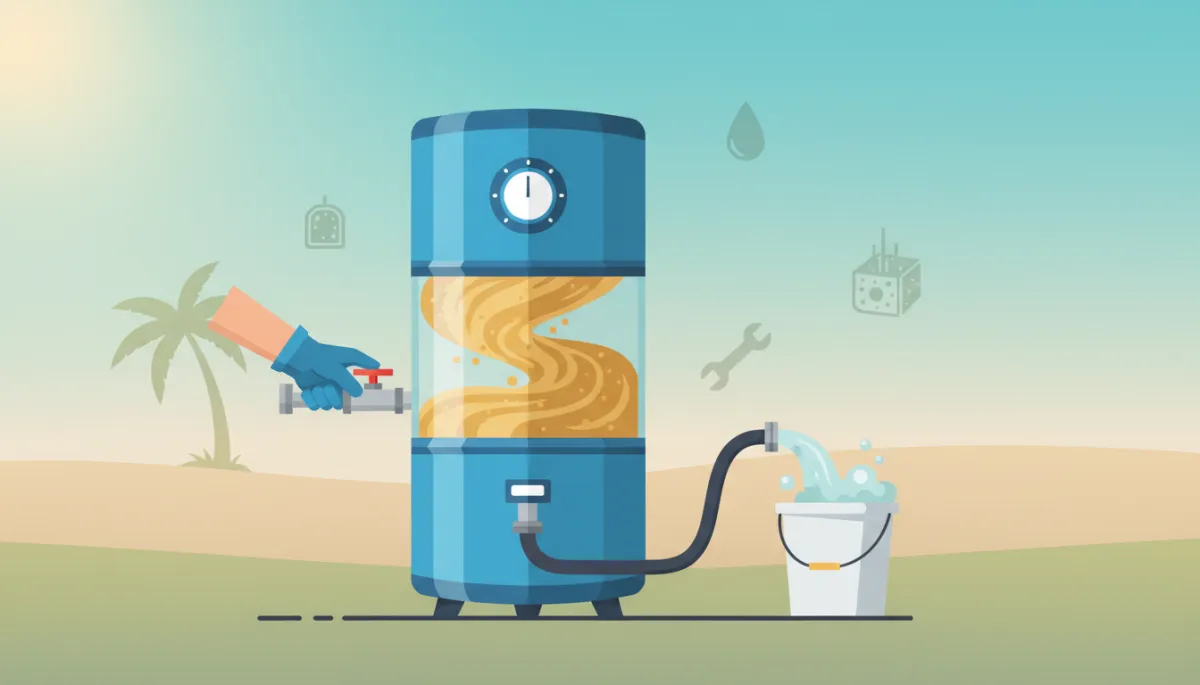
Flush Your Water Heater: SWFL Sediment Removal Guide
Home Maintenance, Water Heaters, SWFL Sediment Removal
Step-by-Step Guide: How to Flush a Water Heater to Remove SWFL Sediment
If you live in Southwest Florida, keeping up with tank water heater maintenance isn’t just a nice-to-have chore—it’s essential. Our hard water and unique limestone-rich aquifers mean sediment builds up faster here than in many other parts of the country. This friendly water heater flushing guide will walk you, step by step, through how to flush a water heater for SWFL sediment removal, how often to do it, and what makes Florida’s limestone buildup so different.
Why SWFL Homeowners Need to Flush Water Heaters More Often
Before we jump into the step-by-step process, it helps to understand why flushing matters so much in Southwest Florida. Our water supply flows through limestone formations, picking up high levels of calcium and magnesium. Over time, these minerals settle at the bottom of your tank and harden into a thick, crunchy layer of scale. That’s the limestone buildup Florida is famous (or infamous) for.
Nationally, many experts recommend flushing a tank water heater once a year. In SWFL, that schedule is usually not enough. Because of the mineral-heavy aquifers, a Southwest Florida homeowner should plan to flush a water heater every 6 months, and in areas with especially hard water, even every 3–4 months is smart. Think of it as cheap insurance against premature tank failure and sky-high electric bills.
💡 Homeowner Water Heater Tip: If your water heater rumbles, pops, or takes longer to heat water, that’s your tank begging for a flush, especially in Southwest Florida’s hard-water zones.
What You’ll Need for a Safe SWFL Sediment Removal Flush
Flushing a tank water heater is very manageable for a handy homeowner. To follow this water heater flushing guide, gather a few simple supplies first so you’re not scrambling mid-project:
Standard garden hose long enough to reach a drain or driveway
Flathead screwdriver or small wrench (for some drain valves)
Bucket (optional, for checking how much sediment comes out)
Work gloves and closed-toe shoes (hot water protection)
Towel or rag for minor drips
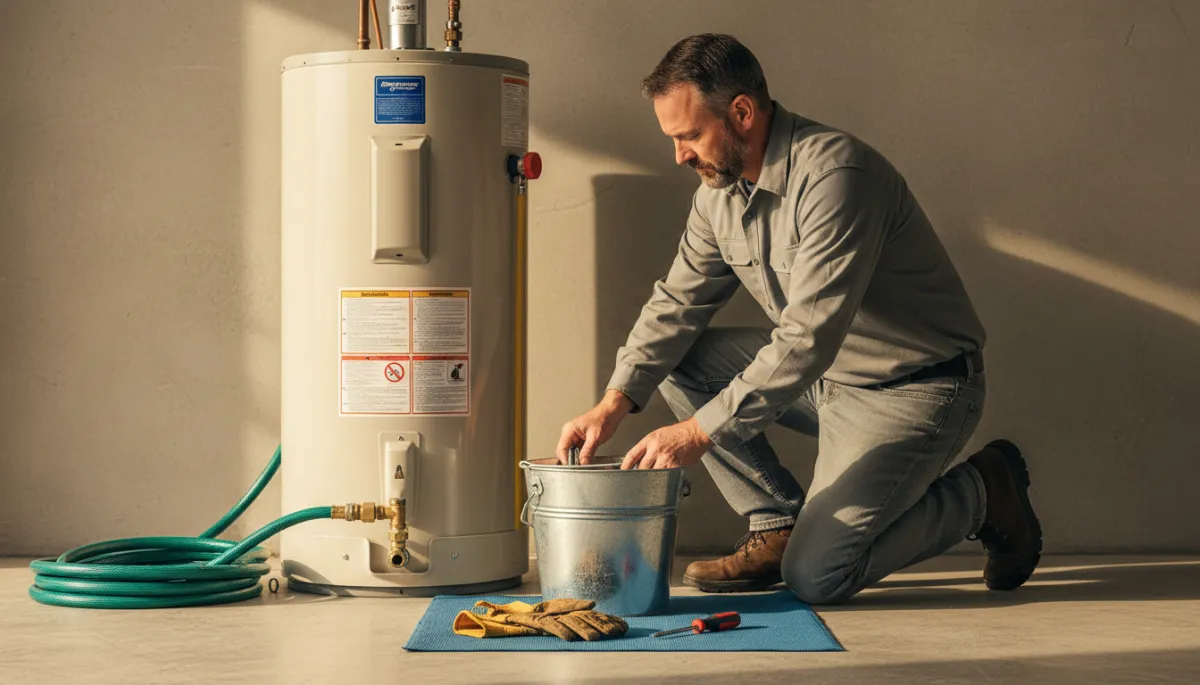
Laying out tools first keeps your water heater flush smooth and stress-free.
Step-by-Step: How to Flush Tank Water Heater Sediment in Florida
Step 1: Turn Off Power and Water Supply
For an electric water heater, switch off the breaker labeled “water heater” in your electrical panel. For gas units, turn the gas control knob to the “Pilot” or “Off” position. This protects your heating elements and keeps you safe while you flush water heater sediment. Next, locate the cold-water shutoff valve on the pipe entering the top of the tank and turn it to the Off position to stop incoming water.
Step 2: Allow the Water to Cool Slightly
You’re dealing with very hot water, so give the tank at least 30–60 minutes to cool a bit after shutting off power. The water will still be warm enough to help loosen sediment, but it will be safer to work around. Use this time to hook up your hose and plan where the water will drain—many SWFL homeowners run the hose to the driveway or a safe outdoor area away from plants that don’t like hot water.
Step 3: Attach the Hose to the Drain Valve
At the bottom of your tank, you’ll see a threaded drain valve. Screw one end of the garden hose onto this valve and run the other end to your chosen drain location. Make sure the hose is secure; a loose connection can leak hot, sediment-filled water onto your garage floor. This is the main setup step in any tank water heater maintenance routine.
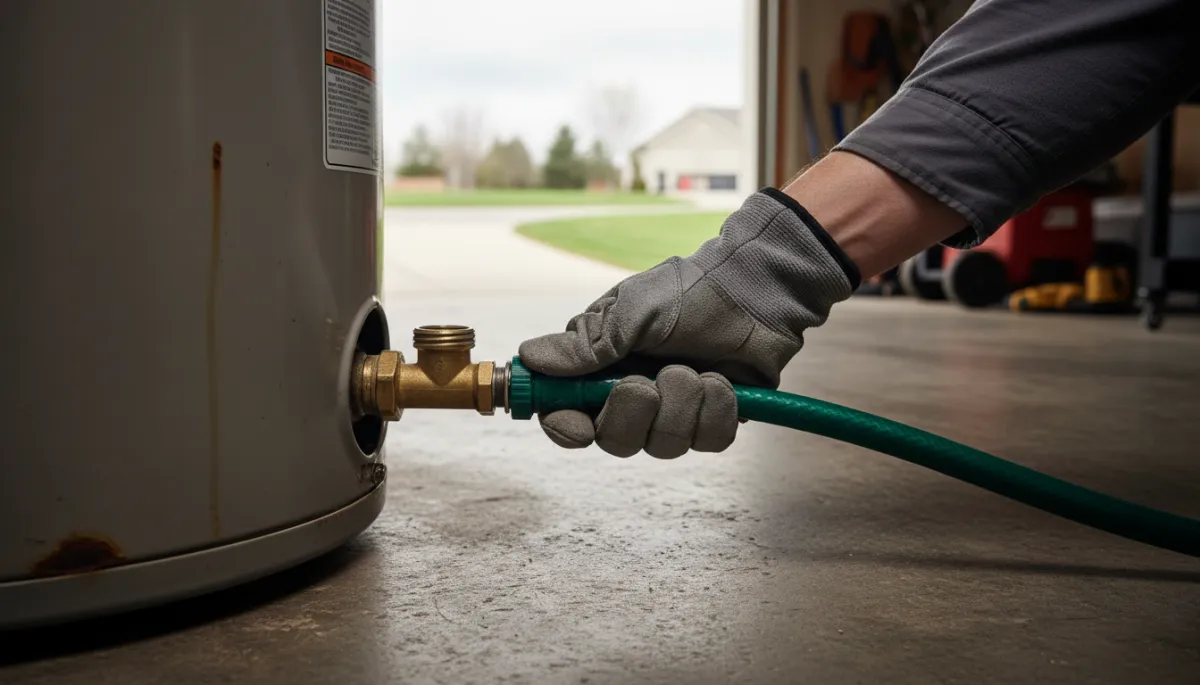
A secure hose connection keeps hot, gritty sediment flowing where you want it.
Step 4: Open a Hot Water Faucet to Break the Vacuum
Inside your home, turn on a hot water faucet—like at a sink or tub. Leave it in the “Hot” position. This simple trick prevents a vacuum from forming inside the tank and helps the water drain smoothly. You may hear some gurgling as air moves through the pipes; that’s completely normal when you flush water heater lines.
Step 5: Open the Drain Valve and Start Flushing
Carefully open the drain valve using your hand, a screwdriver, or a small wrench, depending on your model. Water will begin to flow through the hose. At first, especially in SWFL, you may see cloudy water full of sand-like particles. That’s the SWFL sediment removal you’re aiming for—layers of limestone and mineral scale that have been stealing efficiency from your heater.
Let the tank drain completely. For a typical 40–50 gallon heater, this may take 10–20 minutes. If the flow slows to a trickle but you know the tank isn’t empty, sediment may be clogging the valve. Gently closing and reopening the valve a few times can break up the blockage, but if it persists, it’s wise to call a professional plumber to avoid damaging the valve.
Step 6: Flush with Fresh Water to Clear Remaining Limestone Buildup
Once the tank is mostly empty, turn the cold-water supply back on for 2–3 minutes while leaving the drain valve and hose open. This extra step helps rinse out stubborn mineral chunks that cling to the bottom of the tank—a big help with limestone buildup Florida homeowners deal with. Watch the water coming out of the hose; when it runs clear and free of grit, your SWFL sediment removal job is doing its work.
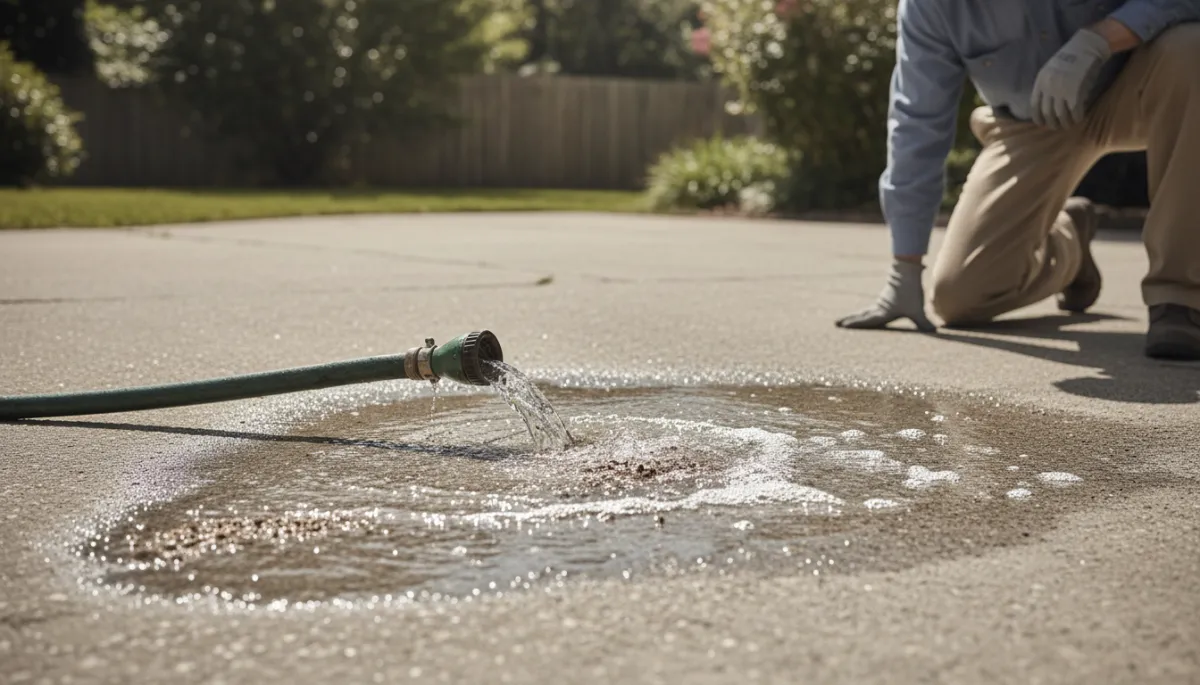
Keep flushing until water runs clear and gritty limestone particles fade away.
Step 7: Close the Valve, Refill, and Restore Power
When you’re satisfied that sediment is gone, turn off the cold-water supply again and close the drain valve firmly. Remove the hose and tighten the cap if your valve has one. Now, reopen the cold-water valve to refill the tank. Leave that indoor hot water faucet open until a steady stream (no spurts of air) comes out; that tells you the tank is full again.
Only after the tank is completely full should you restore power or gas. Flip the breaker back on for electric units or turn the gas control back to “On” for gas heaters and relight the pilot if needed. In the next hour or so, you’ll enjoy faster hot water and better efficiency thanks to your thorough tank water heater maintenance.
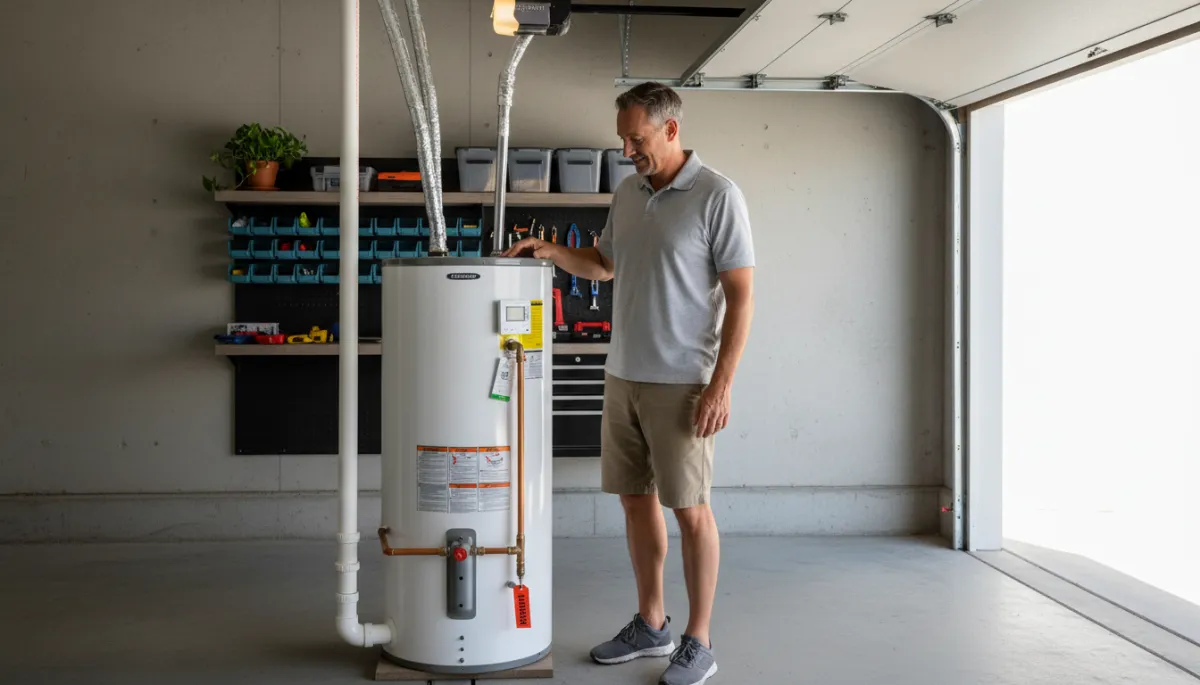
A freshly flushed tank heats faster, runs quieter, and lasts longer in SWFL homes.
How Often Should SWFL Homeowners Flush Compared to National Standards?
Across much of the United States, annual flushing is considered adequate tank water heater maintenance. In moderate water hardness areas, sediment simply doesn’t accumulate as quickly. But SWFL is different. Our limestone-based aquifers constantly feed mineral-rich water into your tank, building layer after layer of sediment on the bottom.
Region Recommended Flush Frequency National Average Every 12 months SWFL (Typical Hard Water) Every 6 months SWFL (Very Hard or Well Water) Every 3–4 months
If you’re on a private well or notice heavy white scaling on faucets and showerheads, lean toward the more frequent schedule. You’ll dramatically reduce the risk of burnt-out heating elements, noisy operation, and reduced tank capacity caused by thick sediment blankets at the bottom of the tank.
📌 Key Takeaway: In SWFL, aim to flush twice as often as the national recommendation. Your wallet—and your water heater—will thank you later.
Extra Homeowner Water Heater Tips for SWFL Residents
To get even more life and performance from your water heater in Florida’s challenging water conditions, pair regular flushing with a few simple habits:
Check the anode rod every 2–3 years: This sacrificial rod helps protect your tank from corrosion, especially important in mineral-rich water.
Set the thermostat around 120°F: This temperature is hot enough for comfort and safety but can help slow scale formation a bit compared to higher settings.
Consider a whole-home water softener or conditioner: Reducing hardness at the source cuts down on limestone buildup throughout your plumbing, not just in the water heater.
Schedule a professional inspection every few years: A licensed plumber can spot early warning signs that even a diligent homeowner might miss.
Bringing It All Together: A Simple Routine for SWFL Sediment Removal
Living in Southwest Florida means enjoying sunshine, beaches, and warm weather—but it also means dealing with hard, limestone-rich water. By following this friendly, step-by-step water heater flushing guide, you can easily manage SWFL sediment removal at home. A quick flush every 6 months (or more often for very hard water) keeps your tank running quietly, efficiently, and safely for years longer than a neglected system.
With a garden hose, a little patience, and the right know-how, you can take control of tank water heater maintenance and stay ahead of Florida’s relentless limestone buildup. Mark your calendar, listen for rumbling or popping sounds, and treat your water heater to regular care. Your future self—stepping into a hot shower after a long day—will be glad you did.


Facebook
Instagram