
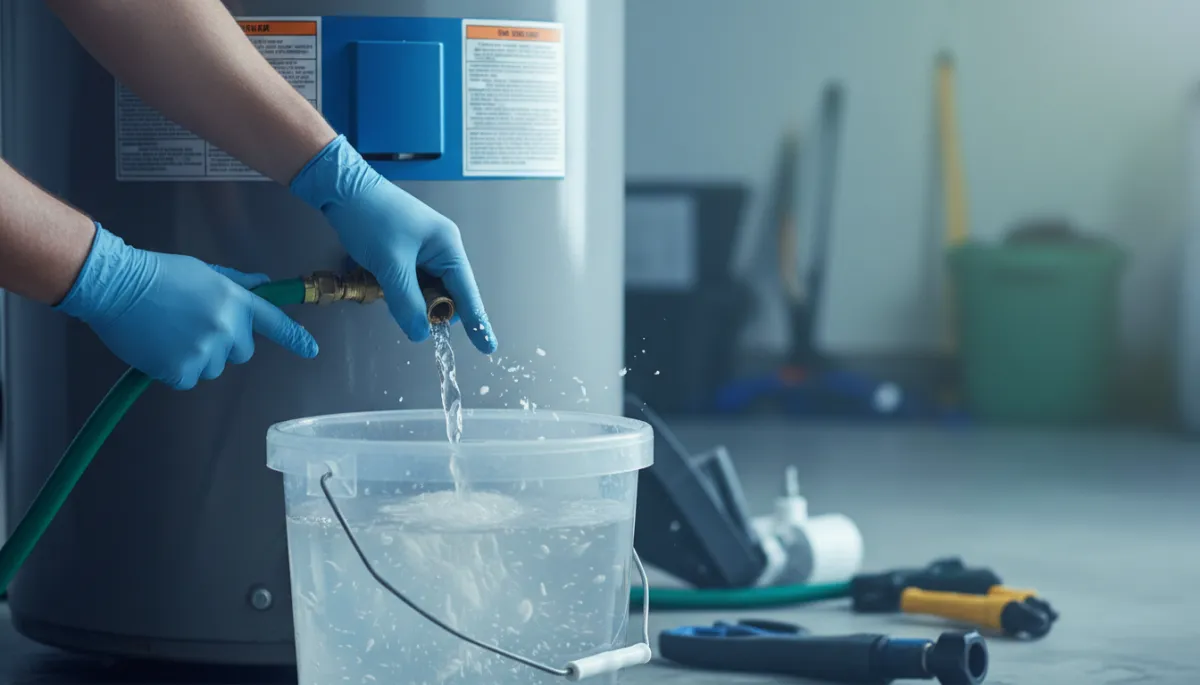
Flush Water Heater in Florida: Remove Calcium Buildup
Home Maintenance, Florida Water Heater Tips, Calcium Buildup Removal
How to Flush a Water Heater in Florida to Remove Calcium Buildup: A Step-by-Step Guide
If you live in Southwest Florida (SWFL), those white “calcium flakes” in your hot water are a common and frustrating issue. This comprehensive guide walks you through professional, step by step flushing techniques to Flush Water Heater systems safely, improve performance, and extend equipment life—specifically tailored to Florida’s hard-water conditions.
Why Florida Water Heaters Get White Calcium Flakes
Southwest Florida is known for hard water, rich in dissolved minerals such as calcium and magnesium. When water is heated, these minerals precipitate out and form calcium carbonate deposits. Over time, they accumulate at the bottom of the tank and break apart into small, sharp-edged white flakes that travel through your plumbing and fixtures.
These white “calcium flakes” are not usually dangerous, but they are a nuisance and a sign that your water heater is overdue for Calcium Buildup Removal. Left unchecked, mineral buildup can:
Reduce heating efficiency and increase energy bills
Cause popping, rumbling, or banging noises in the tank
Clog aerators, showerheads, and washing machine screens with flakes
Shorten the lifespan of the heater by overheating the tank bottom
📌 Key Takeaway: If you see white flakes in hot water only, not in cold, your tank likely needs immediate Step By Step Flushing to remove built-up calcium.
Tools and Safety Preparation Before You Flush a Water Heater
Proper Water Heater Maintenance starts with safety. Before you begin any Calcium Buildup Removal or attempt to Remove Calcium Flakes naturally, assemble the following items:
Garden hose (dedicated for draining, long enough to reach outside or a floor drain)
Flathead screwdriver or small wrench (for some drain valves)
Bucket (to check sediment and flakes at the end of the hose)
Towels or rags for small spills around the heater
Gloves and safety glasses (recommended when working around hot water and valves)
⚠️ Warning: Water inside the tank can be extremely hot. Always shut off power or gas and allow cooling time before you Flush Water Heater systems, especially in warm Florida garages where ambient temperatures are already high.
Step-by-Step Guide: How to Flush a Water Heater in SWFL
Step 1: Turn Off Power or Gas Supply
For an electric water heater, switch off the breaker at the main electrical panel. For a gas heater, turn the gas control knob to the “pilot” or “off” position. This prevents the heating elements or burner from running while the tank is empty, which could cause damage.
Step 2: Shut Off the Cold Water Supply
Locate the cold water shut-off valve on the pipe entering the top of the heater and turn it clockwise to close. This stops new water from entering the tank during the flushing process and allows you to control the flow for effective Calcium Buildup Removal.
Step 3: Open a Hot Water Faucet to Relieve Pressure
Inside the home, open a hot water faucet—preferably a bathtub or sink closest to the heater. Leave it open. This relieves pressure in the system and allows air to enter as the tank drains, helping sediment and those white calcium flakes flow out more freely.
Step 4: Connect the Drain Hose
Attach your garden hose securely to the drain valve located near the bottom of the tank. Run the other end of the hose to a safe drainage location—outside on the driveway, into a floor drain, or into a large bucket. Remember that initial water may still be hot, especially in Florida’s warm climate.
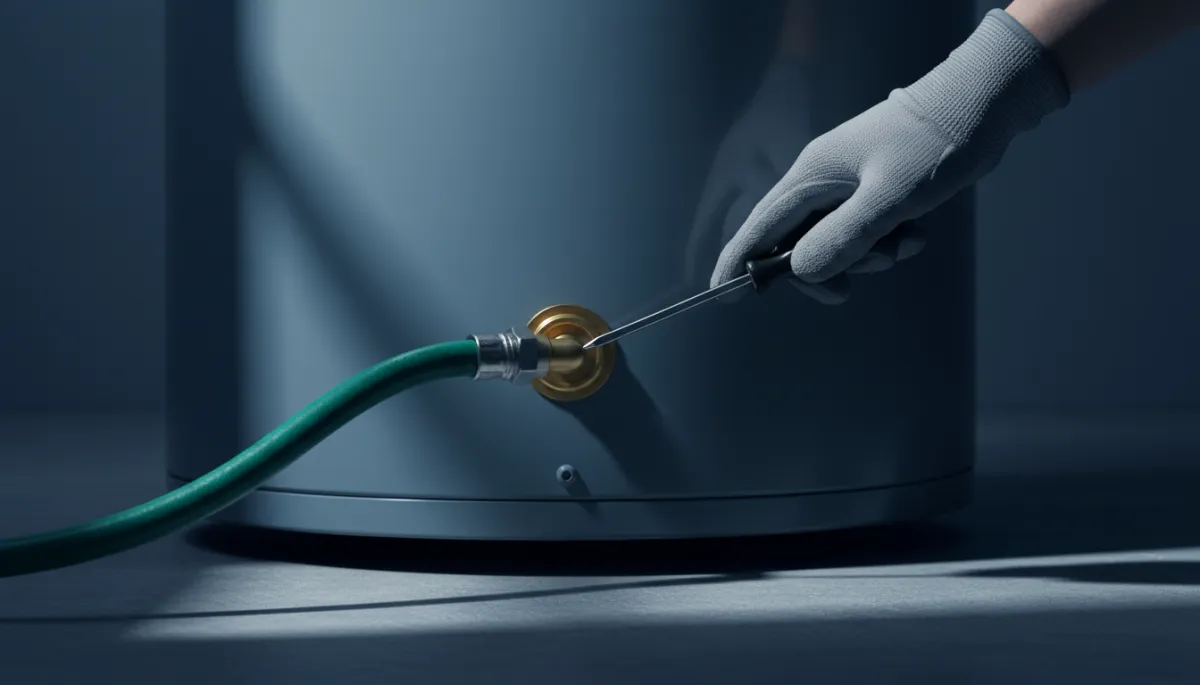
A secure hose connection prevents leaks and directs calcium flakes safely away from the home.
Step 5: Drain the Tank and Flush Out Calcium Flakes
Open the drain valve slowly. Water will begin flowing through the hose. At first, it may look cloudy and carry a heavy load of sediment and white calcium flakes. Allow the tank to drain completely. This is the core of Step By Step Flushing and is essential to effective Florida Water Heater Tips for long-term performance.
To improve flushing, briefly turn the cold water supply back on while the drain valve is still open. This creates a stirring action inside the tank, breaking up and pushing out more mineral deposits. Alternate between draining and refilling in short bursts until the water runs clear and you no longer see white flakes in the bucket or at the hose outlet.
Step 6: Close the Drain Valve and Refill the Tank
Once the water runs clear, close the drain valve tightly and remove the hose. Turn the cold water supply back on fully. Keep the indoor hot water faucet open until a steady stream of water (without air sputtering) flows from the tap. This confirms the tank is full and purged of air.
Step 7: Restore Power or Gas and Check for Leaks
Turn the breaker back on for electric units or relight / switch on the gas control according to the manufacturer’s instructions. Inspect around the drain valve and connections for any drips. If you notice leaks, gently tighten the valve, but avoid overtightening, which can damage older fittings commonly found in SWFL homes.
💡 Pro Tip: After your first full Flush Water Heater procedure, check faucet aerators and showerheads. Unscrew and rinse them to clear any remaining calcium flakes that may have traveled through the lines.
Natural and Preventive Approaches to Reduce Calcium Buildup
While a mechanical flush is the primary method for Calcium Buildup Removal, there are ways to Remove Calcium Flakes naturally and reduce new scale formation between major flushes, especially important for Florida Water Heater Tips where hard water is a daily reality.
Annual or semiannual flushing: In SWFL, schedule Step By Step Flushing at least once a year—twice a year if you notice frequent flakes or noise from the tank.
Lower the thermostat slightly: Extremely high temperatures accelerate mineral precipitation. Setting the heater around 120°F is safer, more efficient, and can slow scale buildup.
Consider a whole-house water softener or conditioner: These systems treat the incoming water, significantly reducing the amount of calcium entering the tank and extending the time between flushes.
Inspect and replace the anode rod: A worn anode rod can accelerate corrosion and contribute to sediment issues. Checking it every few years is part of smart Water Heater Maintenance.
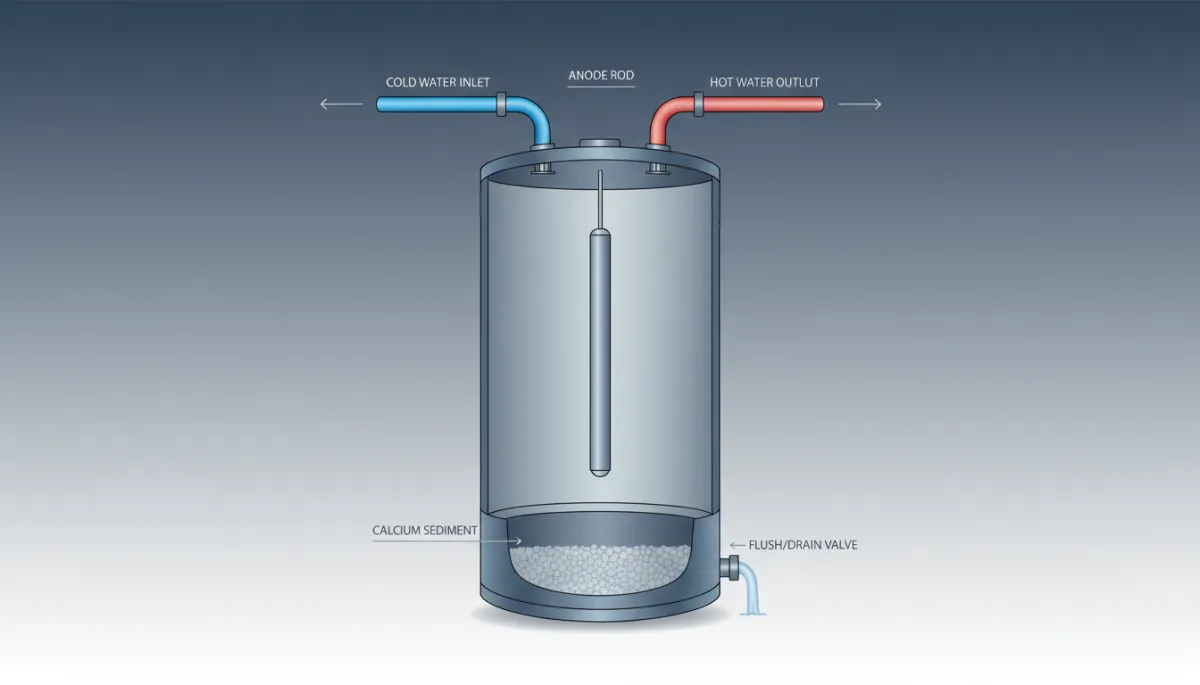
Regular flushing keeps sediment levels low, improving efficiency and extending tank life.
Florida-Specific Water Heater Maintenance Tips
Florida’s climate and water quality create unique demands on water heaters. Integrating the following Florida Water Heater Tips into your routine will help keep those white calcium flakes under control and protect your investment:
Garage and outdoor locations: Many SWFL water heaters are in garages or exterior closets. Check that the area is clean, dry, and free of corrosive chemicals or salt-laden air that can accelerate tank deterioration.
Hurricane and power outage readiness: After extended outages, perform a quick inspection and partial flush to clear any settled sediment before returning to full use.
Monitor for sudden changes: If you notice an abrupt increase in calcium flakes, loud popping sounds, or rusty-colored water, schedule a more thorough Flush Water Heater session or consult a licensed plumber.
When to Call a Professional Plumber
A careful homeowner can usually perform routine Step By Step Flushing safely. However, some situations call for professional assistance, particularly in older SWFL homes or when signs of severe calcium buildup appear. Contact a licensed plumber if you notice:
Persistent leaks from the drain valve or tank seams after flushing
Discolored or metallic-tasting hot water even after Calcium Buildup Removal
Strong rotten-egg odor (possible bacteria or anode reaction) that flushing alone does not resolve
Difficulty relighting gas burners or restoring power safely
Conclusion: Make Flushing Part of Your Regular Water Heater Maintenance
In Southwest Florida, those white calcium flakes are more than a cosmetic issue—they are a clear signal that your water heater needs attention. By following this detailed, Step By Step Flushing process, you can safely Flush Water Heater tanks, perform effective Calcium Buildup Removal, and Reduce or Remove Calcium Flakes naturally from your hot water system.
Incorporating annual flushing into your Water Heater Maintenance plan improves efficiency, reduces energy costs, and extends the life of your equipment. Combined with Florida Water Heater Tips such as temperature adjustment, water conditioning, and regular inspections, you can enjoy cleaner, clearer hot water and fewer plumbing headaches in your SWFL home.
If you are uncomfortable performing any step or if your heater shows signs of advanced wear, do not hesitate to consult a licensed local plumber. A proactive approach today will help protect your home, your comfort, and your investment for years to come.
📞 Need Professional Help? For expert flushing, repairs, or a full inspection, contact My Plumbing Friends today. Visit our Contact Us page to schedule your appointment.


Facebook
Instagram