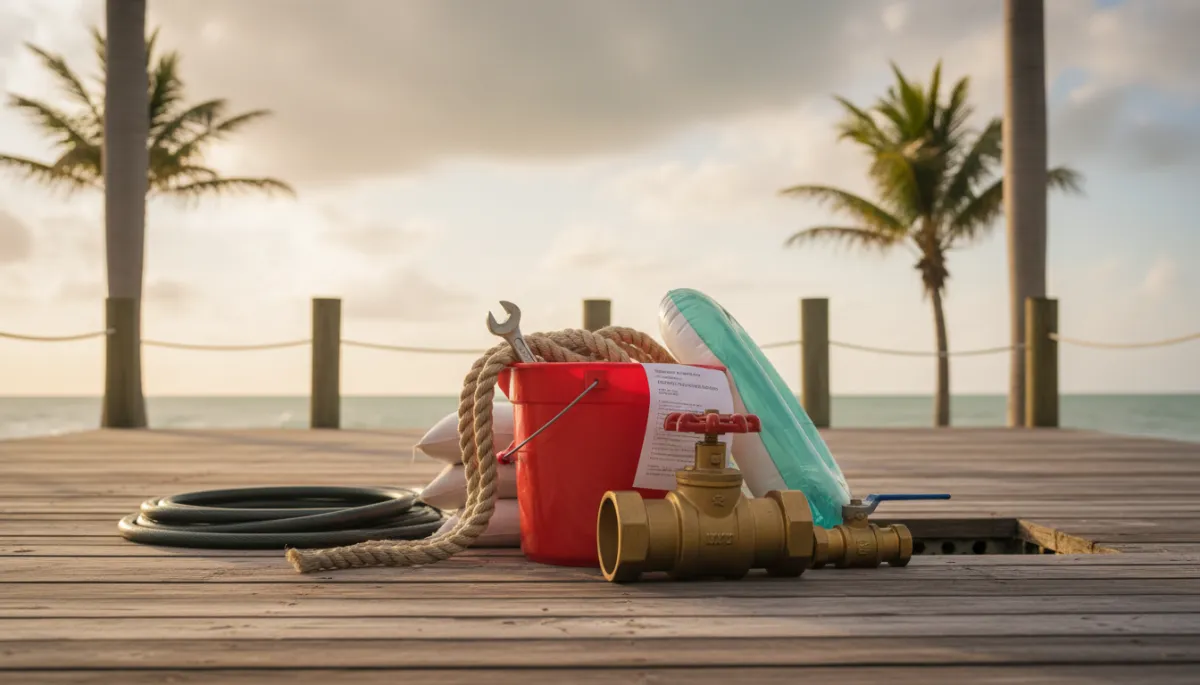
Emergency Plumbing Tips for Florida Hurricanes
Home Safety, Hurricane Plumbing, Florida Plumbing Prep
Your Emergency Plumbing Checklist for Florida’s Hurricane Season
When hurricane season hits Florida, most people rush to stock up on water, batteries, and plywood. But overlooking your home’s plumbing can lead to costly water damage, sewage backups, and dangerous contamination. This emergency plumbing checklist gives you clear, practical steps to protect your home before, during, and after a storm—especially when those summer systems start spinning in the Atlantic.
Why Hurricane Plumbing Prep Matters in Florida Summers
Florida’s hot, humid summer months line up perfectly with peak hurricane season. That means heavy rain, storm surge, and power outages can all hit your plumbing system at once. Hurricane Plumbing prep isn’t just about convenience—it’s about protecting your drinking water, your home’s structure, and your family’s health.
When the ground is saturated and winds are high, sewer lines can back up, pipes can burst, and pool water can overflow into your home or your neighbor’s yard. A thoughtful Florida Plumbing Prep plan can dramatically reduce the risk of flooding, contamination, and emergency repairs when it’s hardest to get help.
💡 Pro Tip: Start your hurricane plumbing checklist in late spring so you’re ready before the first named storm threatens the state.
Step 1: Locate and Label All Shut-Off Valves
One of the most important Hurricane Season Tips is knowing how to quickly shut off water to your home. In an emergency, every second counts. If a pipe bursts during a storm or a fixture starts leaking when you lose power, you need to act fast—even if a plumber can’t reach you right away.
Main water shut-off: Find the main shut-off valve where water enters your home (often near the street, exterior wall, or in a utility room). Make sure it turns smoothly and isn’t corroded.
Individual fixture shut-offs: Check the small shut-off valves under sinks, behind toilets, and near your washing machine. These let you isolate a single fixture without cutting water to the entire house.
Water heater shut-off: Know where to turn off cold water to your water heater and how to shut off power or gas if flooding is a concern.
📌 Key Safety Reminder: If water is rising or you suspect a gas leak, evacuate first. Do not put yourself in danger to reach a shut-off valve.
Simple Shut-Off Procedures to Practice Now
As part of your Emergency Plumbing Checklist, walk each family member through these basic shut-off procedures:
Turn off the main water supply by rotating the valve clockwise until it stops.
Practice shutting off water to toilets, sinks, and the washing machine individually.
Label each valve clearly with waterproof tags so no one has to guess during a storm.
If any valve is stuck, rusted, or leaking, schedule a professional inspection as part of your Florida Plumbing Prep before hurricane season ramps up. A frozen valve is the last thing you want to discover during a Category 3 storm.
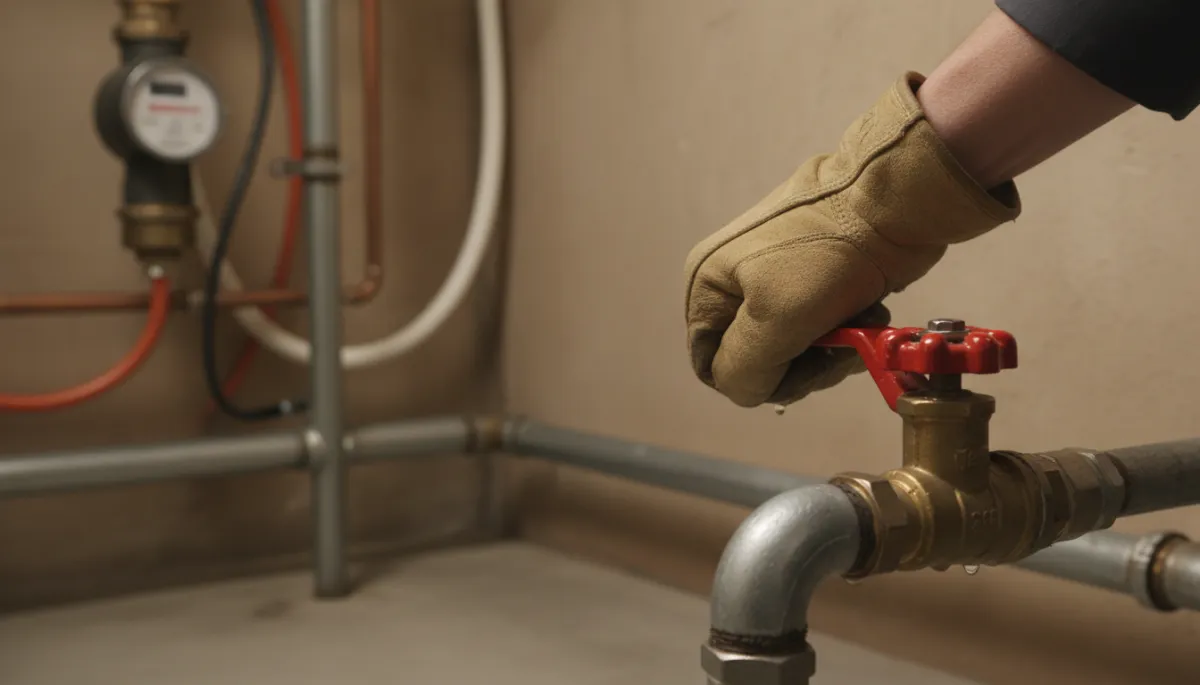
Practicing shut-off procedures now can save your home from major water damage.
Step 2: What to Do with Your Pool Overflow Before a Hurricane
Many Florida homes have pools, and that adds another layer to your Emergency Plumbing Checklist. When heavy rain bands stall over your neighborhood, your pool can fill quickly and overflow into your patio, home, or nearby properties. Proper Pool Overflow Procedures help you control where that excess water goes—and how clean it is when it gets there.
Safe Pool Overflow Procedures for Hurricane Season
Lower the water level slightly: A day before the storm, drain your pool water a few inches using the waste setting on your filter or a submersible pump. Avoid draining too much—your pool needs water weight to help keep it in the ground when the water table rises.
Check your overflow line: Many pools have built-in overflow or backwash lines. Make sure they are clear of debris and direct water away from your home’s foundation and septic system.
Avoid draining into the street: Local codes often prohibit draining pool water directly into storm drains because of chemicals. Follow city guidelines or consult a plumber who understands Hurricane Plumbing regulations in your area.
After the storm, test your pool’s chemistry before swimming. Heavy rainfall can dilute chemicals and introduce contaminants from nearby yards and roofs. If your pool equipment flooded, have it inspected to prevent electrical hazards and leaks.
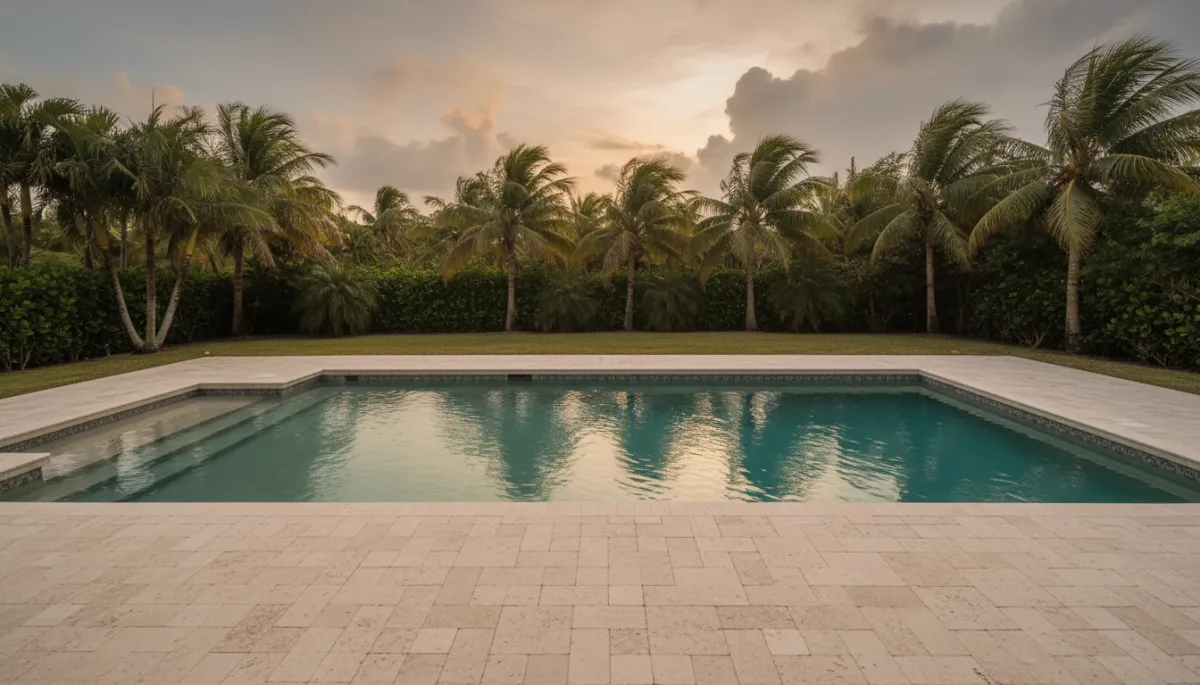
Preparing your pool overflow properly helps prevent flooding and protects nearby structures.
Step 3: Summer Safety Tips for Your Plumbing System
Florida’s summer heat and humidity put extra stress on your plumbing even before a storm arrives. These timely safety tips during the summer months can help you spot small issues before they become hurricane-sized problems.
Inspect outdoor spigots and hoses: Look for leaks, cracks, and corroded fittings. A small drip now can become a broken pipe in high winds or when debris hits your exterior walls.
Clear gutters and downspouts: While not “plumbing” in the traditional sense, clogged gutters push water toward your foundation and can overload your drainage system during a hurricane.
Check sump pumps and backflow devices: If your home has a sump pump or backflow preventer, test them before storm season. These devices are critical for Florida Plumbing Prep in low-lying or flood-prone areas.
💡 Pro Tip: Consider a battery backup for your sump pump so it can keep working even if you lose power during a hurricane.
Step 4: Build Your Emergency Plumbing Checklist
To make hurricane prep less overwhelming, turn these ideas into a written Emergency Plumbing Checklist you can tape inside a cabinet or store with your storm supplies. Here’s a sample you can customize for your Florida home:
Confirm the location and operation of all shut-off valves (main, fixtures, water heater).
Lower pool water level a few inches and verify pool overflow procedures.
Clear gutters, downspouts, and yard drains; move debris away from exterior walls and cleanouts.
Test sump pumps, backflow preventers, and any hurricane-rated check valves.
Turn off irrigation timers and secure exposed sprinkler heads or backflow assemblies.
Store plumber’s contact information and policy numbers in a waterproof folder.
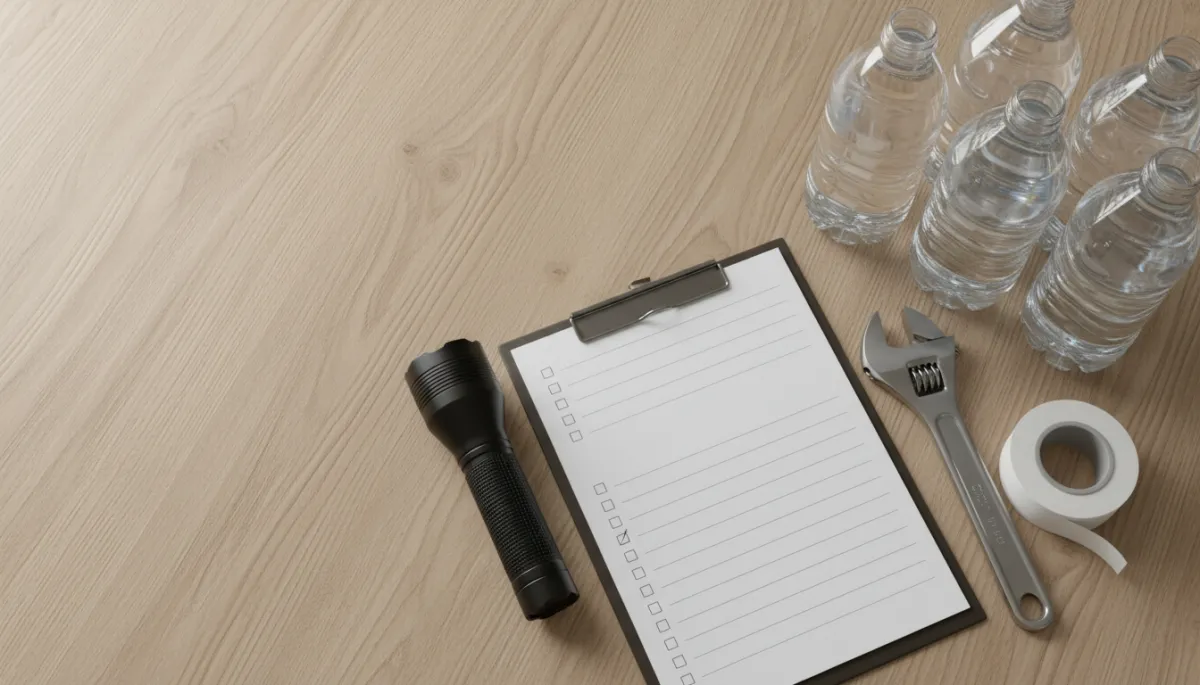
A written plumbing checklist keeps everyone calm and focused when a storm approaches.
Step 5: After the Storm – When to Call a Plumber
Once it’s safe to go outside, do a careful walkthrough of your home and yard. Even if everything looks fine at first glance, subtle signs can indicate hidden damage to your plumbing system after a hurricane or tropical storm.
Listen for running water sounds when all fixtures are off—this can signal a hidden leak.
Check ceilings, walls, and cabinets for new stains or dampness around plumbing lines.
Flush toilets and run taps briefly to check for slow drains or sewage smells, which may indicate line damage or blockages from storm debris.
⚠️ Warning: If you see sewage backing up into tubs, toilets, or floor drains, stop using water immediately and contact a licensed plumber. This is a health hazard and needs urgent professional attention.
Ready to Hurricane-Proof Your Plumbing?
The best time to prepare your plumbing for hurricane season is before the first storm is on the radar. Whether you need help locating shut-off valves, setting up a safe plan for pool overflow, or building a custom Emergency Plumbing Checklist for your home, our licensed Florida plumbers are here to help you feel confident and ready.
Don’t wait until a hurricane warning is issued. Contact us today to schedule your hurricane plumbing inspection and make sure your home is protected before the next storm hits.

Facebook
Instagram