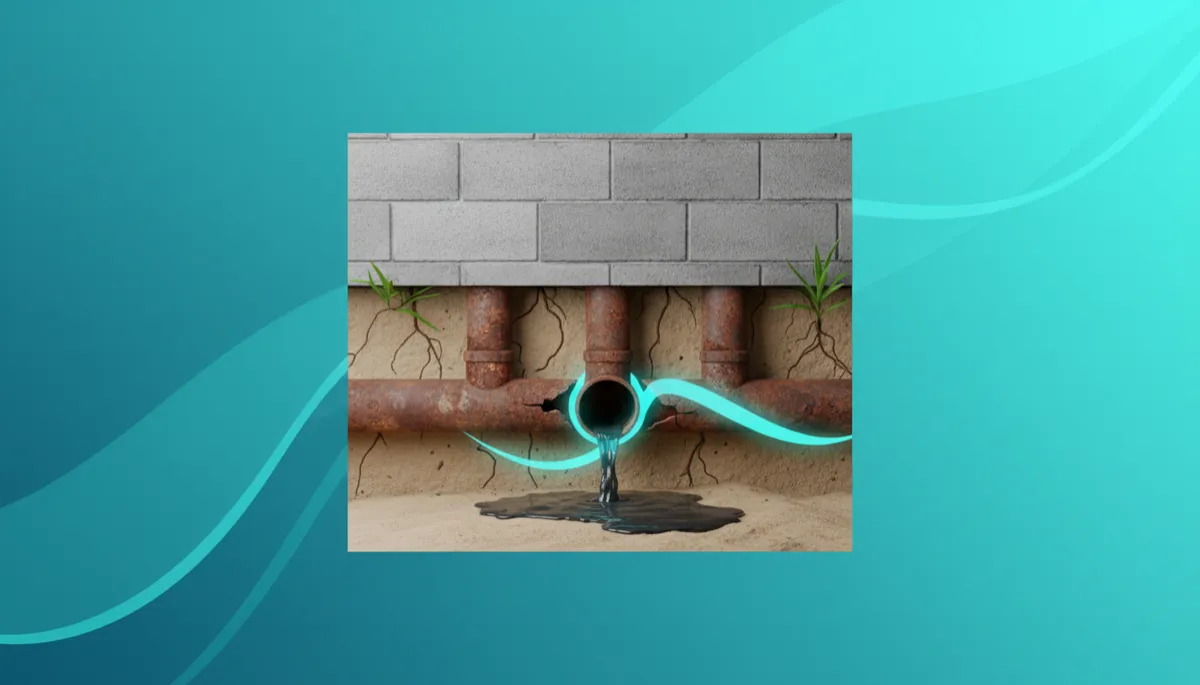
Prevent Cast Iron Pipe Failure in Florida Homes
Florida Homes Plumbing, Cast Iron Pipes, Sewer Pipe Failure
The Hidden Threat Under Pre-1975 Florida Homes: Cast Iron Drain Pipe Failure
If your Florida home was built before 1975, there’s a good chance its plumbing is quietly aging beneath your feet. Buried under your slab or yard may be a network of cast iron pipes that are well past their expected lifespan. They might look fine from the outside of your home, but inside those pipes, rust and corrosion could be setting the stage for messy, expensive sewer pipe failure. The good news? With the right knowledge and modern repair options, you can get ahead of the problem instead of being surprised by it.
Why So Many Florida Homes Still Have Cast Iron Pipes
For decades, cast iron pipes were the gold standard of Florida homes plumbing. Builders loved them because they were strong, heavy, and great at reducing noise from flowing water. If your home was built in the 1950s, 60s, or early 70s, cast iron was likely the default choice for drain and sewer lines under the slab and out to the street.
The problem is that cast iron doesn’t last forever—especially not in Florida’s hot, humid, and often salty environment. Most experts estimate a lifespan of about 50 years for cast iron drain lines. That means many pre-1975 homes are now well beyond the point where these pipes start to break down. Even if you’ve never had a major backup, corrosion could already be eating away at the inside of your plumbing system.
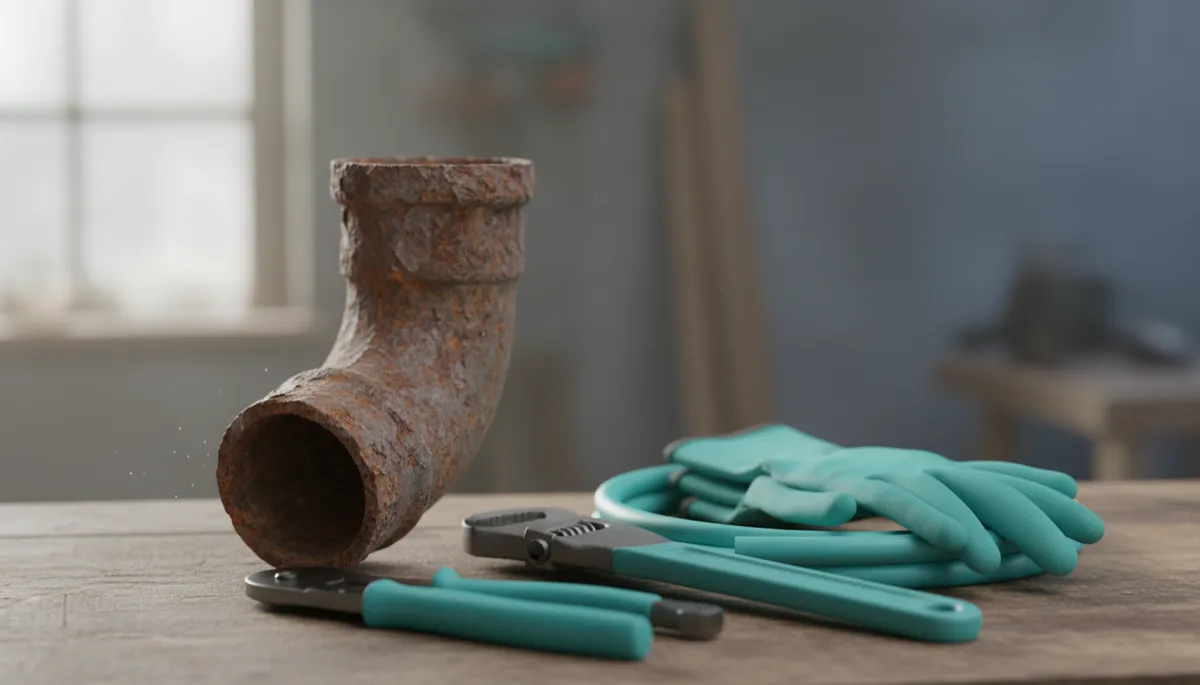
Many pre-1975 cast iron drain lines are now decades beyond their intended lifespan.
How Florida’s Environment Speeds Up Pipe Corrosion
Cast iron naturally rusts over time, but Florida gives it a few extra challenges. High groundwater levels, sandy soil, and coastal salt in the air can all accelerate corrosion. When moisture sits around the outside of your pipes, it attacks the metal from the outside in. Inside the pipe, wastewater, cleaning chemicals, and even small bits of sand and debris slowly grind away at the protective coating and expose bare metal to oxygen and water.
Over the years, this combination leads to thinning pipe walls, flaky rust, and eventually holes and cracks. In slab-on-grade homes that are so common across Florida, these drain lines are often encased in concrete. That makes it harder to spot problems until they’ve already caused serious damage to your home’s structure or interior finishes.
Rusting Signs You Shouldn’t Ignore
Because the pipes are hidden, many homeowners miss the early rusting signs of trouble. The key is to pay attention to small changes in how your plumbing behaves. On their own, each sign might not seem like a big deal. Together, they can point to a bigger issue with your cast iron system.
Slow drains throughout the house: If sinks, tubs, and showers are all draining slowly, it may be more than just a simple clog. Rust scale can build up inside the pipe, narrowing the opening and restricting flow.
Frequent backups or gurgling toilets: Air trapped in damaged pipes can cause toilets to bubble and gurgle. Repeated sewer backups are a classic warning sign of cast iron sewer pipe failure.
Mysterious odors: A persistent sewer smell inside or outside your home can indicate leaks in the drain line where sewer gas is escaping instead of flowing to the city main or septic tank.
Floor or wall staining: Dark spots, warping, or soft areas in flooring near bathrooms, kitchens, or laundry rooms may be caused by water leaking from failed pipes under the slab.
Unexpected foundation or tile cracks: When leaking drain water washes away supporting soil, your slab can shift, leading to new cracks in tiles, grout, or walls.
💡 Friendly Tip: If your home was built before 1975 and you notice two or more of these rusting signs, it’s wise to schedule a professional sewer camera inspection rather than just treating it as a simple clog.
What Sewer Pipe Failure Looks Like Under a Florida Home
When cast iron drains deteriorate far enough, you move from “annoying symptoms” to true sewer pipe failure. At this stage, the pipe may be cracked, collapsed, or missing sections entirely. Wastewater can leak directly into the soil beneath your slab or yard, carrying bacteria and moisture where it doesn’t belong.
Inside the home, you might see sewage backing up into tubs or floor drains, especially at the lowest points of the house. Outside, you may notice extra-green patches of grass, soggy spots that never seem to dry, or even sinkholes forming near the sewer line path. In addition to the health risks, this kind of failure can damage your flooring, baseboards, and drywall, and even impact your home’s foundation over time.
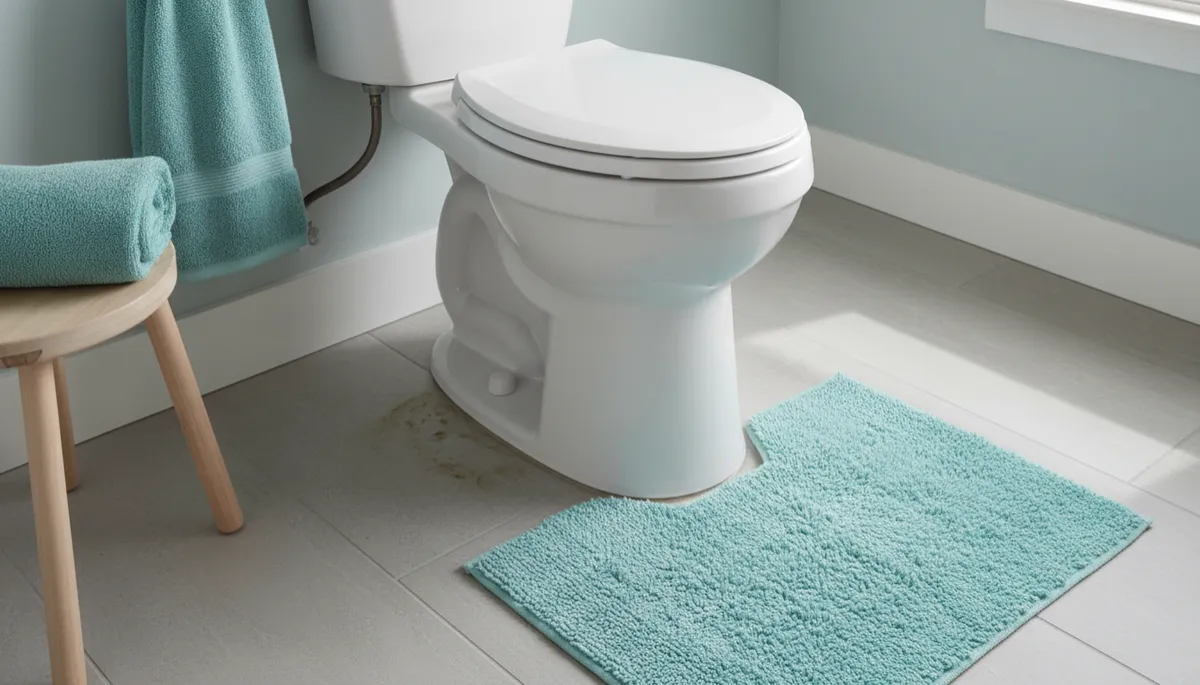
Subtle water damage near fixtures can be an early clue of drain line leaks.
Why Florida Homes Plumbing Pros Recommend Camera Inspections
Because the damage is hidden, guessing rarely works. Many Florida homes plumbing specialists now rely on high-resolution sewer cameras to see exactly what’s going on inside your cast iron pipes. During an inspection, a flexible camera is fed through a clean-out or drain opening and guided through the main sewer line, recording video as it goes.
This lets both you and the plumber see rust build-up, cracks, offsets, and areas where the pipe has actually rotted away. It’s a powerful way to separate minor issues from serious structural failure, and it helps you make informed decisions about repair or replacement. Many inspectors will also provide a copy of the recording, which can be helpful if you’re dealing with insurance or planning to sell your home.
From Jackhammers to Trenchless Repair: Your Modern Options
In the past, fixing failed cast iron meant one thing: tearing up floors and yards. Contractors would jackhammer through the slab, dig trenches inside your home, and replace the old pipe with PVC. While this traditional approach is still sometimes necessary, it’s disruptive, messy, and can add thousands of dollars in repair costs to put your house back together afterward.
Thankfully, today there are modern trenchless repair methods that can restore many failing sewer lines with far less disruption. These techniques are especially popular in Florida, where so many homes sit on concrete slabs and have limited access to the pipes beneath them.
Pipe Lining (CIPP)
One of the most common trenchless repair methods is called cured-in-place pipe (CIPP) lining. After cleaning the old cast iron, a flexible liner soaked in resin is inserted into the drain line and expanded. Once it cures, it forms a new, smooth pipe inside the old one. You essentially get a brand-new, seamless pipe without digging up your floors. This can be a great option when the original pipe is badly corroded but still mostly intact in shape.
Pipe Bursting
Another trenchless repair technique is pipe bursting. In this process, a new pipe is pulled through the old cast iron line while a special head breaks apart the existing pipe and pushes the fragments into the surrounding soil. This is often used for main sewer lines running from the house to the street or septic tank, especially when the old pipe is too damaged to line effectively.
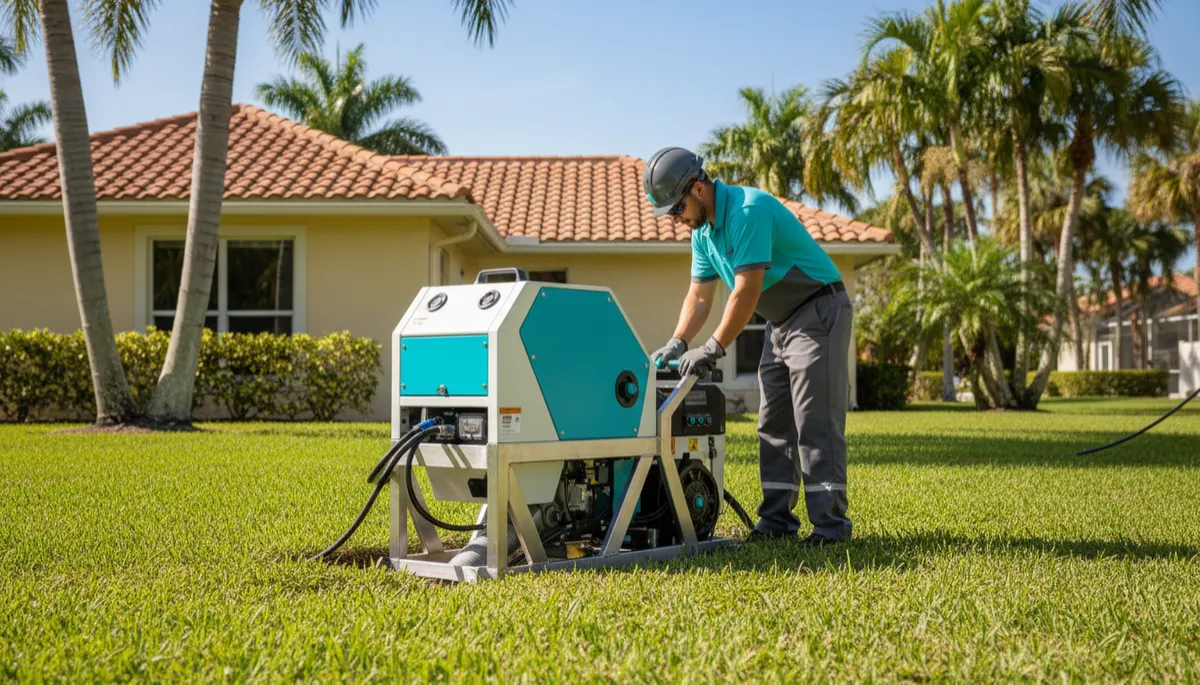
Trenchless repair methods can restore failing sewer lines with minimal digging or demolition.
Planning Ahead: Protecting Your Home and Your Budget
Discovering that your home has aging cast iron pipes can feel overwhelming, but you don’t have to tackle everything at once. A friendly, step-by-step approach can help you stay in control of both the work and the costs. Start with an honest assessment: a camera inspection and a written report from a trusted Florida homes plumbing specialist. From there, you can prioritize the most urgent sections of pipe and decide whether spot repairs, lining, or full replacement makes the most sense for your situation.
It’s also worth talking with your insurance agent and, if you have one, your home warranty provider. Some policies may offer limited coverage for sudden sewer pipe failure or water damage, while others specifically exclude cast iron issues. Knowing where you stand financially can help you plan smarter and avoid surprises. If you’re thinking about selling your home in the next few years, proactively addressing these pipes can also make your property more attractive and reduce the risk of last-minute negotiations or failed inspections.

A clear inspection and repair plan helps homeowners budget and avoid emergency surprises.
Final Thoughts: Don’t Wait for a Disaster to Act
The cast iron pipes under many pre-1975 Florida homes have served their time. With decades of rust, moisture, and wear behind them, they’re simply more likely to fail. Ignoring the warning signs can lead to messy sewer backups, structural damage, and costly emergency repairs. Taking a proactive, friendly approach—starting with a professional inspection and exploring options like trenchless repair—can save you money, protect your home, and give you peace of mind.
If you suspect your cast iron drains are nearing the end of their life, consider this your gentle nudge to look a little deeper. With modern Florida homes plumbing expertise and today’s less-invasive repair methods, you have more choices than ever before. A little attention now can keep your home comfortable, healthy, and ready for many more sunny Florida years to come.

Facebook
Instagram