
2026 Water Crisis: Impact on SW Florida Homes
Home, Water Shortage, Florida Water Pressure, Southwest Florida
How the 2026 Southwest Florida Water Shortage Affects Your Home’s Water Pressure
If you live in Southwest Florida and your shower suddenly feels more like a drizzle than a downpour, you’re not imagining it. The 2026 water shortage isn’t just something you hear about on the news—it can show up right at your faucets, sprinklers, and washing machine. Let’s walk through what’s going on, why your Florida water pressure might be changing, and what you can do to protect your home water supply while helping your community conserve water.
What’s Happening with the 2026 Southwest Florida Water Shortage?
Southwest Florida is in the middle of one of its most serious droughts in recent history. By spring 2026, much of the region fell under severe to extreme drought, and the Southwest Florida Water Management District (SWFWMD) declared a Modified Phase III “Extreme” Water Shortage from April 3 through July 1, 2026. This came after months of below-normal rainfall and a rainfall deficit of more than a foot in some areas, leaving rivers, lakes, and aquifers unusually low.
Reservoirs that help supply your home water, like the Peace River Manasota Regional reservoir serving parts of Sarasota, DeSoto, and Charlotte counties, have dropped to around 50% capacity—far below the 70–80% that’s typical this time of year. At the same time, aquifer levels in many parts of the district have fallen into the low teens by percentile, well below the healthy 25th–75th range. When the water in storage is this low, every gallon counts, and that’s where your home starts to feel the impact in the form of changing Florida water pressure and tighter water use rules.
📌 Key Takeaway: The 2026 water shortage in Southwest Florida isn’t just about lakes and reservoirs—it directly affects how much water can safely move through the system to your home.
How a Water Shortage Can Lower Your Home’s Water Pressure
To understand why your shower might feel weaker during a drought, it helps to picture your home water supply as part of a big, shared system. Even if you’re on a private well, you’re still tapping into the same stressed groundwater that utilities rely on. When a water shortage hits, several things can happen that affect your home’s water pressure:
Lower aquifer levels reduce natural pressure. Groundwater usually pushes up into wells and utility intakes under its own pressure. When drought pulls aquifer levels down, that “push” weakens, and it can take more effort to move water to your tap, especially in taller homes or neighborhoods at higher elevations.
Utilities may intentionally lower system pressure. During extreme drought and high demand, water utilities sometimes reduce system pressure slightly to cut down on leaks and slow overall use. In North Florida, Jacksonville’s utility has already warned customers that they may notice lower pressure during peak hours like 5–9 a.m. under drought conditions. Southwest Florida utilities can use similar strategies to protect limited supplies.
Peak demand periods stretch the system. When everyone waters their lawn, showers, and runs dishwashers at the same time—especially on the single allowed irrigation day—pipes and pumps have to work harder. In a water shortage, there’s less buffer in the system, so you may notice short-term drops in water pressure at busy times of day.
You might not see headlines that say “Southwest Florida homes lose water pressure,” but the ingredients are all there: low reservoirs, stressed aquifers, and strict restrictions. Even small adjustments by utilities or shifts in demand can show up in your kitchen sink or bathroom as lower or fluctuating pressure.
Drought Effects You Might Notice Around Your Home
The 2026 drought comes with a long list of official rules and numbers, but at home it often shows up in simple, everyday ways. Here are some common drought effects Southwest Florida residents may experience in their home water supply and pressure:
Weaker showers at busy times. If your shower feels strong late at night but wimpy around 7 a.m., you may be competing with your neighbors for limited pressure during peak use hours, especially on irrigation days.
Sprinklers that barely reach. Outdoor irrigation can be one of the first places you notice Florida water pressure changes. Spray heads may not rise fully, or the water might not reach as far as it used to, especially if your system is older or has small leaks.
Appliances taking longer to fill. Washing machines, dishwashers, and even toilet tanks may take more time to fill if pressure is lower than normal. You might hear them running longer or cycling differently.
Well pumps cycling more often. If you’re on a private well, falling groundwater levels can make your pump work harder and run more frequently. In some cases, you might even see air spurting from faucets if water levels dip near the pump intake.
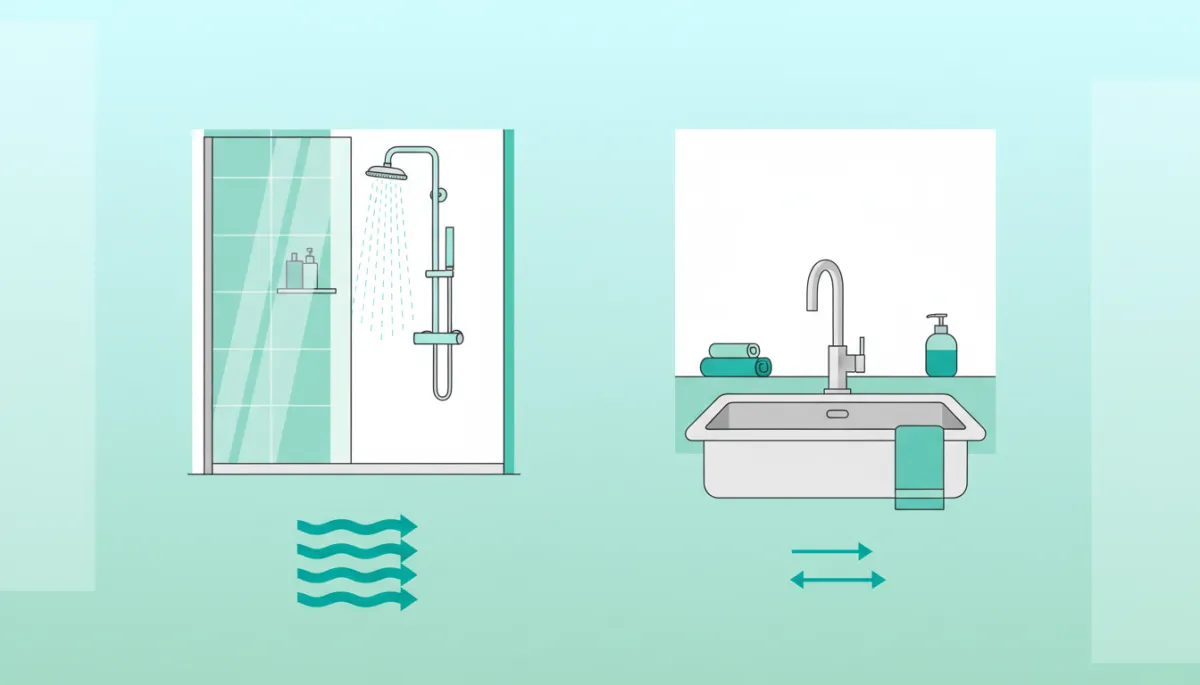
Subtle drops in pressure often show up first in showers, sinks, and sprinklers.
Don’t Forget the Basics: Could It Be Your Plumbing, Too?
While the 2026 Southwest Florida water shortage can absolutely influence your home’s water pressure, it’s not the only possible culprit. Florida homes—especially older ones or houses with hard water—are already prone to pressure issues. Before you blame everything on the drought, it’s smart to rule out a few common home plumbing problems that can make drought-related drops feel even worse:
Clogged aerators and showerheads. Mineral buildup from Florida’s hard water can narrow openings and reduce flow. Unscrew aerators and showerheads and soak them in vinegar to see if that helps restore pressure.
Partially closed shutoff valves. Make sure the main shutoff valve to your home and the valves under sinks and behind toilets are fully open. A valve that’s only halfway open can mimic drought effects inside your home water supply.
A failing pressure regulator. Many Florida homes have a pressure-reducing valve (PRV) where the main line enters the house. If it’s failing, you may see inconsistent or low pressure, regardless of what’s happening outside.
💡 Pro Tip: If your neighbors aren’t noticing any change in pressure but you are, start by checking your own plumbing. If the whole street is seeing weaker flow, the water shortage and system-wide changes are more likely to be the cause.
How Official Water Restrictions Tie into Your Water Pressure
During this 2026 drought, Southwest Florida is under some of the tightest water rules in years. The Modified Phase III “Extreme” Water Shortage means most homes are limited to one day per week of lawn irrigation, and only during specific night or early morning hours—typically between 12:01 a.m. and 4:00 a.m., or 8:00 p.m. to 11:59 p.m., depending on your property size and address. Decorative fountains, car washing, and pressure washing are also heavily restricted, and restaurants are urged to serve water only on request.
These rules aren’t just about saving water in a general sense. By spreading out demand and cutting back on big outdoor uses, they help utilities maintain more stable system pressure and keep enough water in storage to serve essential needs—like drinking, cooking, and sanitation. When everyone waters less and at off-peak times, the system doesn’t have to push as hard, which reduces the risk of sudden pressure drops or, in worst-case scenarios, service interruptions.
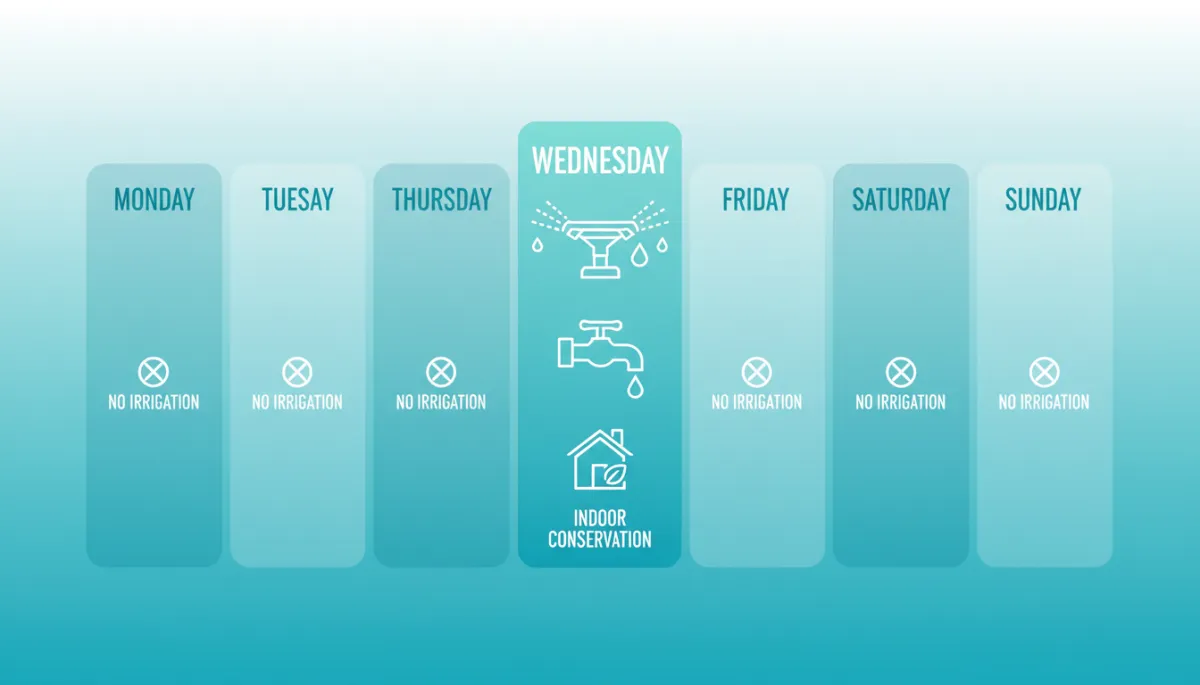
Following watering schedules eases pressure on the system and helps keep taps flowing.
Practical Water Conservation Tips That Also Protect Your Home Water Pressure
The good news is that many of the best water conservation tips for Southwest Florida also help your home maintain more consistent water pressure. When you and your neighbors use less water—especially at the same time—you ease the strain on the system. Here are friendly, realistic ways to cut back without turning your life upside down.
1. Tackle Indoor Leaks and Inefficiencies First
Fix dripping faucets and running toilets. A single dripping faucet can waste up to 20 gallons a day, and a leaky toilet can quietly spill hundreds of gallons every month. In a water shortage, that’s water that could be helping maintain pressure across your neighborhood instead of disappearing down the drain.
Run full loads only. Wait until your dishwasher and washing machine are full before you hit start. Modern Energy Star appliances use far less water per load, and combining loads cuts down on how often you pull heavily on your home water supply.
Upgrade to low-flow fixtures. WaterSense-labeled showerheads, faucets, and toilets can reduce indoor use by 20–30% without sacrificing comfort. Many Florida counties and cities, especially in drought-prone areas, offer rebates for these upgrades, making it easier on your wallet to be water-smart.
2. Be Strategic with Outdoor Water Use
Follow your assigned watering day and hours. Watering only when allowed doesn’t just help avoid fines—it keeps peak demand from spiking so high that it drags down Florida water pressure for everyone on your block.
Check your sprinkler system for leaks. A broken or misaligned sprinkler head can waste thousands of gallons over a season. Look for soggy spots, geysers, or heads that spray sidewalks instead of plants. Fixing these issues saves water and helps your system work better at lower pressure.
Switch to smarter irrigation. Consider drip or microirrigation for garden beds and foundation plants. These systems work well even when overall pressure isn’t ideal, and they deliver water directly to roots, which is especially important during drought effects like crispy lawns and stressed shrubs.
3. Rethink Your Landscape for a Drier Future
Traditional, thirsty turf lawns are tough to maintain in Southwest Florida when water is plentiful—during a water shortage, they’re even more challenging. Shifting your yard toward a more drought-tolerant design is one of the most powerful long-term water conservation tips you can act on:
Replace some turf with native plants that thrive in local conditions and need less irrigation overall.
Add mulch around trees and shrubs to hold moisture, reduce evaporation, and protect roots from extreme heat and dry spells.
Use rain barrels or cisterns to capture what little rain does fall. Even during drought, occasional storms can give you a small, free supply for plants without pulling from your home water supply.
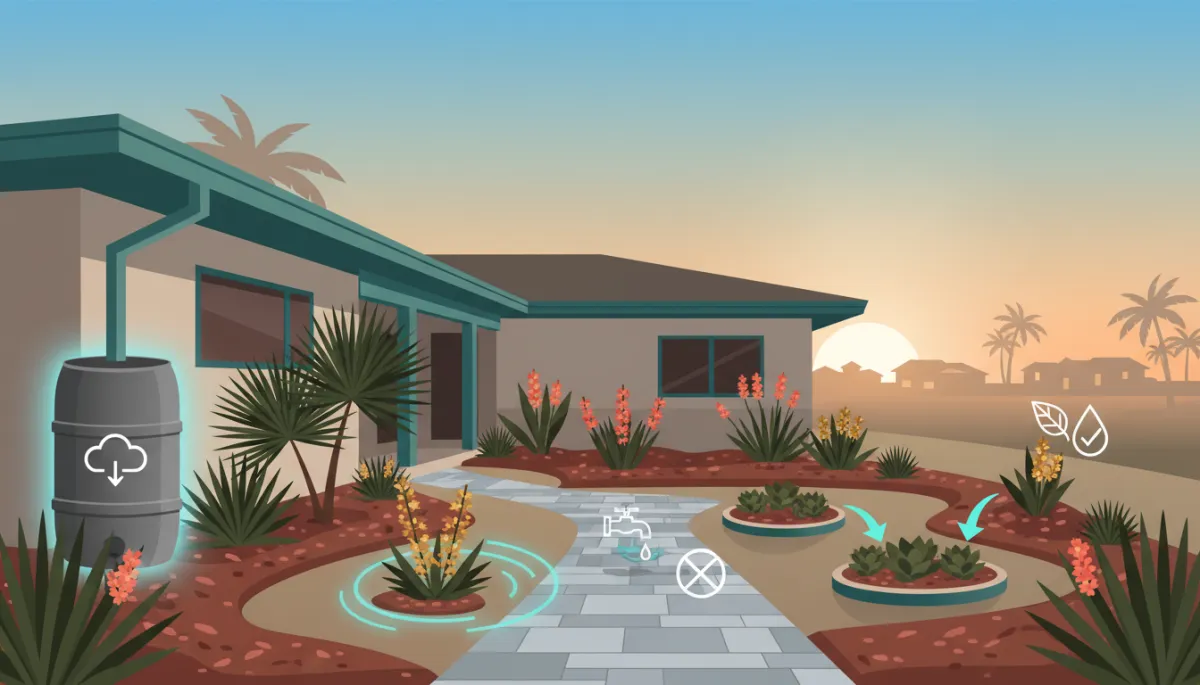
Smarter landscapes need less water, easing pressure on both your yard and local supplies.
Simple Habits to Keep Your Home Comfortable During the Water Shortage
Beyond big changes and upgrades, small everyday habits can make living through the 2026 Southwest Florida water shortage a lot easier on you—and on your plumbing. These friendly tweaks help smooth out demand and support more stable water pressure in your home:
Stagger water-heavy tasks. Instead of showering while the dishwasher and washing machine are running, spread those tasks out. This keeps your home’s internal demand from peaking all at once and helps your pressure stay steadier.
Take slightly shorter showers. Even trimming a few minutes off each shower can save dozens of gallons a week. During a drought, that’s a meaningful contribution to your community’s overall home water supply.
Turn off the tap while brushing or shaving. It’s a classic tip for a reason—those little streams add up fast, especially across thousands of homes in Southwest Florida.
📌 Key Takeaway: Every gallon you don’t use is a gallon that stays in the system helping maintain pressure for you and your neighbors—especially during those hot, dry weeks when demand spikes.
When to Call Your Utility or a Plumber about Water Pressure
Not every change in water pressure is an emergency, but some are worth a closer look. During a water shortage, it’s especially important to understand what’s “normal drought behavior” and what might signal a problem with your home water supply or the wider system.
Call your water utility if: you notice a sudden, dramatic drop in pressure across all faucets; your water becomes discolored; or your entire neighborhood seems affected. They can tell you if there’s a main break, planned pressure adjustment, or other system issue related to the drought effects.
Call a licensed plumber if: the problem seems limited to your home, certain fixtures, or one side of the house. A pro can check your pressure regulator, look for hidden leaks, and make sure your plumbing is in good shape to handle the ups and downs that sometimes come with a water shortage.
Looking Ahead: Building a More Resilient Home Water Supply in Southwest Florida
The 2026 Southwest Florida water shortage is a powerful reminder that our home water supply isn’t guaranteed to behave the same way year after year. Drought effects, growing populations, and changing weather patterns all influence how much water is available—and how much pressure is behind it when you turn on the tap. But you’re not powerless in the face of these changes.
By paying attention to your Florida water pressure, staying informed about local restrictions, and putting practical water conservation tips into action, you’re doing more than just getting through a dry spell. You’re helping make sure that Southwest Florida has enough water—and enough pressure—to serve homes, businesses, and natural ecosystems well into the future. Small choices in your bathroom, kitchen, and yard truly add up when thousands of neighbors are doing the same thing.
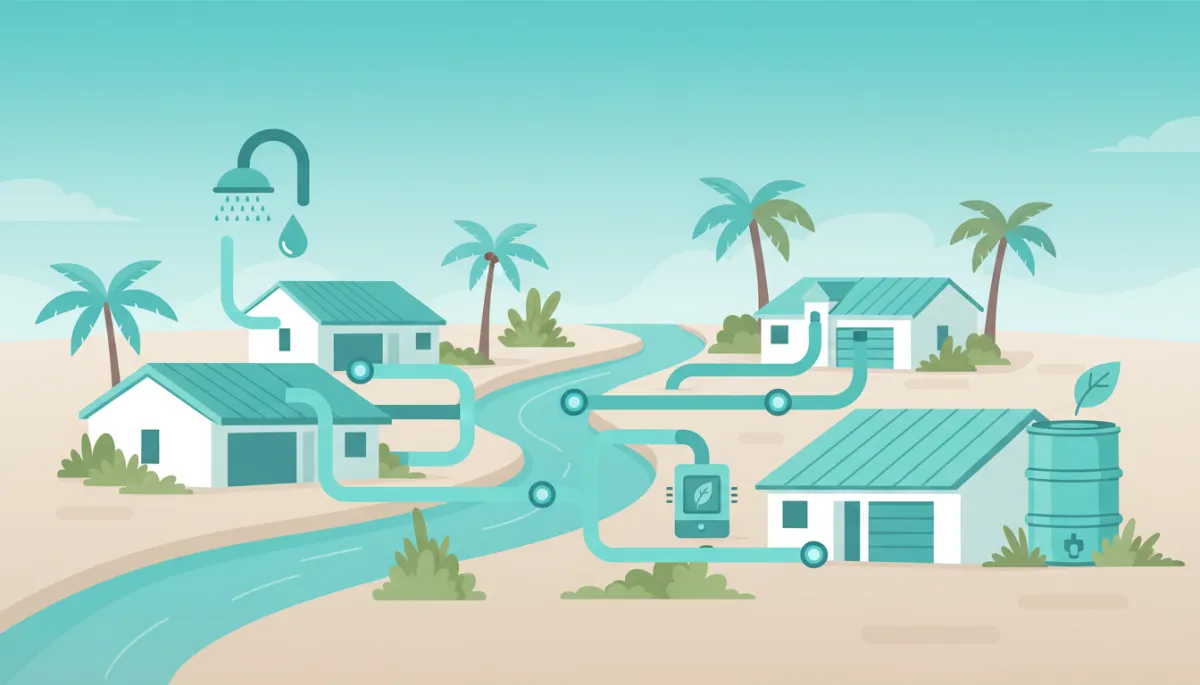
When whole neighborhoods conserve, water pressure stays steadier and supplies last longer.
So the next time your shower feels a little weaker or your sprinklers don’t quite reach the sidewalk, remember: it’s not just an inconvenience. It’s a sign of a bigger story playing out across Southwest Florida—and an invitation to be part of the solution, one drop at a time.
Ready to protect your home and keep your water pressure steady? Don’t wait for a trickle to turn into a real problem—schedule a visit with our Southwest Florida plumbing team today. We’ll inspect your system, check your pressure, and help you make smart, drought‑ready upgrades so your home stays comfortable no matter what the forecast looks like.

Facebook
Instagram